
⚠️ This page connects you to Atovia’s partners and affiliate markets. We may receive a commission from affiliate partners for activities made through these links. Discount offers may change at any time according to policy! Rest assured, there are no additional costs to you! We hope this saves you time in finding the right items!
Movie producers make money mainly in three ways: producer fees paid out of the production budget, backend profit participation that pays only after a film recoups its costs, and income tied to owning or controlling the film’s rights. Fees are the reliable paycheck. Backend and rights income are the speculative upside, and they can take years to arrive, if they arrive at all.
- How Movie Producers Make Money: The Short Answer
- What a Movie Producer Actually Does (and Why It Affects Pay)
- Producer Fees: The Guaranteed Paycheck
- Backend Profit Participation: Where the Big Money Is
- Box Office Revenue and Why Producers Don’t Keep Most of It
- Streaming Deals, Licensing, and Pre-Sales
- Home Entertainment, TV Rights, and Long-Tail Revenue
- Merchandising, Sequels, and Franchise Income
- Tax Incentives, Rebates, and Smart Financing
- Indie Producers vs. Studio Producers: Income Compared
- Checklist: How a Producer Deal Gets Structured
- Common Mistakes That Cost Producers Money
- FAQ: How Much Do Producers Earn and When Do They Get Paid?
- Final Takeaways
- Producer fees are the most dependable income because they come out of the budget during production.
- Backend profit shares pay only after a film recoups its costs, and many contract definitions of “net profit” are hard to meet.
- Owning or controlling rights to a film, a sequel, or a franchise is often worth more than any single fee.
- Pre-sales, streaming deals, and tax incentives mostly help finance a film rather than pay the producer directly.
- There is no reliable average producer income. Results range from very little on some independent films to very large payouts on hit franchises.
How Movie Producers Make Money: The Short Answer
A producer’s income usually comes from a mix of sources that arrive at different times. The first is a producer fee, which is built into the budget and paid in installments. The second is a share of profits, often called the backend. The third is company-level income, such as an overhead deal or a first-look deal with a studio, plus any ownership stake in the film or its rights.
A quick glossary helps before going further. A producer fee is a negotiated payment for producing services. Backend is money paid after a film earns enough to cover costs. A first-look deal gives a studio the first chance to take on a producer’s projects, often with some funding for the producer’s company.
| Revenue Source | Who Pays | When It Arrives | How Reliable |
|---|---|---|---|
| Producer fee | Production budget (financiers, studio) | In installments during development, production, and delivery | High, once the film is financed and moving |
| Backend profit participation | Studio or distributor, after the waterfall | Often years after release, through accounting statements | Low to uncertain |
| Overhead or first-look deal | Studio or financier | Ongoing, tied to the deal term | Moderate, depends on the deal |
| Rights, sequel, and franchise income | Studio, distributors, licensees | Over many years | Uncertain, but potentially the largest |

What a Movie Producer Actually Does (and Why It Affects Pay)
Producers find or develop the project, assemble the financing, hire key people, manage the budget and schedule, and see the film through delivery and release. Because the job covers so much ground, the title splits into several credits, and each one pays differently.
- Producer: usually leads the project and carries the most responsibility and potential upside.
- Executive producer: often connected to financing, rights, or a major creative or business relationship.
- Co-producer: typically a supporting role with a smaller fee and smaller participation.
- Line producer: manages day-to-day budget and logistics, and is usually paid a fee or weekly rate rather than profit participation.

The Producers Guild of America uses the “p.g.a.” mark to identify producers who did a substantial share of the producing work on a film. The credit a person holds shapes both the fee they can ask for and the backend they can negotiate.
Producer Fees: The Guaranteed Paycheck
The producer fee is the most predictable part of a producer’s income. It is set in the budget and is usually paid in stages tied to development, pre-production, production, and delivery. The size of the fee varies widely with the film’s budget, the producer’s track record, and the type of deal. It is often a modest percentage of the budget, and on very small films it may be deferred, meaning it is paid only if money becomes available later.

Example: A producer on a small independent drama might receive part of the fee when financing closes, part during the shoot, and the remainder when the film is delivered to the distributor. If the film never gets finished, the later installments may never be paid.
Backend Profit Participation: Where the Big Money Is
Backend is where producers can earn well beyond their fees, but it is also where many are disappointed. Payments depend on a “waterfall,” which is the order in which incoming revenue is distributed. Profit participants are paid near the end.

- Revenue comes in from theaters, streaming, licensing, and other sources.
- Distribution fees and recouped marketing and distribution expenses come out first.
- Financing costs and investor returns are paid next.
- Only what remains counts as profit that participants can share.
Contract definitions matter enormously. A share of “net profits” can be worth little or nothing because of the costs and fees deducted before profit is declared. Studio accounting practices, often called “Hollywood accounting,” have been widely reported and litigated. Producers who negotiate a share of “adjusted gross” or a clearly defined, more favorable formula are generally in a stronger position than those holding a vague net-profit share.

Box Office Revenue and Why Producers Don’t Keep Most of It
When a ticket is sold, theaters keep a large share. On average, roughly half of domestic ticket sales go to the studio or distributor, though the split varies by film, release week, and country, and some territories differ sharply. This is an approximate figure, not a fixed rule.
The producer sees only a fraction of that studio share, and only after distribution fees, marketing costs, financing repayments, and investor returns are covered. A film can earn a large box office total and still leave little profit for participants once those layers are paid.

Streaming Deals, Licensing, and Pre-Sales
Streaming has changed how many films are financed and sold. Platforms either license existing films or commission originals. Two terms are worth knowing. A buyout is a flat payment in exchange for the rights, which usually means little or no backend for the producer. A pre-sale is the sale of distribution rights in specific territories before the film is made, and it is used to help finance independent films.
- Commissioned originals: the platform often owns the rights, and producers are typically paid through fees and sometimes a premium over the budget.
- Licensing deals: a platform pays to stream a finished film for a set period, creating predictable but limited income.
- Foreign pre-sales: sold at markets such as Cannes, the American Film Market, and Berlin, these provide upfront money that lenders and investors can count on.
🛒 Recommended Product
Home Entertainment, TV Rights, and Long-Tail Revenue
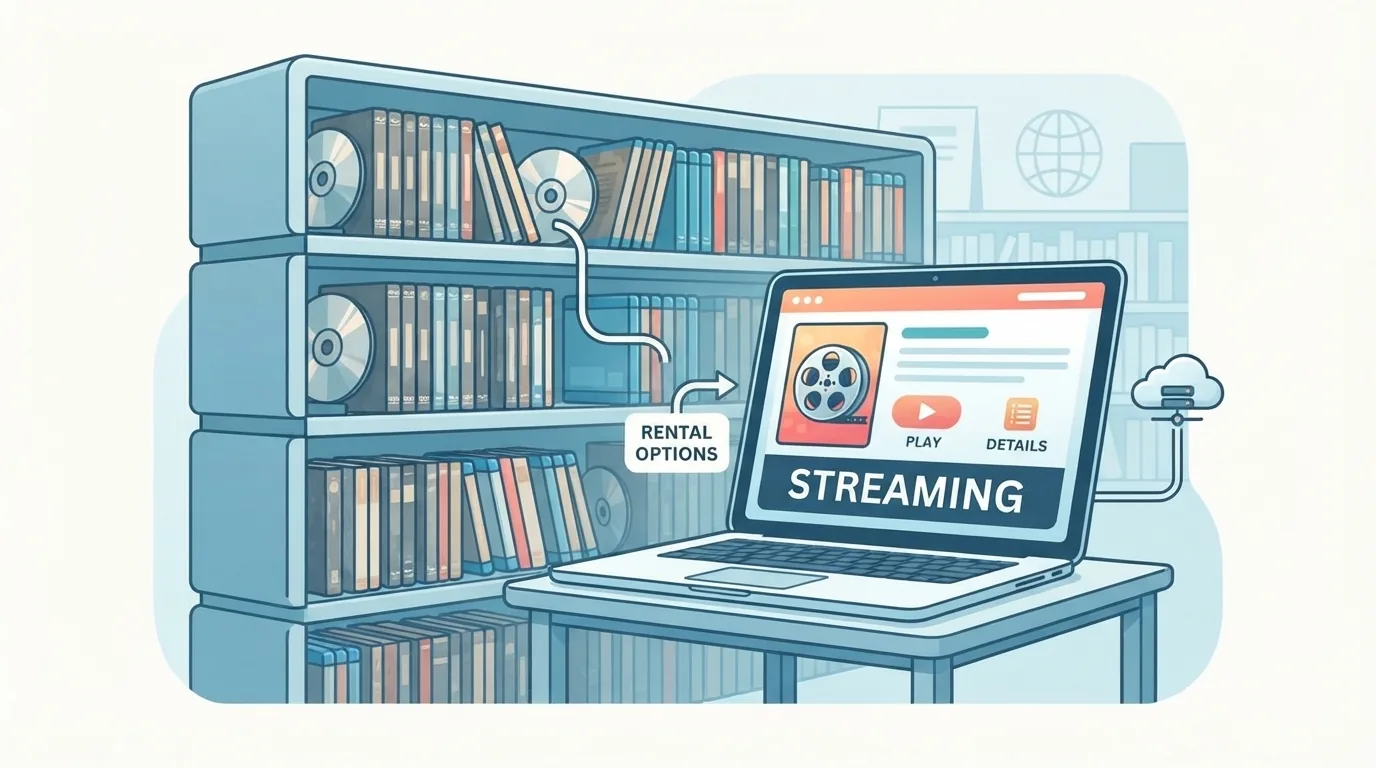
Physical home entertainment has declined sharply, but films still earn after their theatrical or streaming debut. Revenue now comes from digital rental and purchase, television and cable licensing windows, and library licensing, where older titles are licensed to networks and platforms for years.
This long tail is valuable mainly to whoever owns or controls the rights. A producer with an ownership stake or a well-defined backend can keep earning from a film long after it leaves theaters, while a producer who sold out through a buyout generally cannot.
Merchandising, Sequels, and Franchise Income
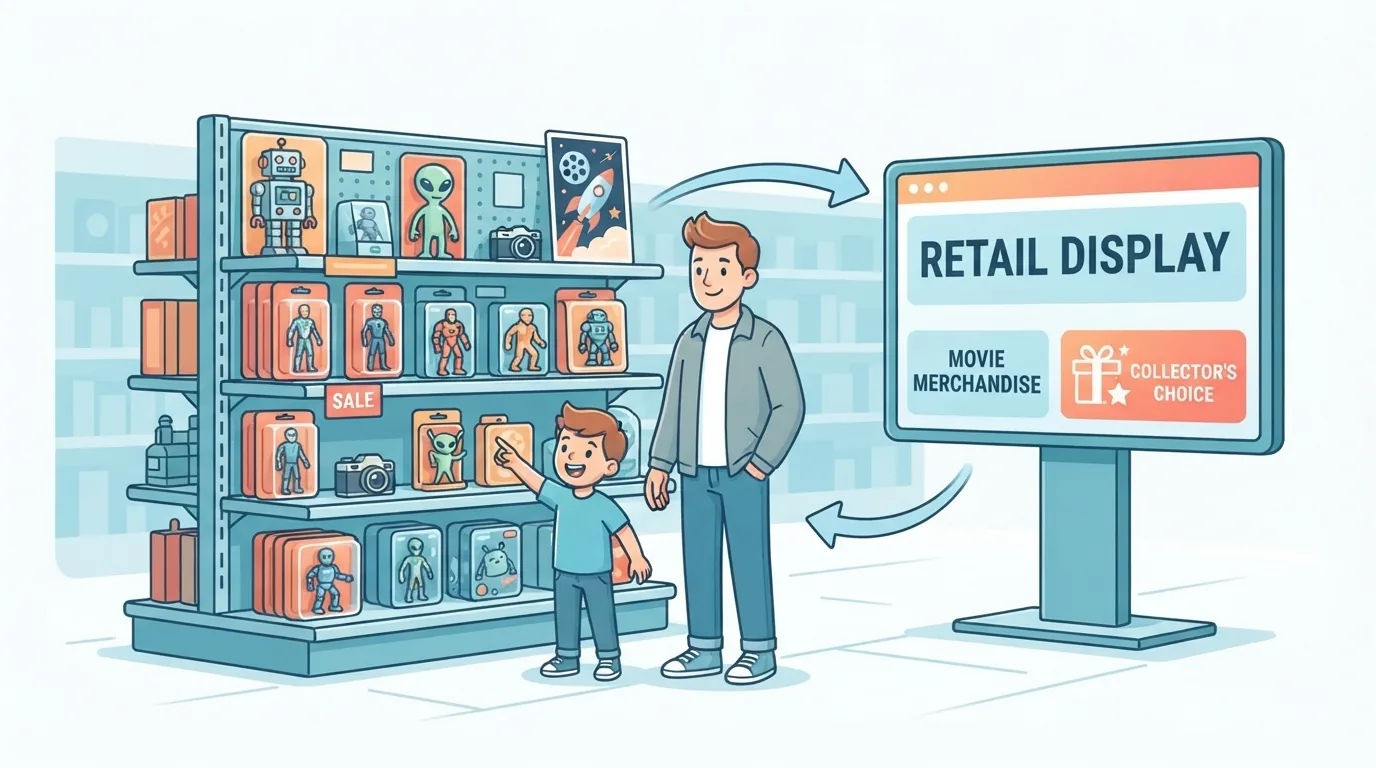
Merchandising, sequels, spin-offs, and other franchise income typically go to whoever owns or controls the underlying rights, which is often the studio. A producer shares in this only if they negotiated a participation or if they hold the underlying rights themselves, such as the rights to a book or original concept.
This is why rights ownership is one of the most important points in any producer deal. A producer attached to a successful first film may be paid again for sequels through fees, producer credits, or a negotiated share, but only if those terms were secured up front.
Tax Incentives, Rebates, and Smart Financing
Many U.S. states and countries offer production incentives such as tax credits, rebates, and grants. These do not pay the producer directly. Instead, they reduce the net cost of making the film, which makes financing easier and raises the chance that the project recoups its costs.
Many programs return a meaningful share of qualified local spending, but rates, caps, and rules change frequently. Always confirm current terms with the official film office of the state or country where you plan to shoot.
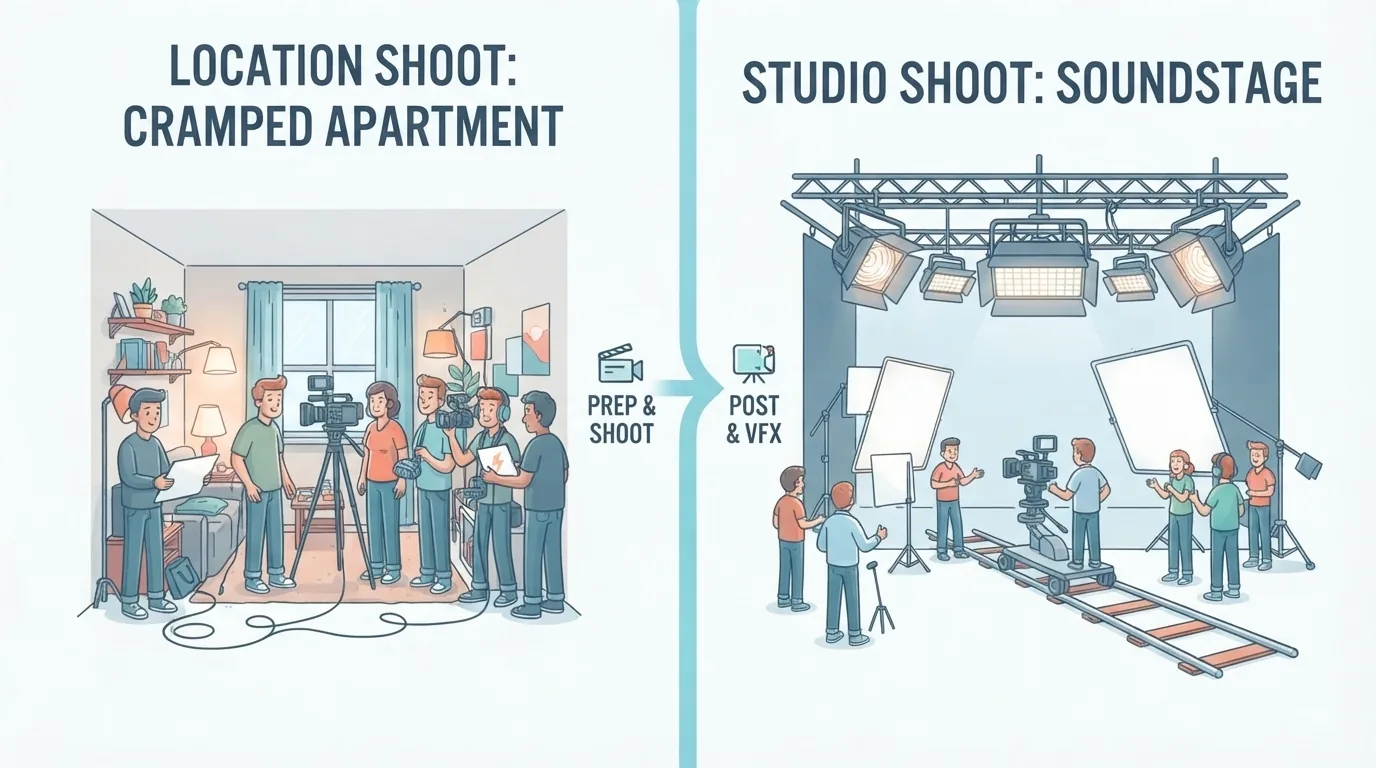
Example: An independent producer might combine foreign pre-sales, an equity investor, and a local rebate to assemble a budget, then use the producer fee and a negotiated backend as personal income.
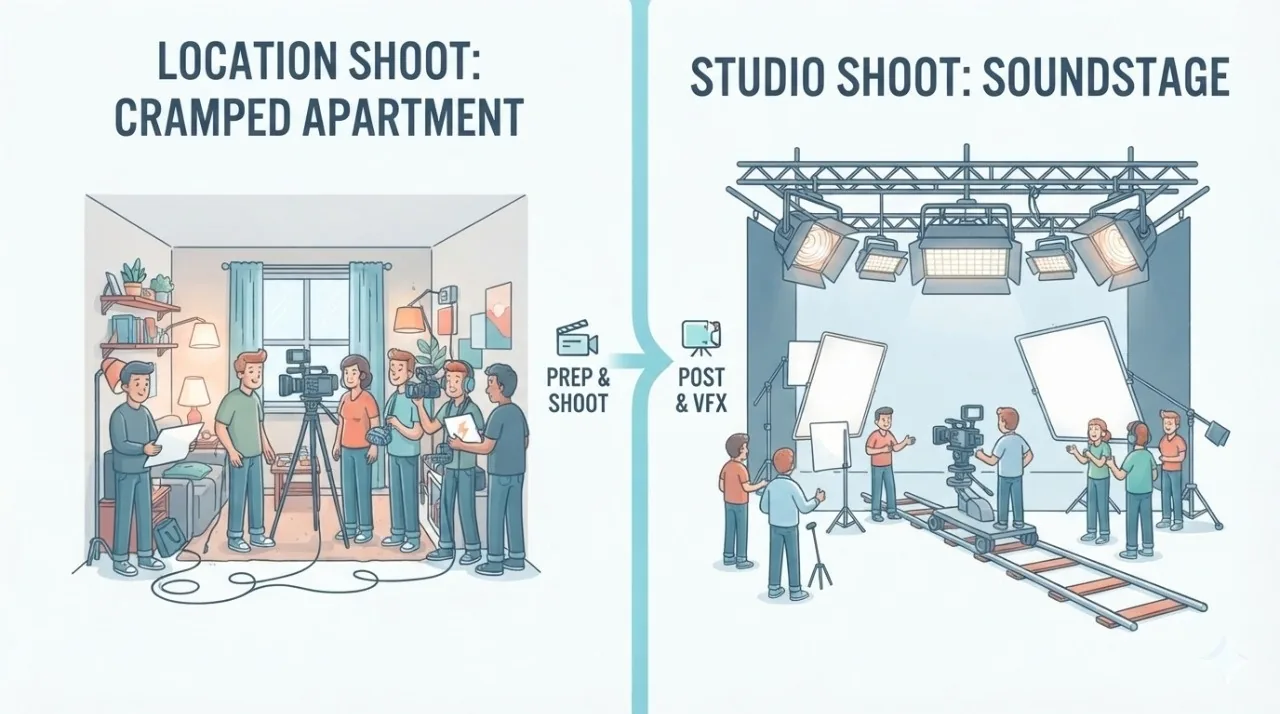
Indie Producers vs. Studio Producers: Income Compared
| Factor | Independent Producer | Studio-Affiliated Producer |
|---|---|---|
| Main income | Producer fees, pre-sale and incentive-supported financing, company ownership | Overhead or first-look deals, salaries, franchise participation |
| Financing role | Often assembles money from multiple sources | Studio typically funds and controls the process |
| Rights ownership | More likely to retain a stake if negotiated | Studio usually owns the rights |
| Income stability | Uneven, can be little or nothing on some films | More stable while the deal lasts |
| Upside | High if the producer owns rights and the film succeeds | Large on hit franchises with negotiated participation |
Checklist: How a Producer Deal Gets Structured
- Credit and role: confirm the exact credit, since it affects fee and participation.
- Fee and payment schedule: define the amount and the milestones that trigger each installment.
- Backend definition: state exactly how profit is calculated, not just “net profits.”
- Audit rights: secure the right to review the accounting statements.
- Rights ownership: clarify who owns the film, the underlying material, and ancillary rights.
- Sequel and franchise participation: negotiate involvement and payment for follow-ups and spin-offs.
- Delivery milestones: understand what must be finished and approved before final payments are released.
Common Mistakes That Cost Producers Money
- Accepting vague net-profit terms: a share of an undefined “net” can end up worth nothing.
- Skipping audit rights: without them, a producer cannot verify what was deducted.
- Giving up rights too cheaply: selling sequel or ancillary rights in a buyout removes the long-term upside.
- Underbudgeting the producer fee: leaving the fee too low or deferring it can leave the producer unpaid for months of work.
- Counting on backend as income: backend is never guaranteed, so plan finances around fees.
FAQ: How Much Do Producers Earn and When Do They Get Paid?
How much do movie producers earn?
There is no reliable average. Some producers earn little or nothing on small independent films, while others earn very large amounts from hit films and franchises. Income depends on the budget, the deal, the credit, and whether the producer holds backend or rights.
When do producers get paid?
Producer fees are paid during development, production, and delivery. Backend payments usually come years after release, through periodic accounting statements, and may never come if the film does not recoup its costs.

Do producers get a percentage of the box office?
Not directly. Theaters and the studio take their shares first, and the producer is paid from what remains after fees, costs, and financing are covered, according to the terms of their contract.
Is backend profit guaranteed?
No. It depends on the film earning enough to clear the waterfall and on how the contract defines profit.

Do streaming films pay producers differently?
Often yes. Streaming originals and buyouts usually pay through fees and sometimes a premium over budget, with little or no traditional backend.
Final Takeaways
Movie producers earn through three layers: fees that pay during production, backend that may pay years later, and rights or company income that can build lasting value. Fees are the guaranteed part. Backend and rights are speculative, and their value depends on how carefully the contract is written. Before signing any producer deal, define the profit formula, secure audit rights, and be clear about who owns what.
References
- Producers Guild of America, information on producer credits and the “p.g.a.” mark
- Motion Picture Association, industry background on film distribution and revenue windows
- Official state and national film office websites, for current production incentive rules
- Trade reporting from Variety, The Hollywood Reporter, and Deadline on film financing, streaming deals, and studio accounting disputes
Want more comparisons and buying guides?