⚠️ This page connects you to Atovia’s partners and affiliate markets. We may receive a commission from affiliate partners for activities made through these links. Discount offers may change at any time according to policy! Rest assured, there are no additional costs to you! We hope this saves you time in finding the right items!
- 1. Check Battery Health and Degradation History
- 2. Understand Real-World Range vs. EPA Estimates
- 3. Verify Charging Compatibility and Home Setup Costs
- 4. Review Available Tax Credits and Incentives
- 5. Inspect Warranty Coverage for Battery and Drivetrain
- 6. Research Public Charging Network Access
- 7. Calculate Total Cost of Ownership Over 5 Years
Electric vehicles are no longer a niche purchase—but buying the wrong one can cost you thousands in hidden expenses and missed incentives. This guide walks you through 7 essential checks every buyer must make before signing, from battery health to charging infrastructure, so you can drive away with confidence.
- Battery degradation directly impacts long-term range and resale value—always request a health report.
- EPA range estimates can differ significantly from real-world driving conditions.
- Home charging setup can add $500–$2,000 to your upfront costs depending on your electrical panel.
- Federal tax credits up to $7,500 are available but subject to income and vehicle eligibility rules.
- A strong battery warranty (8 years/100,000 miles is standard) is your most important safety net.
- Public charging network coverage varies widely by region—check before you commit.
- Total cost of ownership often favors EVs over gas vehicles when calculated across 5 years.
1. Check Battery Health and Degradation History
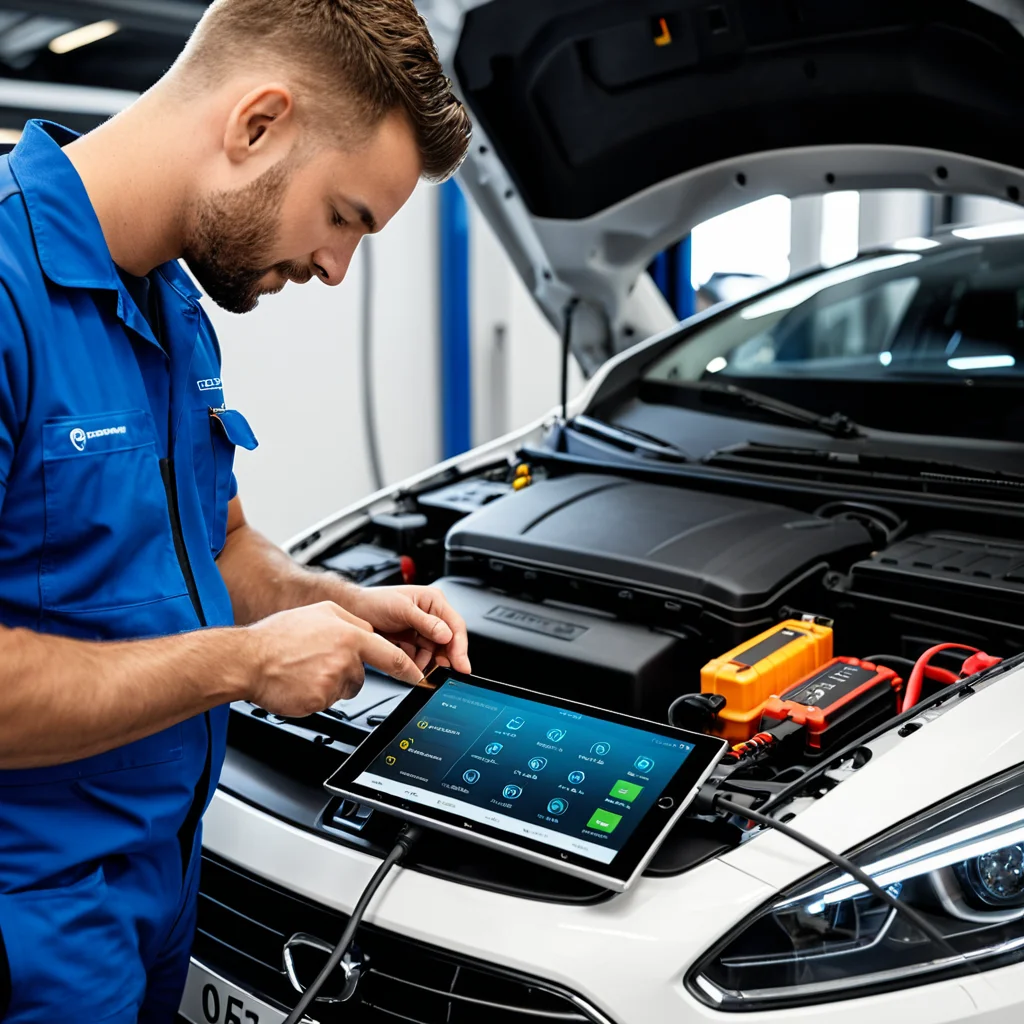
The battery is the most expensive component in any electric vehicle, often accounting for 30–50% of the car’s total value. Before purchasing—especially a used EV—you need to know how much capacity the battery has lost since it left the factory. A new EV battery is rated at 100% capacity, but after years of charge cycles, extreme temperatures, and fast charging, that number degrades. Most manufacturers consider anything above 70–80% acceptable, but you should aim for 85% or higher when buying used.
Ask the seller or dealer for a battery health report. Many EVs, including those from Tesla, Nissan, and Chevrolet, allow technicians or third-party apps to read the battery’s state of health (SoH) directly. For Nissan Leaf owners, tools like Leaf Spy are widely used. Tesla vehicles display battery degradation through their onboard diagnostics. If the seller cannot or will not provide this data, treat it as a red flag.
Also ask about the vehicle’s charging history. A car that was regularly charged to 100% and frequently used DC fast charging will likely show more degradation than one charged conservatively to 80% using Level 2 home charging. Charging habits matter as much as mileage when it comes to battery longevity.
| Battery Health Level | Remaining Capacity | Buyer Recommendation |
|---|---|---|
| Excellent | 90–100% | Buy with confidence |
| Good | 80–89% | Acceptable; negotiate price |
| Fair | 70–79% | Proceed with caution |
| Poor | Below 70% | Avoid or expect replacement costs |
2. Understand Real-World Range vs. EPA Estimates
Every EV sold in the United States carries an EPA-estimated range on its window sticker, but that number is generated under controlled laboratory conditions. Real-world range can fall 10–30% short of the EPA figure depending on how, where, and when you drive. This gap is one of the most common surprises for first-time EV buyers.
Cold weather is the single biggest range killer. Lithium-ion batteries lose efficiency in low temperatures, and running the cabin heater draws power directly from the main battery pack rather than waste engine heat like a gas car. In freezing conditions, some EVs lose up to 40% of their rated range. If you live in a cold climate, factor this heavily into your decision.
Highway driving at speeds above 65 mph also significantly reduces range compared to city driving, which is the opposite of what gas car owners expect. Aerodynamic drag increases exponentially with speed, meaning an EV rated for 300 miles of city range might deliver only 220–240 miles on an interstate road trip. Use tools like the EPA’s fueleconomy.gov range estimator and third-party real-world databases such as Edmunds EV range testing to compare models under conditions similar to your actual driving habits.
| Driving Condition | Expected Range Impact | Tips to Minimize Loss |
|---|---|---|
| Cold weather (below 32°F) | –20% to –40% | Pre-condition cabin while plugged in |
| Highway speeds (75+ mph) | –15% to –25% | Set cruise control at 65 mph |
| Heavy AC use | –5% to –10% | Use seat cooling instead of full AC |
| City stop-and-go | +5% to +15% vs. EPA | Maximize regenerative braking |
3. Verify Charging Compatibility and Home Setup Costs
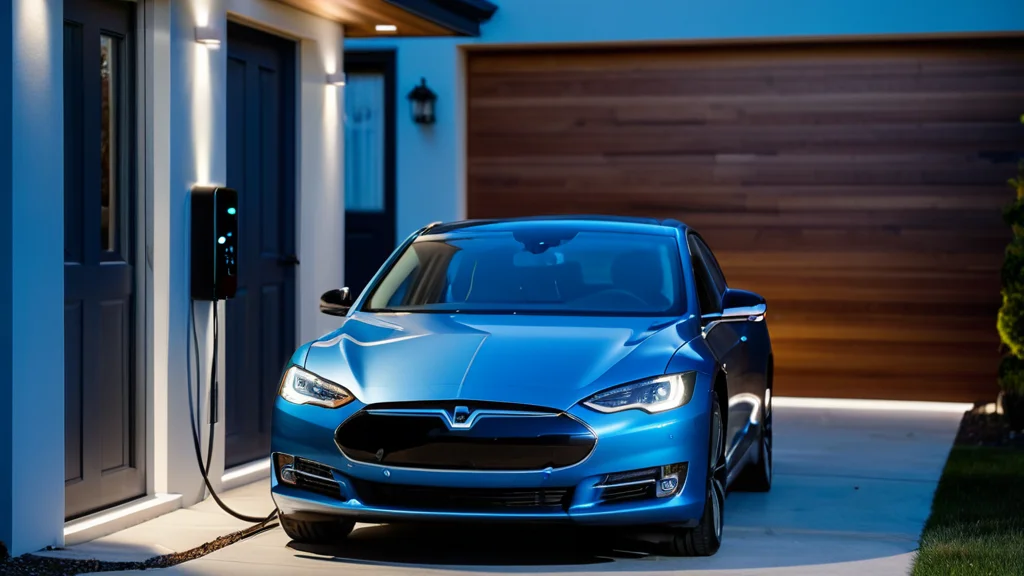
One of the most overlooked costs in EV ownership is setting up home charging. While every EV comes with a portable Level 1 charger that plugs into a standard 120V outlet, this method adds only 3–5 miles of range per hour—far too slow for daily use. Most EV owners install a Level 2 charger (240V) at home, which delivers 20–30 miles of range per hour and can fully charge most vehicles overnight.
The cost of a Level 2 home charger installation varies widely. The charger unit itself typically runs $300–$800, but the electrician’s labor, a potential panel upgrade, and permit fees can push the total to $1,500–$2,500. If your home’s electrical panel is older or already at capacity, a panel upgrade alone can cost $1,500–$3,000. Get at least two quotes from licensed electricians before budgeting.
Also verify the connector standard your target vehicle uses. Since 2023, most major automakers have adopted Tesla’s NACS (North American Charging Standard) connector, which gives access to Tesla’s extensive Supercharger network. Older vehicles may use the CCS (Combined Charging System) connector and require an adapter to use NACS stations. Confirm compatibility before assuming you have access to every fast-charging network in your area.
🛒 Recommended Product
4. Review Available Tax Credits and Incentives
The federal government offers a clean vehicle tax credit of up to $7,500 for new EVs and up to $4,000 for qualifying used EVs under the Inflation Reduction Act. However, not every buyer or vehicle qualifies, and the rules have grown more complex in recent years. Missing an incentive you were eligible for—or assuming one you are not—can throw your budget off by thousands of dollars.
For new EVs, the credit is subject to income caps: $150,000 for single filers, $225,000 for heads of household, and $300,000 for joint filers. The vehicle must also meet North American assembly requirements and battery component sourcing rules that change annually. Not all EV models qualify—check the IRS’s official list at irs.gov before assuming your chosen model is eligible.
Starting in 2024, buyers can transfer the credit directly to the dealer at point of sale, effectively reducing the purchase price upfront rather than waiting until tax filing season. State and local incentives add another layer—many states offer rebates of $1,000–$5,000, and some utilities provide additional credits for home charger installation. Stack every incentive you can find using resources like the Department of Energy’s afdc.energy.gov incentive finder.
| Incentive Type | Maximum Amount | Where to Check |
|---|---|---|
| Federal new EV credit | $7,500 | irs.gov |
| Federal used EV credit | $4,000 | irs.gov |
| State rebates (varies) | $1,000–$5,000 | afdc.energy.gov |
| Utility charger rebates | $200–$1,000 | Your local utility provider |
5. Inspect Warranty Coverage for Battery and Drivetrain
Federal law requires all EV manufacturers to warranty the battery and electric motor for at least 8 years or 100,000 miles, whichever comes first. This mandate exists because the battery is so central to the vehicle’s value and function. However, the specifics of what each manufacturer covers—and how they define a warrantable defect—varies considerably. Reading the fine print before you sign can save you from a costly surprise later.
The key question is whether the warranty covers battery capacity loss, not just complete failure. Some manufacturers will only replace or repair the battery if it fails outright. Others, like Hyundai and Kia, guarantee that the battery will retain at least 70% of its original capacity for the warranty duration—if it drops below that threshold, they will service it. This type of capacity guarantee is significantly more valuable and is worth seeking out.
Also review the bumper-to-bumper warranty on the rest of the vehicle, which typically runs 3 years or 36,000 miles for most brands, and any roadside assistance coverage. Some manufacturers offer extended warranty packages worth purchasing if you plan to keep the vehicle long term. For used EVs, verify whether the original warranty is transferable to a second owner—not all of them are.
6. Research Public Charging Network Access
Home charging handles the vast majority of daily EV needs, but public charging infrastructure becomes critical for long trips, apartment dwellers without home charging access, and emergency top-ups. The public charging landscape in the United States has improved dramatically, but coverage is still uneven, and not all networks are equally reliable.
The two dominant fast-charging networks are Tesla’s Supercharger network—now partially open to non-Tesla vehicles—and Electrify America, which serves most non-Tesla EVs. ChargePoint, EVgo, and Blink operate large networks of Level 2 and DC fast chargers as well. Before buying, use apps like PlugShare or ABRP (A Better Route Planner) to map charger density along your most common long-distance routes. A strong network near your home city but sparse coverage along your usual road-trip corridor is a real problem.
Pay attention to charger reliability, not just quantity. Some networks have historically struggled with uptime and maintenance. Read recent user reviews on PlugShare for stations you expect to rely on. Also check whether your target EV comes with complimentary charging credits—some manufacturers offer free DC fast charging for the first year or two of ownership, which can be worth hundreds of dollars.
| Charging Network | Connector Type | Best For |
|---|---|---|
| Tesla Supercharger | NACS (CCS adapter available) | Tesla owners; growing non-Tesla access |
| Electrify America | CCS / CHAdeMO | Non-Tesla EVs; highway corridors |
| ChargePoint | CCS / Level 2 | Urban and workplace charging |
| EVgo | CCS / CHAdeMO | Metro areas; grocery and retail locations |
7. Calculate Total Cost of Ownership Over 5 Years
The sticker price of an electric vehicle is rarely the whole story. To make a truly informed comparison between an EV and a comparable gas-powered car, you need to calculate the total cost of ownership (TCO) over at least five years. When done correctly, this analysis almost always reveals that EVs are more affordable in the long run—but the upfront numbers can obscure this advantage if you stop at the purchase price.
Start with fuel savings. The average American drives about 15,000 miles per year. At current national electricity rates of roughly $0.16 per kWh and average EV efficiency of 3–4 miles per kWh, annual charging costs typically run $600–$900. Compare that to a gas vehicle averaging 28 mpg at $3.40 per gallon, which costs about $1,800 per year in fuel. Over five years, that is a difference of $4,500–$6,000 in your pocket.
Maintenance savings are equally significant. EVs have far fewer moving parts than internal combustion engines—no oil changes, no spark plugs, no transmission fluid, and regenerative braking extends brake pad life dramatically. AAA estimates that EV maintenance costs average about $0.06 per mile versus $0.10 per mile for gas vehicles, saving roughly $600 per year for a typical driver. Factor in insurance costs (EVs can run slightly higher due to repair complexity), registration fees (some states charge higher EV fees), and your expected resale value to complete the picture.
| Cost Category | EV (5-Year Estimate) | Gas Vehicle (5-Year Estimate) |
|---|---|---|
| Fuel / Electricity | $3,500–$4,500 | $8,500–$10,000 |
| Maintenance | $1,500–$2,500 | $3,500–$5,000 |
| Tax Credits | –$3,750 to –$7,500 | $0 |
| Insurance (avg.) | $7,500–$9,000 | $6,500–$8,000 |
Running these numbers with your actual driving habits, local electricity rates, and available incentives is the final step before committing to a purchase. Free tools like the DOE’s Vehicle Cost Calculator at fueleconomy.gov make this comparison straightforward and personalized to your zip code.