⚠️ This page connects you to Atovia’s partners and affiliate markets. We may receive a commission from affiliate partners for activities made through these links. Discount offers may change at any time according to policy! Rest assured, there are no additional costs to you! We hope this saves you time in finding the right items!
Walking into a job interview can feel like stepping onto a stage with no script. The good news is that interviews follow patterns you can prepare for, and small, concrete habits — not charisma alone — are what separate candidates who get offers from candidates who don’t. This guide walks through exactly what to do before, during, and after your interview, with real examples you can adapt to your own answers.
- Understanding What Employers Are Really Evaluating
- Before the Interview: Research and Preparation Checklist
- How to Answer Common Interview Questions
- Mastering Behavioral Questions with the STAR Method
- Interview Formats Compared: Phone, Video, and In-Person
- What to Wear and How to Present Yourself
- Body Language and Communication Tips During the Interview
- Smart Questions to Ask the Interviewer
- Common Interview Mistakes to Avoid
- After the Interview: Follow-Up Etiquette and Thank-You Notes
- Frequently Asked Questions
- Preparation before the interview matters as much as performance during it
- The STAR method structures clear, memorable behavioral answers
- Asking thoughtful questions signals genuine interest and engagement
- A prompt, personalized thank-you note can reinforce a positive impression
Understanding What Employers Are Really Evaluating
Most candidates assume interviews are purely a test of qualifications, but hiring managers are usually evaluating two things at once: whether you can do the job, and whether you’ll fit well with the team and work style. Technical skills get you into the room, but how you communicate, solve problems out loud, and respond to unexpected questions often decides the outcome.
Keep this in mind throughout the process: every question, even a casual one like “tell me about yourself,” is really asking “why should we choose you over everyone else we’re talking to?” Framing your answers around that underlying question will make your responses sharper.
Before the Interview: Research and Preparation Checklist
Strong preparation is the single most controllable factor in interview success. Use this checklist in the days before your interview:
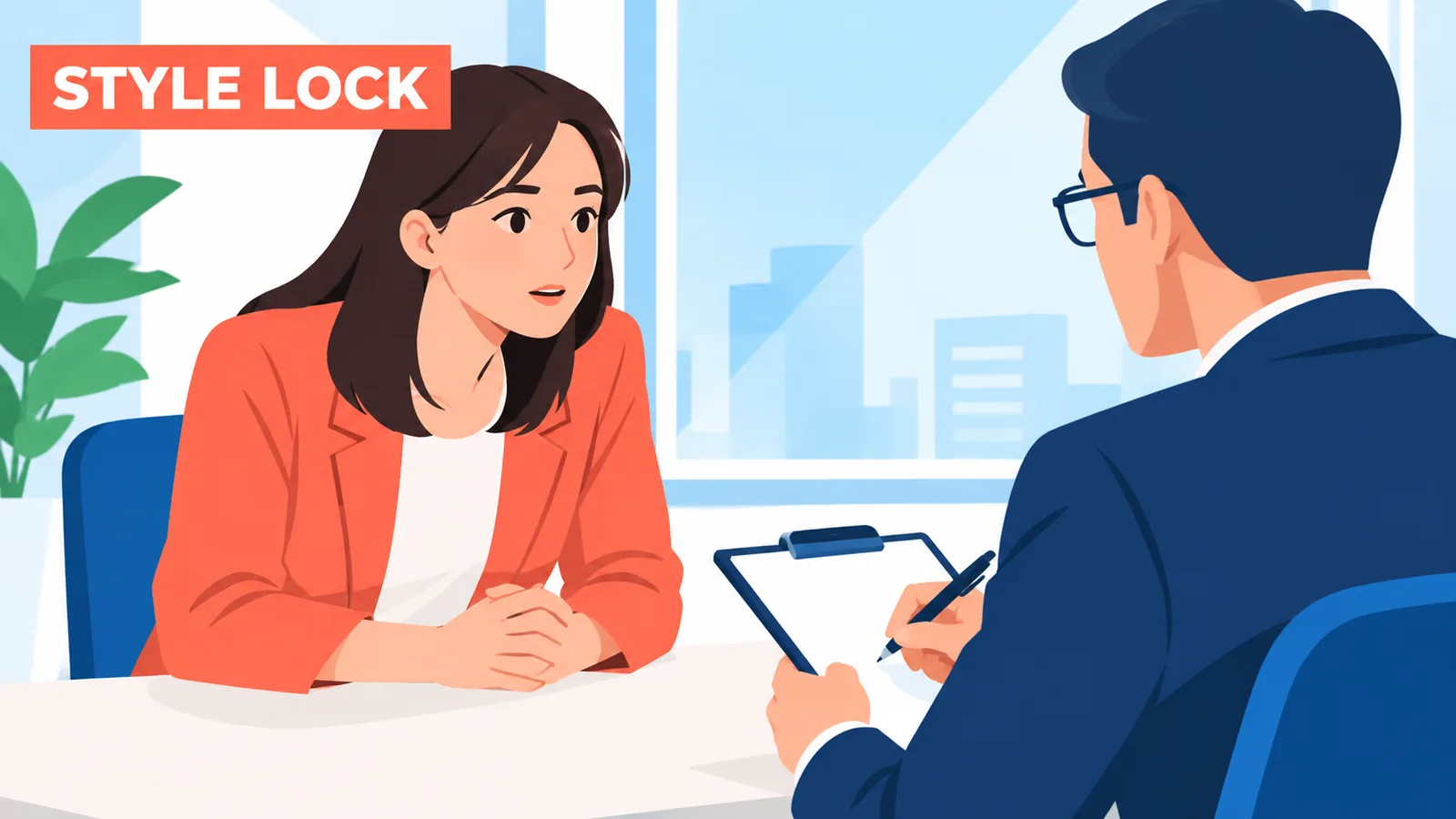
- Read the job description line by line and match your experience to each requirement
- Research the company‘s mission, products, and recent news or updates
- Review the interviewer’s role and background if it’s shared with you in advance
- Prepare two or three specific stories from past work that show your impact
- Plan your outfit, route or tech setup, and required documents the night before
- Write down two to three thoughtful questions to ask at the end
Doing this checklist even partially puts you ahead of many candidates who walk in without a clear sense of the company’s priorities.
How to Answer Common Interview Questions
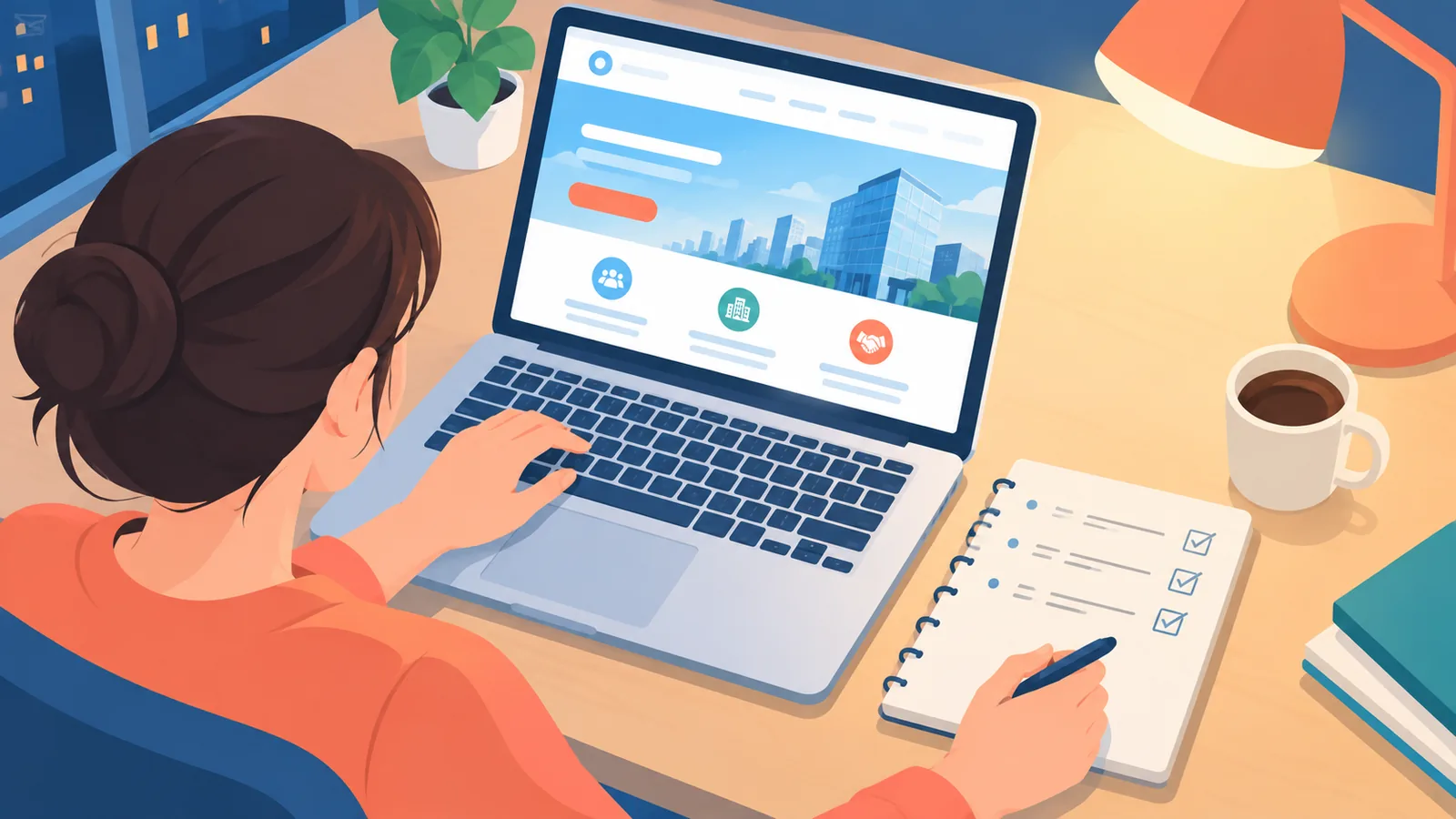
Most interviews draw from a predictable pool of question types. Knowing the category helps you prepare a flexible answer rather than memorizing a script.
- Motivational questions (e.g., “Why do you want this role?”) — connect your specific skills to the company’s specific needs, not generic enthusiasm
- Situational questions (e.g., “What would you do if a project was behind schedule?”) — walk through your reasoning process step by step
- Technical questions — be honest about what you know, and show how you’d find an answer if you don’t know something immediately
- Behavioral questions (e.g., “Tell me about a time you handled conflict”) — these are best answered with the STAR method, covered next

Mastering Behavioral Questions with the STAR Method
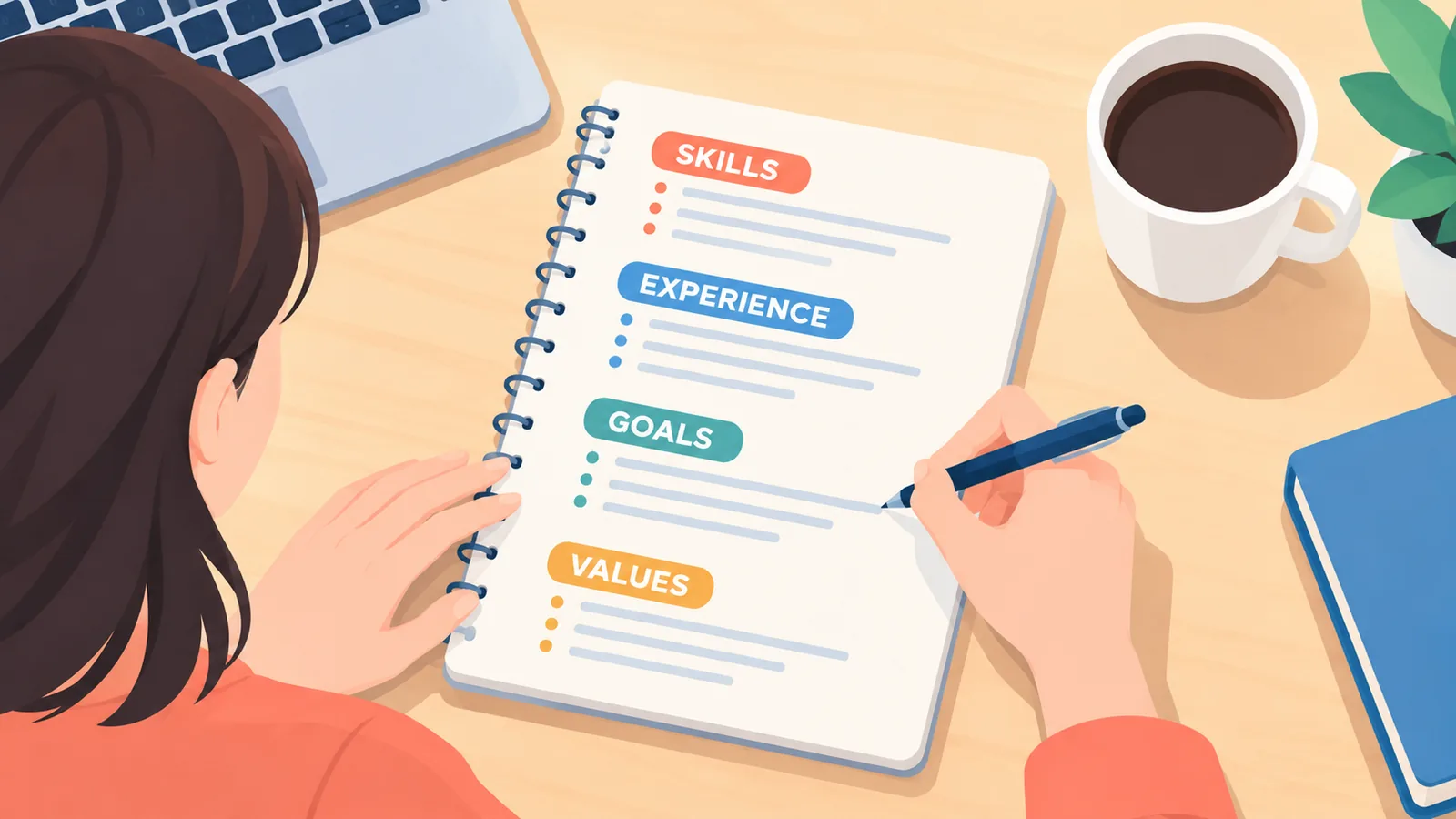
The STAR method is a simple structure for turning a vague memory into a clear, compelling answer: Situation, Task, Action, Result.
- Situation: Briefly set the scene — where you worked, what the context was
- Task: Explain what you specifically needed to accomplish or solve
- Action: Describe the concrete steps you took, using “I” rather than “we”
- Result: Share the outcome, ideally with a specific detail or measurable change
For example, instead of saying “I’m good at handling pressure,” a STAR-based answer might sound like: “When a teammate left mid-project (Situation), I needed to cover their tasks while keeping our deadline (Task). I reorganized the timeline and took on the two most urgent items myself (Action), and we delivered the project on time without cutting quality (Result).” This structure gives the interviewer something concrete to remember.
Interview Formats Compared: Phone, Video, and In-Person
Understanding what each format tests can help you prepare differently depending on the stage you’re in.

| Interview Format | Phone Interview | Video Interview |
|---|---|---|
| Typical Stage | Early screening | Middle-stage evaluation |
| Key Focus | Voice clarity, concise answers | Body language, screen presence, tech setup |
| Preparation Tip | Keep notes nearby but don’t read from a script | Test your camera, lighting, and internet beforehand |
| Interview Format | Video Interview | In-Person Interview |
|---|---|---|
| Typical Stage | Middle-stage evaluation | Later stage, often final round |
| Key Focus | Screen presence, clear audio | Full nonverbal communication, office fit |
| Preparation Tip | Look at the camera, not the screen, when speaking | Arrive early and bring printed copies of your resume |

🛒 Recommended Product
What to Wear and How to Present Yourself
Dress expectations vary by industry and company culture, but a good rule is to dress slightly more formally than the company’s everyday norm. If you’re unsure, business casual is a safe default for most office roles, while business formal fits corporate, legal, or finance settings more consistently.
Beyond clothing, presentation includes small details: clean, professional appearance, minimal distractions in a video background, and arriving with everything you need — resume copies, a notebook, or a working webcam — organized in advance.
Body Language and Communication Tips During the Interview
Nonverbal signals shape how your answers land, sometimes more than the words themselves. A few habits make a noticeable difference:

- Maintain steady eye contact (or look at the camera in video calls) rather than glancing away frequently
- Sit with an open, upright posture instead of crossing your arms
- Pause briefly before answering difficult questions instead of rushing
- Match your tone to the conversation — confident but not rehearsed-sounding
Smart Questions to Ask the Interviewer
When asked “Do you have any questions for us?”, saying no is a missed opportunity. Thoughtful questions show genuine interest and help you evaluate the role too. Strong examples include:

- “What does success look like in this role after the first six months?”
- “How would you describe the team’s current biggest challenge?”
- “What do you enjoy most about working here?”
- “What are the next steps in the hiring process?”
Common Interview Mistakes to Avoid
- Giving vague answers without specific examples or outcomes
- Speaking negatively about a previous employer or manager
- Arriving without having researched the company at all
- Failing to prepare any questions for the interviewer
- Interrupting the interviewer or rushing through answers

After the Interview: Follow-Up Etiquette and Thank-You Notes
The interview isn’t over when you leave the room or end the call. Sending a short, personalized thank-you email as soon as possible — ideally within a day — reinforces a positive impression and keeps you top of mind. A good follow-up note references something specific from the conversation, reiterates your interest, and stays brief.
If you haven’t heard back within the timeframe the interviewer mentioned, a polite check-in email is appropriate rather than repeated follow-ups.

Frequently Asked Questions
What if I don’t have a good answer to a question? It’s fine to pause and say you’d like a moment to think, or to answer with the closest related experience you have while being honest about the gap.
How long should my answers be? Aim for roughly one to two minutes per answer — long enough to give detail, short enough to hold attention.

Should I bring notes into the interview? A small notebook with a few key points or questions is acceptable, but avoid reading answers directly from a script.
What if the interview feels like it went poorly? Send your thank-you note regardless — it’s still a chance to reinforce your interest and add anything you felt you missed.
- General career-guidance conventions on interview preparation, behavioral answer structure (STAR method), and professional follow-up etiquette
Want more comparisons and buying guides?