⚠️ This page connects you to Atovia’s partners and affiliate markets. We may receive a commission from affiliate partners for activities made through these links. Discount offers may change at any time according to policy! Rest assured, there are no additional costs to you! We hope this saves you time in finding the right items!
Searching for how to lawyer in the Supreme Court usually means two different questions. The first is how a licensed attorney joins the Supreme Court bar. The second is how a lawyer actually handles a case there, from the petition through oral argument. They are separate steps. Admission is mostly paperwork, while arguing a case depends on the facts, the Court’s discretion, and a demanding set of filing rules. This guide walks through both, in order. It is general information, not legal advice, and the Court’s current Rules and Clerk’s Office instructions control.
- Who Can Practice Before the Supreme Court
- Supreme Court Bar Admission Requirements
- The Step-by-Step Application Process
- Admission vs. Arguing a Case: What Changes
- How Cases Reach the Court
- Filing Requirements and Briefing
- Preparing for Oral Argument
- Side-by-Side Comparison: Admission vs. Arguing
- Common Mistakes and Drop-Off Points
- Practical Checklist: From Admission to Argument
- Pro Se Parties, Appointed Counsel, and Government Advocates
- Frequently Asked Questions
- Admission to the Supreme Court bar requires good standing in a state’s highest court, two sponsors, a character statement, and a fee. No separate bar exam is involved.
- Admission is a credential. It does not give you a case or a right to argue one.
- Most cases arrive by petition for a writ of certiorari, which the Court grants only in a small share of cases and for compelling reasons.
- Strict deadlines, word limits, and formatting rules apply to every filing, so mistakes often end a case before it begins.
- Fees and procedures change, so always confirm current figures with the Clerk’s Office.
Who Can Practice Before the Supreme Court
Practice before the Court falls into three groups.
- Members of the Supreme Court bar. These are attorneys who were admitted under Rule 5 and can sign filings and appear as counsel.
- Parties who represent themselves. Individuals may file on their own behalf, and the Rules include special provisions for people who cannot afford fees.
- Government advocates. The federal government is usually represented by the Solicitor General’s office, and states are usually represented by their attorneys general.
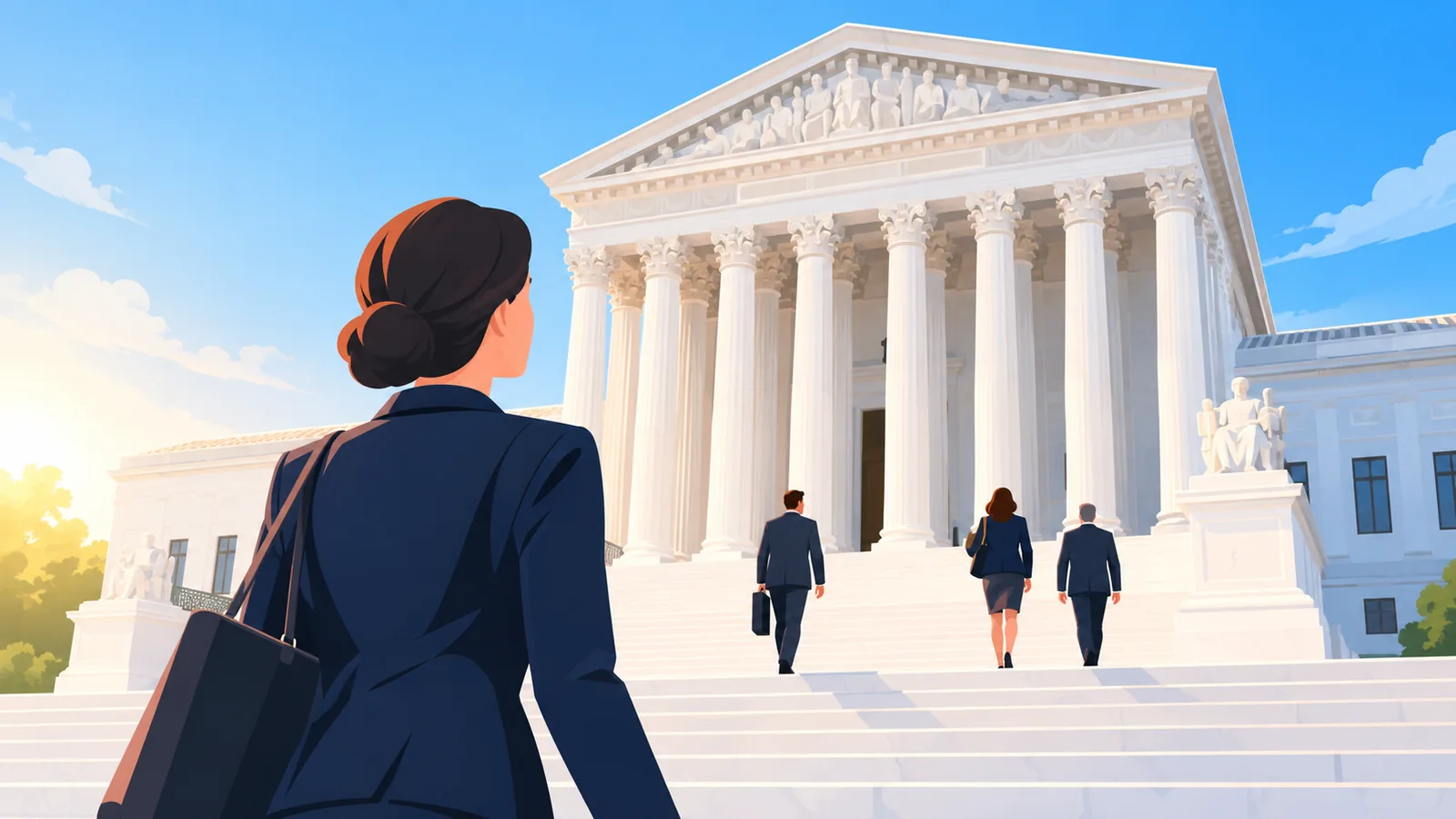
Being admitted to your state bar is not enough on its own. A lawyer must separately join the Supreme Court bar, and the Court’s Rules lay out how.
Supreme Court Bar Admission Requirements
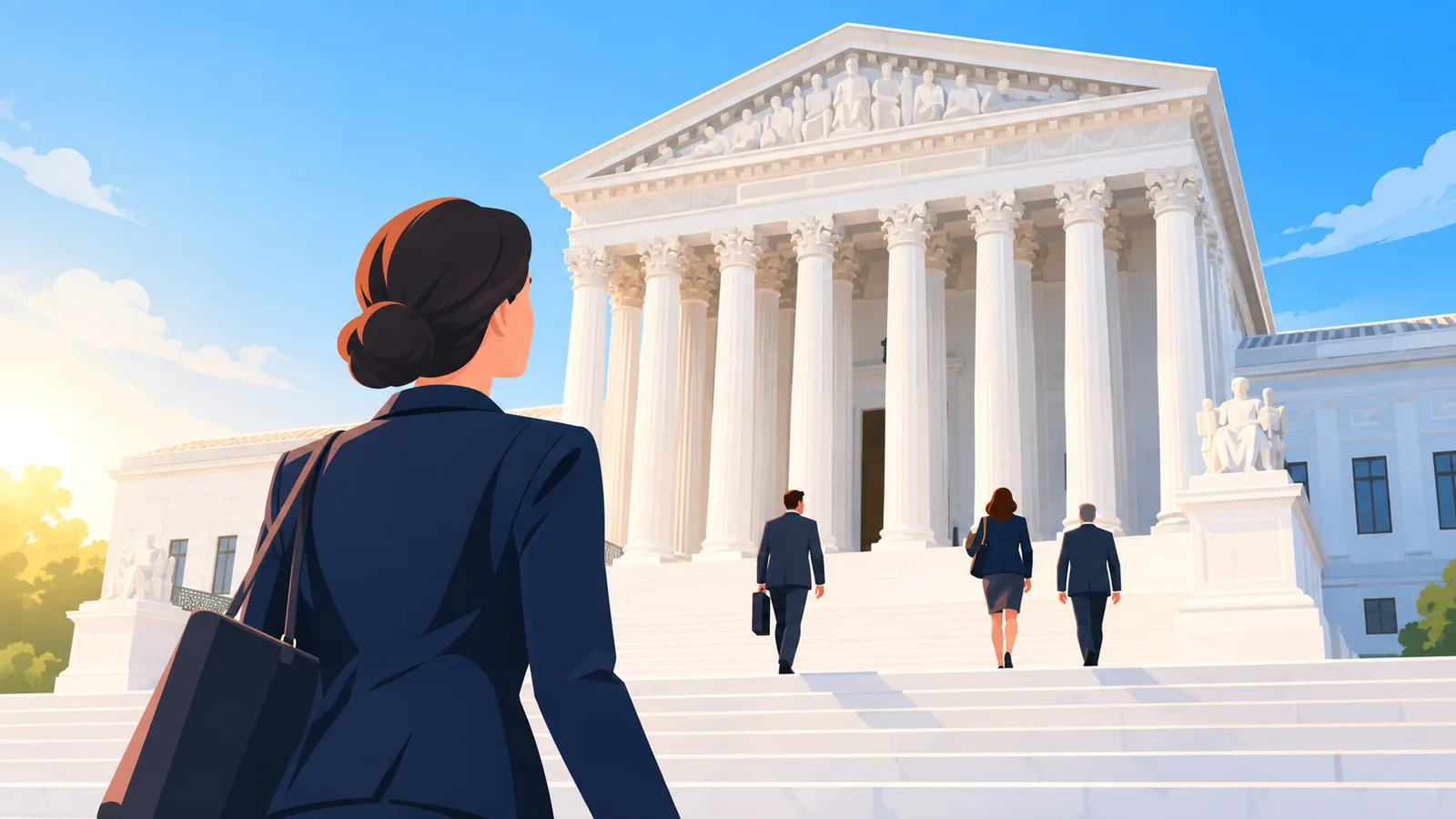
Rule 5 sets the qualifications. In summary, an applicant must meet the following conditions.
- Time in practice. The applicant must have been admitted to practice in the highest court of a state, commonwealth, territory, possession, or the District of Columbia for at least three years immediately before applying.
- Clean disciplinary record. No adverse disciplinary action should be pending or have been imposed during that three-year period.
- Character. The applicant must appear to the Court to be of good moral and professional character.
- Good standing certificate. A certificate from the presiding judge, clerk, or other authorized official of that highest court must show admission and current good standing. The Clerk’s instructions state that one certificate from a state’s highest court is enough and that a certificate from a bar association is not accepted.
- Two sponsors. Each applicant needs two sponsors who are members of the Supreme Court bar, personally know the applicant, and are not related to the applicant.
If you were licensed abroad, check the Clerk’s FAQ before applying. The Rule’s qualification is admission to the highest court of a U.S. jurisdiction, so a foreign license alone does not appear to satisfy it.
The Step-by-Step Application Process
- Get your certificate of good standing. Request it from your state’s highest court. Make sure it is recent enough to be accepted, because the Clerk’s instructions set a recency requirement that you should confirm.
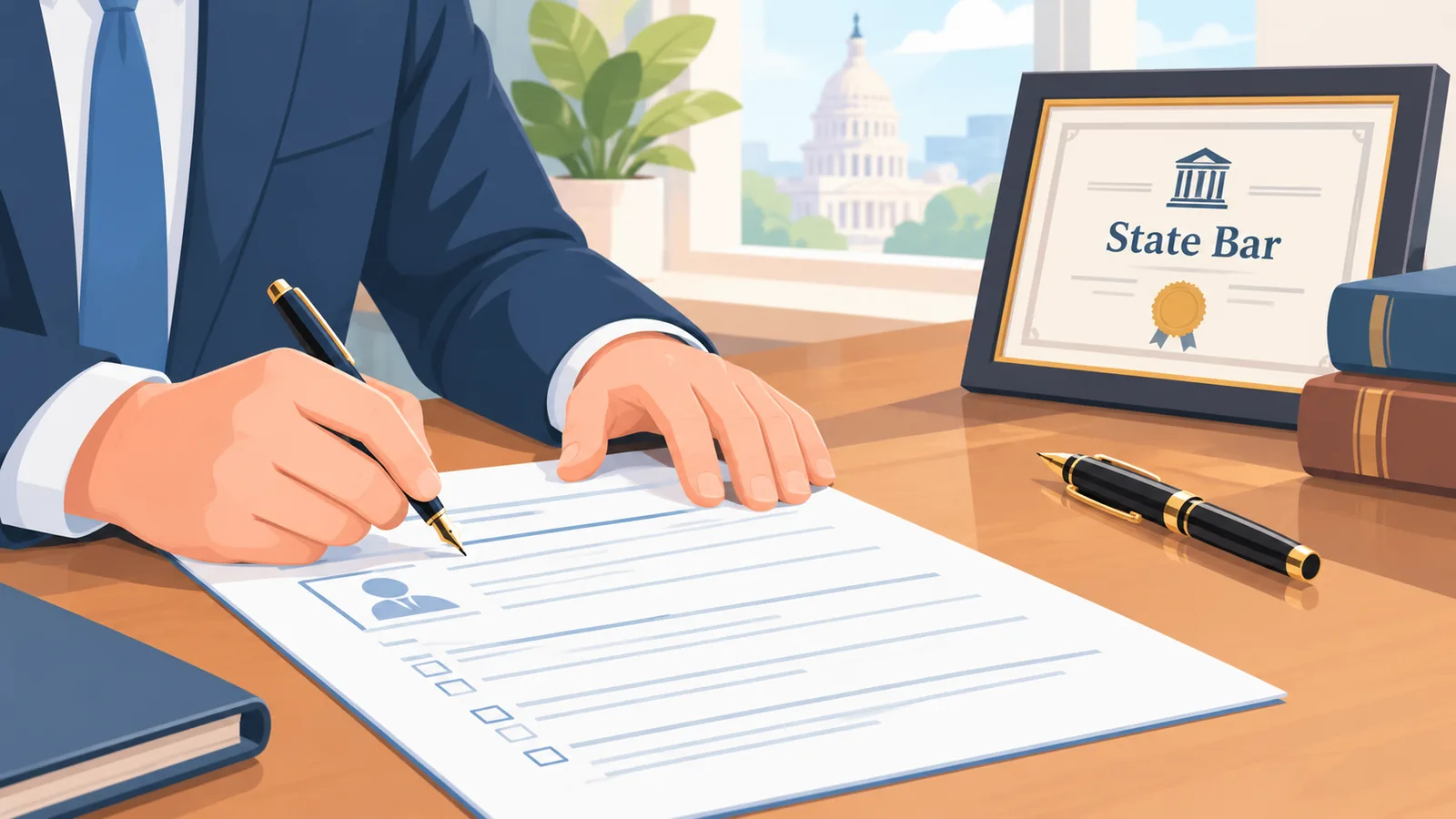
- Complete the Court’s application form. It contains your personal statement and the sponsors’ statements. The form must be fully completed, and the Court will not accept handwritten forms.
- Line up two sponsors. Many law schools and firms hold group admission events where members of the Court’s bar can help.
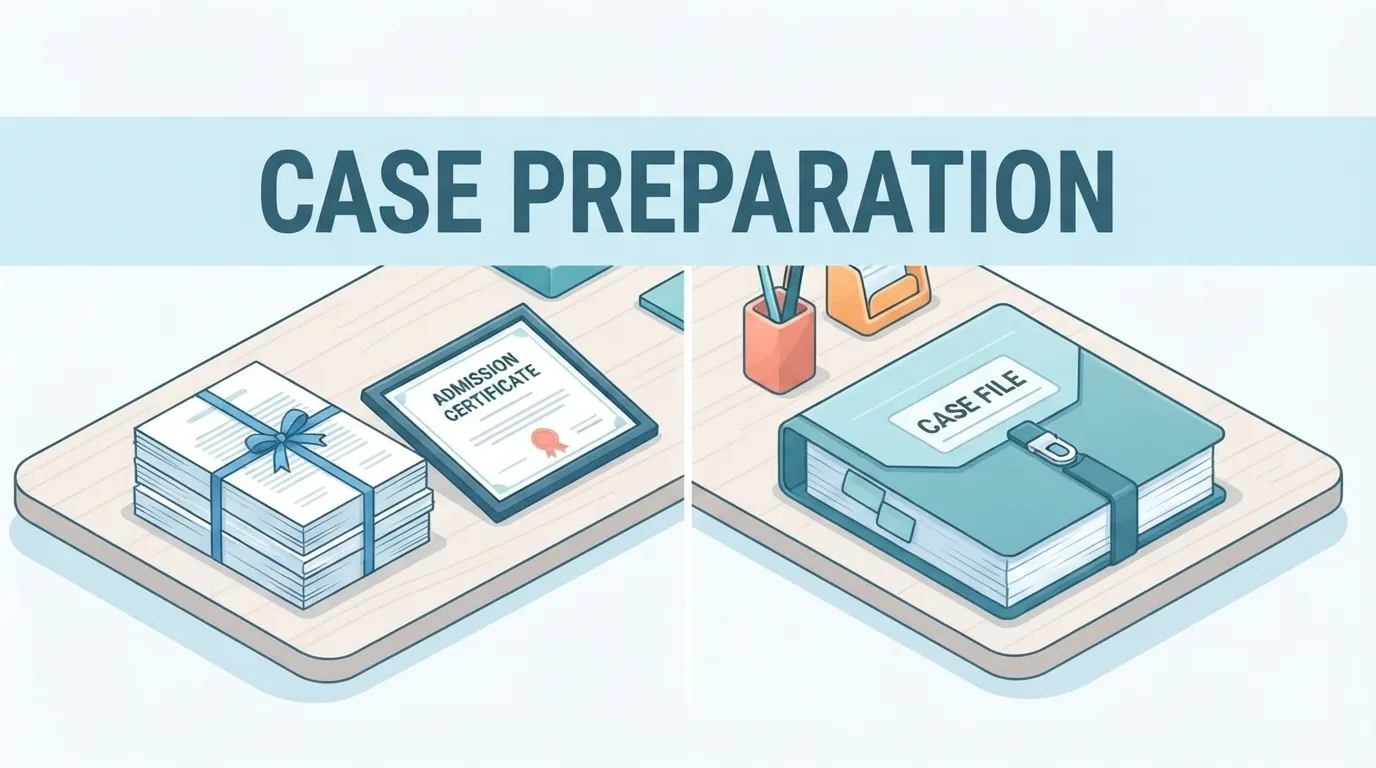
- Choose how you will be admitted. You may be admitted in open court on oral motion by a member of the Court’s bar, or you may apply by paper and receive a certificate from the Clerk. You can join the Supreme Court bar only once, so a paper admission cannot be followed by a second admission in open court.
- Pay the fee. Rule 5 currently sets the admission fee, which includes a certificate with the Court’s seal, at $200. A certificate of good standing from the Court costs $10 and a duplicate admission certificate costs $15. Confirm current fees with the Clerk before you send payment.
- Sign the oath or affirmation. Once your documents show you are qualified and the fee is paid, the Clerk notifies you of acceptance and issues your certificate of admission.
If you apply through the paper process, the application also designates a movant, who may be one of your sponsors or another member of the bar. Unlike sponsors, a movant may be a relative.

Admission vs. Arguing a Case: What Changes
Joining the Supreme Court bar lets you sign filings and appear as counsel. It does not create a case. To argue, you need a client whose case the Court has agreed to hear, and that is the harder part. Many admitted lawyers never argue, and for many of them admission is a professional credential or a ceremonial milestone.
When a case is set for argument, a few other things change. You take on duties that apply only to counsel of record, including deadlines for briefs and responses and compliance with the Court’s printing and filing rules. You also prepare for a very different kind of oral argument than the ones you may be used to in lower courts.
How Cases Reach the Court
Most cases arrive in one of the following ways.
- Petition for a writ of certiorari. This is the main route. Rule 10 explains that review on certiorari is not a matter of right but of judicial discretion and is granted only for compelling reasons, such as a split among lower courts on an important question. By long-standing practice, four justices must vote to grant review. That four-justice practice is custom, not a written rule.
- Direct appeal. A narrow category of cases, such as certain three-judge district court matters, can reach the Court this way.
- Original jurisdiction. The Court is the first and only court for a small set of disputes, such as controversies between states.
- Emergency applications. Parties can ask a single justice or the full Court for a stay or injunction while a case proceeds elsewhere.

The deadline for a cert petition is generally 90 days after judgment in the lower court or after the denial of rehearing, with limited extensions available. Calendar it from the moment the judgment is entered.
Filing Requirements and Briefing
Supreme Court filings are held to a strict standard. Key documents include these.

🛒 Recommended Product
- Petition for a writ of certiorari. Rule 14 sets its required contents, including the questions presented, the opinions below, jurisdiction, and the reasons for granting review. Rule 33 sets a word limit on the petition, so check the current figure before drafting.
- Brief in opposition. The respondent may file one to argue the Court should deny review.
- Merits briefs. If the Court grants review, the parties file briefs on the merits, and Rule 33 sets a significantly higher word limit for these. Check the current limit in the Rule before you draft.
- Reply briefs. These have shorter limits than opening briefs.
- Amicus briefs. Rule 37 governs briefs filed by friends of the court, and word limits and consent requirements differ between the cert stage and the merits stage.
Paid filings generally use the Court’s booklet format, with strict rules on cover colors, typeface, and length. Counsel are also generally required to file electronically in addition to submitting paper copies. Because these rules are detailed, many lawyers hire printers who specialize in Supreme Court filings.
Preparing for Oral Argument
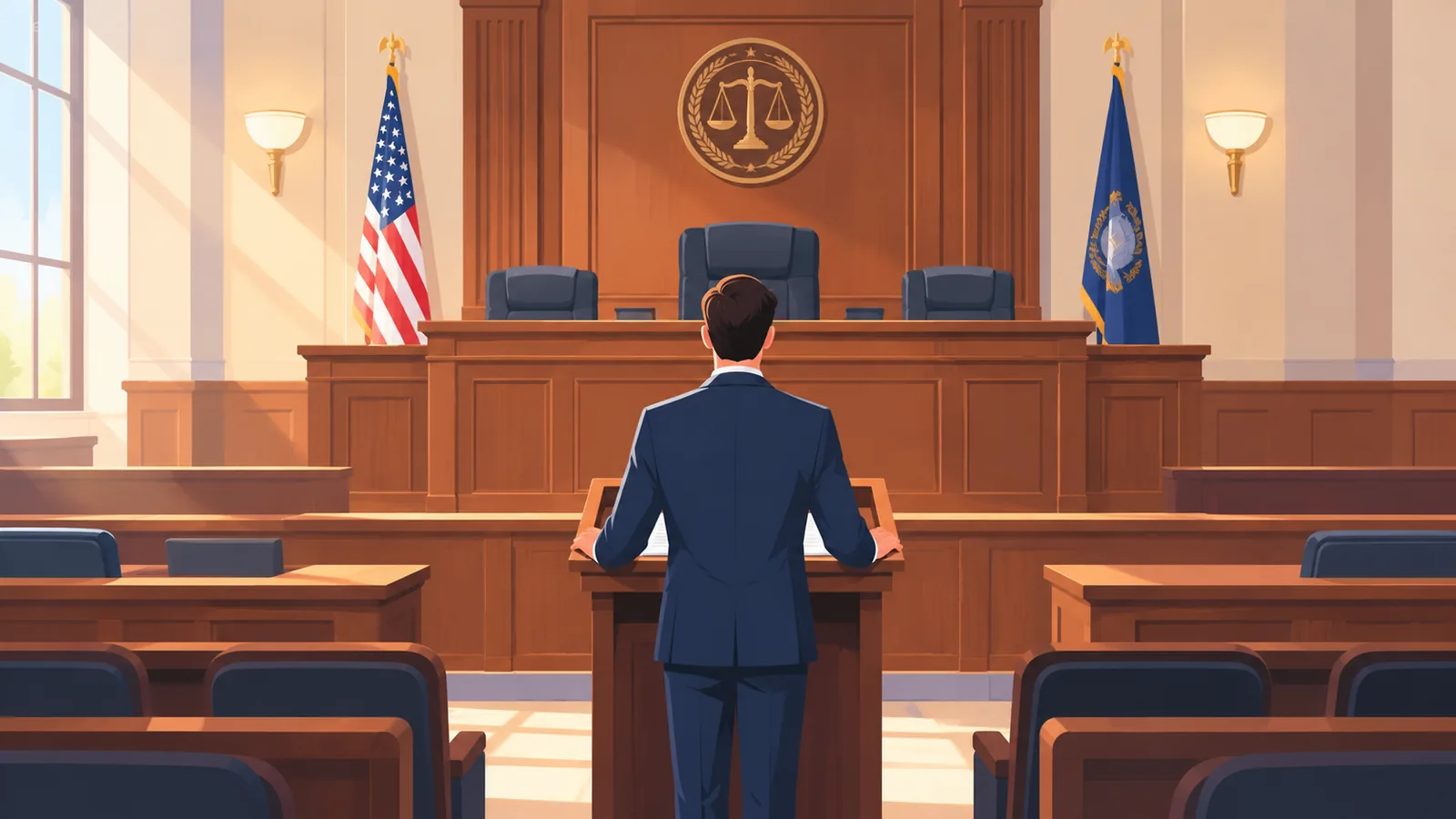
Under Rule 28, argument time is normally 30 minutes per side, and the Court sets the order. The justices ask questions throughout, so many advocates barely get through their outline. The following points are common practice and advocacy advice, not rules.

- Know the record and the law cold. You will be asked about both, along with the practical consequences of the rule you propose.
- Answer questions directly. Answer first, then explain.
- Practice in moot courts. Practice arguments with experienced appellate lawyers are common, though they are not required.
- Expect hypotheticals. The justices often test where your rule would lead in other cases.
- Follow courtroom etiquette. Begin by addressing the Chief Justice, and watch the clock lights.
Do not assume you can get extra time. Changes to the time allotment are by motion and are not guaranteed. Argument is also normally handled by members of the Court’s bar, so a lawyer who is not yet a member should talk to the Clerk’s Office well before the argument date.
Side-by-Side Comparison: Admission vs. Arguing
| Factor | Joining the Supreme Court Bar | Arguing a Case Before the Court |
|---|---|---|
| Who is eligible | Attorneys with at least three years in a state’s highest court bar and a clean disciplinary record | Counsel for a party in a case the Court has agreed to hear, normally a Supreme Court bar member |
| What it requires | Good standing certificate, two sponsors, application form, oath, and fee | A granted petition or other case before the Court, merits briefs, and preparation for argument |
| Cost | A modest fee set by Rule 5, currently $200 | Varies widely, including printing, research, and attorney time |
| Time | Typically a matter of paperwork and scheduling | Often many months from petition to argument |
| Outcome | A certificate of admission and the ability to sign filings | A chance to persuade the Court, with no guaranteed result |
Common Mistakes and Drop-Off Points
- Missing a deadline. The 90-day cert deadline is strict, and a late petition can be dismissed. Docket it immediately.
- Formatting errors. The Clerk’s Office can reject filings that do not follow the booklet, typeface, cover, or word-count rules.
- Weak cert-stage framing. A petition that argues the lower court was wrong, without explaining why the question matters beyond this case, rarely persuades the justices.
- Incomplete admission paperwork. Handwritten forms, the wrong type of certificate, or sponsors who do not meet the Rule can delay admission.
- Treating admission as the finish line. The credential is the beginning. Case selection, briefing, and preparation are the real work.

Practical Checklist: From Admission to Argument
- Confirm you have at least three years in your state’s highest court bar and a clean disciplinary history.
- Order a recent certificate of good standing from that court.
- Find two unrelated sponsors who are members of the Supreme Court bar and who know you personally.
- Complete the Court’s application form and choose open court or the paper process.
- Pay the current admission fee and sign the oath.
- When you have a case, calendar the 90-day cert deadline and any extension request deadline.
- Draft the petition against the Rule 14 content requirements and the Rule 33 word limit.
- Confirm the format, printing, and electronic filing requirements before filing.
- If review is granted, plan the merits briefing schedule and amicus outreach.
- Schedule moot courts and prepare for 30 minutes of questioning.
Pro Se Parties, Appointed Counsel, and Government Advocates
Not everyone who appears before the Court is a private practitioner.
- Pro se parties. Individuals can file on their own behalf. Rule 39 provides for people who cannot pay costs to proceed in forma pauperis, with simpler filing formats.
- Appointed counsel and public defenders. Lawyers who handle these cases before the Court still need to meet the Court’s requirements for appearing as counsel.
- Government advocates. The Solicitor General’s office handles most federal government cases, and state attorneys general handle state matters. Many of these lawyers argue before the Court regularly.
- Law students. Rule 6 sets out a separate pathway for law students to participate in certain circumstances.
Frequently Asked Questions
Do you need to be a Supreme Court bar member to argue?
In practice, yes. Counsel who argue are normally members of the Court’s bar. A lawyer who is not a member should contact the Clerk’s Office early to ask what the Court allows.
How long does admission take?
It depends on how you apply. Open-court admission is tied to the Court’s calendar, and the paper process depends on how quickly the Clerk reviews your documents. The Court does not guarantee a timeframe, so check with the Clerk.
Can foreign-licensed lawyers be admitted?
The Rule requires admission to the highest court of a U.S. state, commonwealth, territory, possession, or the District of Columbia. A foreign license alone does not meet that qualification. Review the Clerk’s FAQ for details.
How much does it cost?
Rule 5 currently sets the admission fee at $200. A certificate of good standing from the Court is $10 and a duplicate admission certificate is $15. Fees can change, so confirm them before applying.
How many cases does the Court hear each year?
The Court receives several thousand petitions each year and hears roughly 60 cases in argument. For exact figures, see the Court’s own statistics.
Is a second exam required?
No. Admission requires paperwork, sponsors, and the fee rather than a separate bar exam.
Ready to apply? Review the Clerk’s official admission instructions and the Court’s Rules before you start.
- Supreme Court of the United States, Important Information for Admission to the Bar (supremecourt.gov/bar/updatedadmissioninstructions.pdf)
- Rules of the Supreme Court of the United States, Rule 5, Admission to the Bar (law.cornell.edu/rules/supct/rule_5)
- Rules of the Supreme Court of the United States, Rules 6, 10, 13, 14, 28, 33, 37, and 39 (supremecourt.gov)
- Harvard Law School, Supreme Court Bar Admissions FAQ (hls.harvard.edu)
- FindLaw, How to Get Sworn In to the U.S. Supreme Court (findlaw.com)
Want more comparisons and buying guides?