⚠️ This page connects you to Atovia’s partners and affiliate markets. We may receive a commission from affiliate partners for activities made through these links. Discount offers may change at any time according to policy! Rest assured, there are no additional costs to you! We hope this saves you time in finding the right items!
- 1. What Is Kinesiology Taping? A Complete Introduction
- 2. The Science Behind Kinesiology Tape: How It Works on Your Body
- 3. Key Benefits of Kinesiology Taping for Athletes and Everyday Users
- 4. Types of Kinesiology Tape and How to Choose the Right One
- 5. Essential Tools and Preparation Before You Start Taping
- 6. Step-by-Step Kinesiology Taping Techniques for Common Sports Injuries
- 7. Kinesiology Taping for Pain Relief: Knees, Shoulders, Back, and More
- 8. How to Use Kinesiology Tape to Enhance Sports Performance and Fitness
- 9. Kinesiology Taping for Recovery: Reducing Swelling and Accelerating Healing
- 10. Common Mistakes to Avoid When Applying Kinesiology Tape
- 11. How Long to Wear Kinesiology Tape and When to Remove It
- 12. Who Should and Should Not Use Kinesiology Tape
- 13. Expert Tips and Best Practices for Long-Term Taping Success
- 14. Frequently Asked Questions About Kinesiology Taping
Whether you are a competitive athlete pushing your limits on the field, a weekend warrior recovering from a nagging strain, or someone dealing with everyday aches and chronic pain, kinesiology taping has likely crossed your path. You may have spotted the colorful strips of tape on the knees of marathon runners, the shoulders of Olympic swimmers, or the backs of professional basketball players. But what exactly is it, and does it really work?
This complete guide answers every question you have ever had about kinesiology taping. From the biology behind how it interacts with your skin and muscles, to detailed application techniques for specific injuries and performance goals, you will find everything you need to start using kinesiology tape confidently and effectively. Let us dive in.
- Kinesiology tape is a flexible, elastic therapeutic tape designed to mimic the weight and thickness of human skin.
- It works by lifting the skin microscopically to improve blood flow, lymphatic drainage, and nerve signaling.
- It can be used for pain relief, injury prevention, sports performance enhancement, and post-workout recovery.
- Proper skin preparation and correct application technique are critical to getting the best results.
- Kinesiology tape is generally safe but is not a substitute for professional medical diagnosis or treatment.
1. What Is Kinesiology Taping? A Complete Introduction
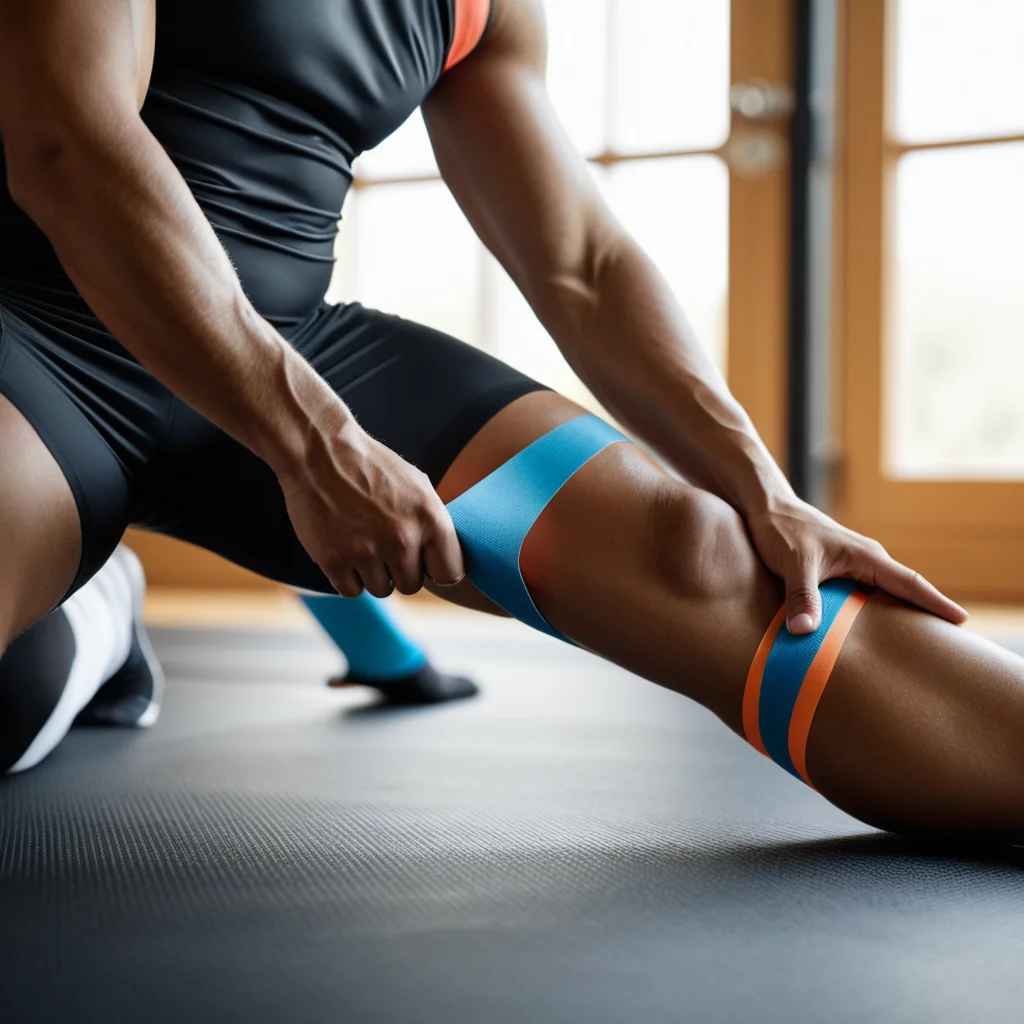
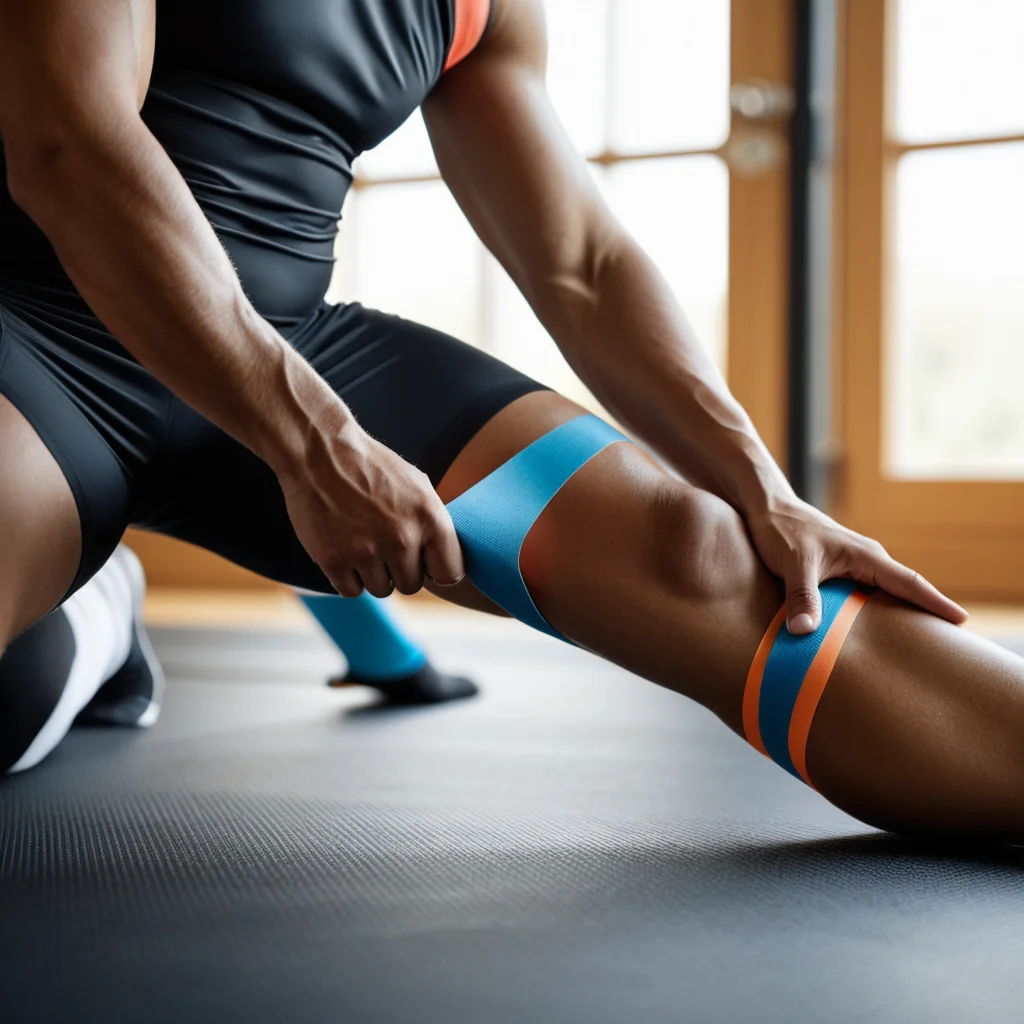
Kinesiology taping is a rehabilitative technique that uses a specially designed elastic adhesive tape — known as kinesiology tape or KT tape — applied directly to the skin over muscles, joints, and tendons. Unlike traditional athletic tape, which is rigid and primarily used to immobilize joints, kinesiology tape is highly elastic and designed to support the body while preserving a full, natural range of motion.
The method was developed in the 1970s by Japanese chiropractor and acupuncturist Dr. Kenzo Kase, who wanted to create a taping approach that would complement the body’s natural healing process rather than hinder it. His tape mimicked the elasticity of human skin — stretching up to 140 percent of its original length — allowing athletes and patients to move freely while still receiving targeted muscular and joint support.
By the time the 2008 Beijing Olympics arrived, kinesiology tape had exploded onto the global stage. Athletes from dozens of countries wore the brightly colored strips, and television cameras made sure the world noticed. Since then, its use has grown far beyond professional sports. Physical therapists, chiropractors, personal trainers, and everyday individuals now use kinesiology taping as part of injury prevention, pain management, and general wellness routines.
At its core, kinesiology taping works on three levels: it influences the skin and the sensory receptors just beneath it, it affects the flow of blood and lymphatic fluid through the tissue, and it modifies the tension and function of the underlying muscles. When applied correctly, even a single strip of tape can make a measurable difference in how a muscle fires, how much pain a person perceives, and how quickly swollen tissue drains.
2. The Science Behind Kinesiology Tape: How It Works on Your Body
Understanding why kinesiology tape works requires a brief look at what happens beneath the skin when the tape is applied. The outer layer of your skin — the dermis and epidermis — sits just above a layer of connective tissue called fascia, which in turn wraps around your muscles, tendons, and other structures. When an area of the body is inflamed, swollen, or under excessive muscular tension, the tissue beneath the skin becomes compressed and congested. This congestion can impair circulation, restrict lymphatic drainage, and amplify pain signals sent to the brain.
Kinesiology tape addresses this problem through a mechanism called skin lifting. Because the tape has a wave-like adhesive pattern on its backing, when it is applied to the skin with the proper amount of tension, it creates small convolutions or folds in the skin’s surface. These microscopic lifts decompress the tissue directly beneath, creating more space for blood capillaries to expand and for lymphatic vessels to drain more freely. The result is reduced inflammation, faster removal of metabolic waste products, and a decrease in the pressure on local pain receptors called nociceptors.
Beyond the circulatory effects, kinesiology tape also interacts with the nervous system in a meaningful way. The skin is densely packed with mechanoreceptors — sensory nerve endings that respond to pressure, stretch, and vibration. When kinesiology tape is applied, it continuously stimulates these receptors, sending a stream of sensory information to the spinal cord and brain. This input can effectively compete with and reduce the transmission of pain signals, a phenomenon explained by the well-established Gate Control Theory of Pain. In simple terms, the non-painful sensation produced by the tape can partially close the neurological “gate” through which pain signals travel, resulting in meaningful pain relief without any medication.
Finally, kinesiology tape affects muscle function by altering the tone and activation patterns of the muscles it overlies. Depending on how the tape is applied — specifically whether it is anchored from the muscle’s origin toward its insertion or from insertion toward origin — it can either facilitate a weak or inhibited muscle to work more effectively, or calm down an overactive and spasming muscle. This directional application principle is one of the most important concepts in kinesiology taping and one that separates thoughtful, therapeutic application from simply sticking tape on the skin.
3. Key Benefits of Kinesiology Taping for Athletes and Everyday Users
The popularity of kinesiology tape is no accident. Its range of benefits is broad enough to make it genuinely useful for an impressively diverse group of people, from elite sprinters to office workers with lower back pain. Here is a thorough look at what kinesiology taping can do for you.
Pain Reduction Without Medication: One of the most consistently reported benefits of kinesiology tape is its ability to reduce pain. Through the Gate Control mechanism described earlier, and through the decompression of pain-sensitive tissues, well-applied tape can offer meaningful relief from acute injuries, chronic overuse conditions, and post-surgical discomfort. Many users report feeling a reduction in pain within minutes of application.
Swelling and Edema Control: By lifting the skin and improving lymphatic drainage, kinesiology tape can visibly reduce swelling following an acute injury or after intense physical activity. This is particularly valuable in the first 48 to 72 hours after a sprain, strain, or bruise, when inflammation is at its peak.
Improved Muscular Support Without Restriction: Unlike rigid sports tape, kinesiology tape supports muscles and joints while allowing the body to move through its full natural range of motion. This means athletes can tape an ankle, knee, or shoulder before competition and still perform at their best without the stiffness and restriction that comes with traditional bracing or rigid taping.
Posture Correction and Postural Awareness: Applied along the upper back, neck, or core, kinesiology tape provides gentle tactile feedback whenever the wearer slouches or loses proper alignment. This real-time sensory cueing helps re-educate the body toward better posture over time, which is enormously beneficial for people whose work involves prolonged sitting or repetitive movement patterns.
Enhanced Proprioception: Proprioception is the body’s sense of where its limbs are in space. Injuries and chronic pain can diminish proprioceptive accuracy, increasing the risk of re-injury. Kinesiology tape’s constant skin stimulation enhances proprioceptive feedback, helping the nervous system make better, faster adjustments during movement — a key advantage for athletes returning from injury.
Injury Prevention During Training: Strategically applied before training sessions or competition, kinesiology tape can reinforce vulnerable joints, remind the body to maintain proper movement mechanics, and provide an added layer of support to muscles that are fatigued or slightly strained. Many athletes use tape proactively, not just reactively.
Accelerated Recovery Between Workouts: Athletes competing in multi-day events or those with heavy training schedules use kinesiology tape overnight or between sessions to promote circulation, reduce delayed-onset muscle soreness (DOMS), and maintain tissue mobility. Applied as a recovery tool rather than purely a therapeutic one, tape can meaningfully improve turnaround time between hard efforts.
4. Types of Kinesiology Tape and How to Choose the Right One
Walk into any sports store or search online, and you will quickly discover that not all kinesiology tape is the same. The market has expanded dramatically over the past two decades, and today there are dozens of brands and several distinct types of tape, each with its own properties, strengths, and ideal use cases.
| Feature | Standard Kinesiology Tape | Rigid Athletic Tape |
|---|---|---|
| Elasticity | High (up to 140% stretch) | None (completely rigid) |
| Range of Motion | Fully preserved | Significantly restricted |
| Wear Duration | 3 to 5 days | During activity only |
| Primary Use | Therapeutic support, pain relief, recovery | Joint immobilization, acute injury protection |
| Water Resistance | Good (most brands) | Poor |
| Skin Comfort | High (breathable cotton or synthetic) | Low (can cause skin irritation) |
Standard Cotton Kinesiology Tape: The original and most widely used variety. Cotton-backed tape is breathable, comfortable against the skin, and offers excellent elasticity. It is a great all-purpose choice for most applications and is ideal for people who will be wearing the tape for multiple days or through sweaty training sessions. Brands like KT Tape Original and Kinesio Tex Gold fall into this category.
Synthetic or Nylon Kinesiology Tape: These tapes use a synthetic backing rather than cotton, which typically makes them more durable, more water-resistant, and better suited for use in aquatic environments or in situations requiring extended wear. They tend to adhere more aggressively to the skin, which is an advantage for endurance athletes but can be a drawback for those with sensitive skin.
Pre-Cut Kinesiology Tape Strips: Many brands now offer pre-cut strips in common shapes — I-strips, Y-strips, X-strips, and fan cuts — designed for specific body regions or injury types. These are a convenient option for beginners who may not yet be comfortable cutting tape to shape, and they ensure consistent application geometry each time.
Uncut Rolls: A standard 2-inch wide roll, typically 16 to 33 feet long, gives experienced users the flexibility to cut any shape or length needed for custom applications. This is the most cost-effective option for practitioners or frequent users.
Choosing the Right Tape: For beginners, a pre-cut kit from a reputable brand is the easiest starting point. For athletes focused on water sports or high-sweat environments, look for synthetic-backed tape with extra-strong adhesive. For sensitive skin, seek out latex-free options specifically labeled as hypoallergenic. For clinical practitioners, uncut rolls in multiple widths offer the greatest versatility.

5. Essential Tools and Preparation Before You Start Taping
The difference between kinesiology tape that lasts three days and tape that peels off within hours almost always comes down to preparation. Proper skin preparation is non-negotiable if you want your tape to adhere well, feel comfortable, and deliver its therapeutic benefits consistently.
What You Will Need: Before you begin any taping application, gather the following supplies. You will need your kinesiology tape (roll or pre-cut strips), a pair of sharp scissors if cutting from a roll, skin-friendly tape adherent spray or wipes if you have very oily or sweaty skin, rubbing alcohol or gentle soap for cleaning the skin, and a razor for removing any body hair in the area to be taped if applicable.
Clean and Dry the Skin: The most important preparation step is ensuring the skin is clean, dry, and free of lotions, oils, sunscreens, and sweat. Wash the area with mild soap and water, or wipe it down with an alcohol-based wipe, and allow it to dry completely before applying tape. Even a small amount of residual oil or moisture can prevent the adhesive from bonding properly with the skin.
Hair Removal: Body hair creates a physical barrier between the tape’s adhesive and the skin. While a small amount of fine hair is usually manageable, thicker body hair — particularly on the legs, chest, or forearms — should be shaved at least an hour before taping. Shaving immediately before taping can irritate hair follicles and cause discomfort when the tape is removed.
Warm the Adhesive: Kinesiology tape’s adhesive is heat-activated. After application, rubbing the tape firmly with your palm for 30 to 60 seconds generates friction heat that significantly improves the bond between the tape and skin. Never skip this step.
Round the Corners: When cutting tape from a roll, always round the corners of each strip with your scissors. Square corners are far more likely to catch on clothing and begin peeling. This is a small but highly effective technique for extending the life of your application.
Allow Time Before Activity: For the adhesive to reach its maximum holding strength, try to apply the tape at least 30 minutes before training or competition. Some experienced tapers apply it the night before a major event and sleep in the tape to allow the adhesive to fully cure.
6. Step-by-Step Kinesiology Taping Techniques for Common Sports Injuries
Learning to apply kinesiology tape correctly is a skill that improves with practice. The following techniques cover some of the most common sports injuries and represent standard applications used by physical therapists and sports medicine professionals worldwide. For all applications, the amount of stretch applied to the tape is critically important. The anchor ends (the first and last two inches of each strip) should always be applied with zero stretch to protect the skin from irritation and blistering.
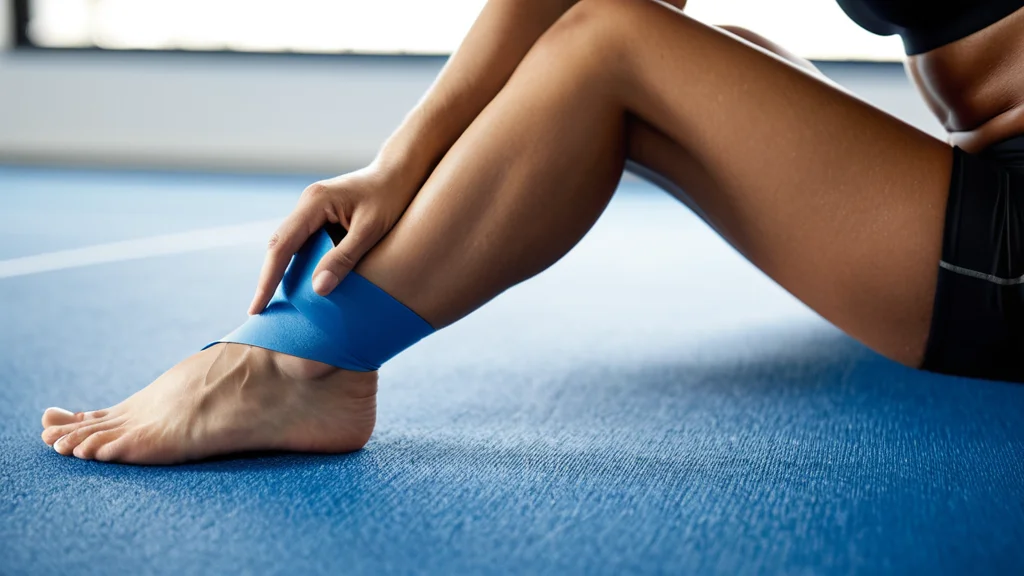
Ankle Sprain Taping: Lateral ankle sprains are among the most common sports injuries. To tape a sprained ankle, begin with the foot dorsiflexed (toes pointed toward the shin). Apply a base anchor strip horizontally around the lower calf with no stretch. From this anchor, apply two or three stirrup strips running from the inside of the calf, under the heel, and up to the outside of the calf, each with moderate stretch in the middle of the strip. Finish with a closing strip around the upper ankle. This creates an external supportive structure that mimics the lateral ankle ligaments and limits excessive inversion.
Patellar Tendinopathy (Jumper’s Knee) Taping: Cut two I-strips. Apply the first strip with the knee flexed at approximately 30 degrees, anchoring just below the kneecap and running it upward along the outside of the quadriceps with light to moderate stretch over the belly of the muscle. Apply the second strip in a mirror image along the inside of the quadriceps. The crossing pattern around the patellar tendon provides decompression and reduces the tensile load on the tendon during jumping and stair-climbing activities.
Plantar Fasciitis Taping: With the foot in a neutral position, anchor a strip at the base of the toes and run it along the arch of the foot toward the heel with moderate stretch, ending just below the heel bone. Apply two or three reinforcing strips across the arch perpendicular to the first strip to create a supportive web. This technique reduces the strain on the plantar fascia with each weight-bearing step.
Shin Splints (Medial Tibial Stress Syndrome) Taping: Apply two I-strips side by side along the inner border of the tibia (shin bone), running from just above the ankle to just below the knee, with light stretch. This application reduces the pull of the tibialis posterior and soleus muscles on the periosteum of the tibia, which is the primary source of pain in shin splints.
IT Band Syndrome Taping: With the knee flexed at 90 degrees, apply an I-strip along the outer thigh from just above the knee to the hip with light stretch over the course of the IT band. The decompressive effect reduces friction at the lateral knee, which is the hallmark source of pain in IT band syndrome.
🛒 Recommended Product
7. Kinesiology Taping for Pain Relief: Knees, Shoulders, Back, and More
Beyond specific sports injuries, kinesiology tape is widely used to manage pain in some of the most commonly affected areas of the human body. Here is how to approach taping for the most frequent pain sites.
Knee Pain and Osteoarthritis: For general knee pain or early osteoarthritis, a Y-strip applied around the kneecap with the legs straight provides decompression and lifts the tissues around the joint. The tails of the Y are applied on either side of the patella with moderate stretch, while the anchor sits just below the kneecap. Many users with chronic knee pain report sustained relief throughout the day with this application, particularly for going up and down stairs.
Shoulder Pain and Rotator Cuff Issues: Shoulder taping often involves multiple strips addressing the deltoid, rotator cuff, and upper trapezius. A common approach uses a Y-strip applied from the mid-upper arm, splitting to wrap around the front and back of the shoulder joint, with the arm hanging naturally. A second horizontal strip across the upper trapezius with moderate stretch addresses the muscle tension that often accompanies shoulder problems.
Lower Back Pain: Two parallel I-strips applied on either side of the lumbar spine — running vertically from the sacrum to the mid-back with light stretch and the spine in a slightly flexed position — provide decompression of the paraspinal muscles and meaningful pain relief for many lower back pain sufferers. This is one of the most popular non-sports applications of kinesiology tape and is used extensively in clinical physiotherapy settings.
Neck Pain and Upper Trapezius Tension: A Y-strip applied from the base of the skull down to the upper thoracic spine with the neck in gentle flexion addresses the muscles of the posterior neck. A second strip applied horizontally across the upper trapezius from shoulder to shoulder with moderate stretch is remarkably effective for the tension headaches and trapezius tightness that plague desk workers and frequent computer users.
Wrist and Carpal Tunnel Pain: For wrist pain or carpal tunnel-related discomfort, a fan cut applied over the palm of the hand and running up the forearm with the wrist in slight extension promotes lymphatic drainage and reduces compression in the carpal tunnel. This application is particularly useful during activities that require prolonged wrist flexion or repetitive gripping.
8. How to Use Kinesiology Tape to Enhance Sports Performance and Fitness
While most people associate kinesiology tape with injury treatment, its performance-enhancement applications are equally compelling. Used strategically before training or competition, tape can help healthy athletes move more efficiently, maintain better mechanics, and delay the onset of fatigue.
Muscle Facilitation for Explosive Performance: Applying tape from the insertion to the origin of a muscle — that is, in the direction the muscle shortens when it contracts — has a facilitating effect that encourages the muscle to fire more powerfully and with better timing. Sprinters, jumpers, and throwers sometimes use this technique on the glutes, hamstrings, or quadriceps to enhance explosive output during competition.
Core Stability Support: Applying tape over the obliques, transverse abdominis, and lower back in a crisscross pattern can enhance the sensory awareness of core engagement during heavy lifting or high-intensity training. This application does not replace core training, but it provides an additional layer of proprioceptive feedback that many athletes find improves their movement quality under fatigue.
Shoulder Mechanics During Overhead Sports: Swimmers, volleyball players, tennis players, and baseball pitchers all place extreme demands on the shoulder complex. Taping that targets the posterior deltoid, infraspinatus, and teres minor can help maintain proper shoulder positioning during overhead movements, reducing the energy leakage and compensatory patterns that develop when smaller rotator cuff muscles fatigue.
Postural Support During Endurance Events: During long-distance running, cycling, or triathlon events, postural breakdown is a major source of performance loss and injury risk. Kinesiology tape applied along the thoracic spine and across the rhomboids at the start of a race serves as a postural cue throughout the event, helping athletes maintain an efficient position even in the late stages when fatigue sets in.
Preventing Blisters and Skin Irritation: In its simplest form, kinesiology tape applied to known hot spots — the heel, the ball of the foot, nipples in distance runners — provides a protective barrier against friction that prevents blisters and skin breakdown during long training sessions or multi-day events.
9. Kinesiology Taping for Recovery: Reducing Swelling and Accelerating Healing
Recovery is where kinesiology tape perhaps shows its most dramatic and visually convincing effects. The fan-cut or lymphatic drainage application — in which the tape is cut into four to six narrow tails fanning out from a single anchor point — is specifically designed to maximize the skin-lifting effect over a broad area, dramatically improving lymphatic flow and reducing edema.
Acute Injury Management: In the first 72 hours following an acute sprain, strain, or contusion, a fan-cut application centered over the area of maximum swelling can visibly reduce bruising and edema within 24 hours. Many sports medicine clinicians use this application as a complement to standard RICE protocol (Rest, Ice, Compression, Elevation) and observe faster resolution of swelling compared to compression alone.
Post-Surgical Recovery: Physical therapists frequently use kinesiology tape in the weeks following orthopedic surgery — particularly knee and shoulder procedures — to manage post-operative swelling, reduce scar tissue adhesion, and maintain joint mobility during the early stages of rehabilitation. The tape’s ability to work continuously around the clock, even during sleep, makes it a powerful adjunct to traditional in-clinic therapy.
Delayed-Onset Muscle Soreness (DOMS) Reduction: Applied immediately after a heavy training session over the worked muscle groups, kinesiology tape has been shown in several studies to reduce the perceived severity and duration of DOMS. The mechanism is consistent with the general principles of the tape: improved local circulation removes metabolic waste products more efficiently, and the reduction in pain-receptor stimulation decreases the perception of soreness.
Between-Session Recovery for Competitive Athletes: Athletes competing in tournaments, stage races, or multi-day events who need to perform at a high level on consecutive days benefit enormously from overnight kinesiology tape applications on their most heavily used muscle groups. The tape continues to work during sleep — a period when the body’s natural repair processes are most active — providing a passive recovery modality that requires no effort from the athlete.
10. Common Mistakes to Avoid When Applying Kinesiology Tape
Even with the best tape and the right intentions, a handful of common errors can undermine your results and occasionally cause skin problems. Learning to recognize and avoid these pitfalls will immediately improve your taping outcomes.
Applying Too Much Stretch: This is the single most common mistake made by beginners. More stretch does not mean more support. Excessive tension in the tape pulls on the skin constantly, causing redness, blistering, and irritation — especially at the anchor points. As a general rule, the anchors (first and last two inches of each strip) should always be applied with zero stretch, and the body of most therapeutic applications requires only 15 to 50 percent stretch.
Not Rounding the Corners: Square-cut corners are a tape’s worst enemy. They catch on everything — clothing, bedsheets, other tape — and begin the peeling process prematurely. Always use scissors to round every corner before application.
Applying to Dirty or Oily Skin: Even clean-looking skin can carry enough residual oil, lotion, or sunscreen to prevent proper adhesion. Always wipe the skin with rubbing alcohol and allow it to dry completely before applying tape.
Not Allowing the Adhesive to Warm and Set: The tape’s acrylic adhesive requires heat to activate. After applying each strip, rub it vigorously with your palm for 30 to 60 seconds. Skipping this step is one of the most common reasons tape peels off during the first day of wear.
Applying in the Wrong Direction: The direction of tape application relative to muscle fiber direction and the origin-to-insertion relationship of the muscle determines whether the tape has a facilitating or inhibiting effect. Randomly applying tape in whatever direction seems convenient can produce the opposite of the intended effect. Take time to understand the relevant anatomy before applying tape for a specific purpose.
Leaving Tape on Too Long: Kinesiology tape should not be worn for more than five to seven days. Leaving it on longer than this can cause skin maceration (softening and breakdown from prolonged moisture), folliculitis (inflammation of hair follicles), and contact dermatitis. If the tape starts to smell or the skin beneath it looks red and angry, remove it immediately.
11. How Long to Wear Kinesiology Tape and When to Remove It
One of the most practical questions users have about kinesiology tape concerns how long it can and should be worn. The answer depends on the quality of the tape, the body region, the individual’s skin sensitivity, and the purpose of the application.
Standard Wear Duration: Most kinesiology tape applications are designed to last three to five days under normal conditions. High-quality tapes from reputable brands, applied to well-prepared skin, can easily last this long through showers, light swimming, and moderate sweat during exercise. After five days, even tape that still appears to be adhering well should be removed to allow the skin to breathe and recover.
After Bathing and Swimming: Kinesiology tape is water-resistant but not waterproof. After showering or swimming, pat the tape gently dry — do not rub it, as this can loosen the edges. Many users find that tape adheres even more strongly to the skin in the hours following a shower, as the warmth of the water activates the adhesive further.
Signs That the Tape Should Come Off Immediately: Remove the tape without delay if you notice any of the following: significant skin redness, blistering, itching, or a rash beneath or around the tape; an unusual odor suggesting trapped moisture or bacterial growth; complete peeling of one or more edges exposing the underlying skin to folding tape; or any discomfort that worsens rather than improves after application.
How to Remove Tape Without Pain: Removing kinesiology tape improperly is a painful experience that can damage the skin. The key is to peel the tape back slowly in the direction of hair growth, pressing down on the skin ahead of the peeling edge rather than pulling the tape away from the body at a sharp angle. Applying baby oil, coconut oil, or a commercial tape remover spray to the edges 10 minutes before removal softens the adhesive and makes the process significantly more comfortable, particularly for people with sensitive skin or significant body hair.
12. Who Should and Should Not Use Kinesiology Tape
Kinesiology tape is remarkably safe and accessible for the vast majority of people, but like any therapeutic modality, it has specific populations for whom it is not appropriate. Understanding these boundaries will help you use it wisely and avoid potential harm.
Ideal Candidates for Kinesiology Taping: Kinesiology tape is appropriate and potentially very beneficial for athletes of all levels using it for injury prevention or performance enhancement; individuals recovering from musculoskeletal injuries such as sprains, strains, tendinopathies, and overuse syndromes; people with chronic pain conditions including lower back pain, knee osteoarthritis, and shoulder impingement; post-surgical patients using it under the guidance of a physical therapist; and pregnant women, for whom specialized lumbar and abdominal support applications can relieve the musculoskeletal discomfort associated with the growing belly — though this should always be done under professional supervision.
Individuals Who Should Avoid Kinesiology Taping: The tape should not be applied over open wounds, broken skin, or active skin infections or rashes, as this could introduce bacteria and worsen the condition. People with deep vein thrombosis (DVT) should not use kinesiology tape over the affected limb without medical clearance, as improving lymphatic and circulatory flow in the presence of a clot carries risk. Individuals with known adhesive allergies or fragile skin conditions such as psoriasis, eczema in an active flare, or a history of skin reactions to adhesives should test the tape on a small area of skin before committing to a full application. People with active cancer should consult their oncologist before using kinesiology tape, as the circulatory stimulation it produces may theoretically influence tumor dynamics, though evidence on this point is limited.
When to See a Professional First: If you are uncertain about whether taping is appropriate for your condition, or if your symptoms are severe, have not improved with conservative measures, or worsened after taping, consult a physical therapist, sports medicine physician, or certified athletic trainer before continuing self-application.

13. Expert Tips and Best Practices for Long-Term Taping Success
After years of use by athletes, clinicians, and everyday individuals, a body of practical wisdom has accumulated around kinesiology taping that goes beyond what is printed in any instruction booklet. These expert tips will help you get consistently better results.
Learn Your Anatomy: The single biggest upgrade you can make to your taping practice is developing a basic understanding of the muscles and tendons you are targeting. You do not need a medical degree — a simple anatomy reference book or a reputable anatomy app on your phone is sufficient. Knowing the origin, insertion, and fiber direction of the muscle you are taping allows you to apply the tape with intention and precision rather than guesswork.
Photograph Your Applications: Take a photo immediately after each application you are happy with. Over time you will build a personal reference library of successful tape jobs that you can replicate easily in the future, even if you are taping in a hurry before a race or training session.
Experiment With Tension Levels: The optimal tension for any given application is somewhat individual. Start at the lower end of the recommended range for any technique, assess how the tape feels after a few hours of activity, and adjust upward or downward in subsequent applications. Tape that is too tight will cause skin irritation; tape that is too loose will not generate sufficient lift to be effective.
Store Tape Properly: Kinesiology tape should be stored in a cool, dry environment away from direct sunlight and humidity. Heat and moisture degrade the adhesive over time. If you store rolls in a gym bag in a hot car during summer, do not be surprised when the tape refuses to stay on the skin. Keep your tape in a controlled-temperature environment, ideally indoors.
Combine Taping With Other Therapies: Kinesiology tape is most effective as part of a comprehensive approach. Combine it with appropriate exercise and rehabilitation programs, manual therapy, adequate sleep, and good nutrition for the best outcomes. Tape alone cannot heal a chronically injured tendon or correct a movement dysfunction caused by muscle weakness. Think of it as a powerful support tool within a broader strategy, not a standalone solution.
Invest in Quality Tape: The market contains a wide range of tape quality. Cheaper tapes often use inferior adhesives that either fail to stick adequately or irritate the skin more aggressively than premium alternatives. Reputable brands like Kinesio, KT Tape, RockTape, and Mueller consistently produce tape with reliable stretch, good adhesion, and skin-friendly formulas. The few extra dollars per roll are almost always worth it.
14. Frequently Asked Questions About Kinesiology Taping
Does kinesiology tape actually work, or is it just a placebo? The research literature on kinesiology tape is nuanced. Multiple studies have shown statistically significant benefits for pain reduction, range of motion improvement, and swelling management compared to control conditions. However, the evidence base is still growing, and some studies show that while tape is better than no tape, it may not always outperform a well-applied placebo tape. The most accurate answer is that kinesiology tape produces real, measurable physiological effects — as described in detail in Section 2 — and that the clinical experience of millions of users and practitioners strongly supports its effectiveness, even as researchers continue to refine our understanding of the exact mechanisms and optimal applications.
Can I sleep with kinesiology tape on? Yes, and in many cases sleeping with the tape on is a deliberate therapeutic strategy. Lymphatic drainage applications in particular benefit from being worn overnight, as the body’s repair processes are most active during sleep. As long as the tape is applied correctly and the skin shows no signs of irritation, sleeping in kinesiology tape is safe and often beneficial.
Can children use kinesiology tape? Yes, with appropriate supervision and professional guidance. Kinesiology tape is used in pediatric physiotherapy for conditions such as torticollis, scoliosis, and hypotonia. However, children’s skin is more delicate than adult skin, so particular care should be taken with adhesive strength and removal. A pediatric physiotherapist should guide any therapeutic taping for children under 12.
How is kinesiology tape different from KT Tape? KT Tape is a brand name — one of the most popular and widely recognized in the consumer market. Kinesiology tape is the generic term for the entire category of therapeutic elastic tape. Just as all tissues are kinesiology tape but only some are KT Tape, the brand name has become widely used as a shorthand for the product category as a whole.
Will kinesiology tape show through clothing? That depends on the color of the tape and the type of clothing. Beige or skin-toned tape is less visible under light-colored clothing, while black tape shows less under dark athletic wear. Most athletes find that the tape’s visibility is a non-issue during training or competition, and many wear the colorful varieties as a form of athletic identity.
How do I know if I have applied the tape correctly? The tape has been applied correctly when it produces small, regular convolutions (folds or waves) in the skin surface along its length. These folds are the visible confirmation that the skin-lifting mechanism is active. If the tape lies completely flat without any skin wrinkling, either it has been applied with too little stretch (in a facilitation application where stretch is needed) or the skin was not stretched during application when it should have been. Conversely, if the tape is pulling tightly on the skin without producing wrinkles, it has been applied with too much tension and should be removed and reapplied.
Ready to experience the benefits of kinesiology taping for yourself? Whether you are managing a stubborn injury, looking to boost your training performance, or simply want to move with less pain every day, the right tape and technique can make a real difference. Start with one of the beginner-friendly applications in this guide and build your skills from there.