⚠️ This page connects you to Atovia’s partners and affiliate markets. We may receive a commission from affiliate partners for activities made through these links. Discount offers may change at any time according to policy! Rest assured, there are no additional costs to you! We hope this saves you time in finding the right items!
Buying or owning a vehicle sounds simple—until you compare types, powertrains, and costs. If you want a fast, practical way to decide, start here.

What Is a Vehicle?
A vehicle is a machine designed to move people or goods on roads (and, more broadly, on land). In everyday ownership decisions, the key is how it is classified: passenger vs. commercial use, size/structure, and power source. Those categories shape insurance, taxes, inspection rules, and operating cost patterns.
Source: Ministry of Land, Infrastructure and Transport, 2017

Major Types of Vehicles
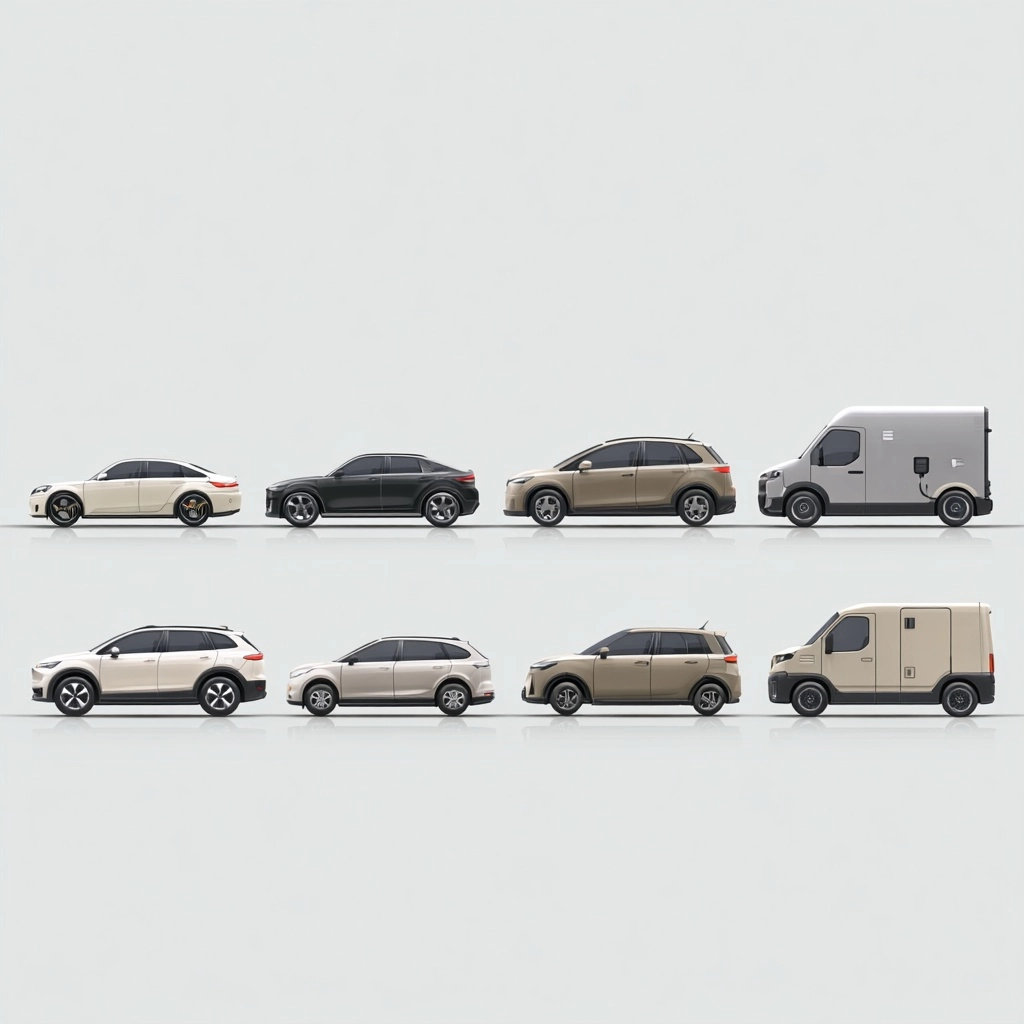
Passenger vehicles (sedans, hatchbacks, SUVs, minivans) prioritize comfort, safety features, and daily usability. Commercial vehicles (vans, pickup-based work trucks, light-duty delivery) focus on payload, durability, and uptime. Special-purpose vehicles (towing, utility, emergency or task-specific builds) prioritize equipment integration and compliance needs.
EVs and hybrids are not body types—they are powertrains that can appear across multiple vehicle shapes. That distinction matters when comparing ownership cost and charging/fueling constraints.
🛒 Recommended Product

- Body type affects space, visibility, and comfort.
- Use case (family, commute, work) should lead the decision.
- Powertrain drives fuel or energy cost and maintenance profile.
Fuel and Powertrain: What Changes for Owners
Powertrain choice changes daily convenience and long-term expense. Gasoline is widely available and predictable for mixed driving. Diesel can be efficient for high-mileage routes but may have different maintenance and emissions-system considerations. Hybrids blend an engine with an electric motor to improve efficiency, especially in stop-and-go driving. EVs reduce many routine maintenance items but depend on charging access and charging time planning.

| Item | Hybrid | Battery EV |
|---|---|---|
| Best fit | City plus highway mixed driving | Home or work charging access |
| Energy cost pattern | Lower than pure gasoline in traffic | Often lowest per mile if charging is convenient |
| Maintenance profile | Engine plus hybrid system | Fewer fluids; tire and brake wear still applies |
| Trip planning | Similar to gasoline | Charging stops may be needed |
Real Ownership Costs: What You Actually Pay
For most owners, total cost is more than the purchase price. Key buckets:
- Upfront: vehicle price, registration, initial fees.
- Fixed monthly or annual: insurance, taxes, parking (if applicable).
- Variable: fuel or charging, routine service, tires, unexpected repairs.
- Hidden: depreciation (resale value drop), financing interest.
Decision tip (conversational): If your budget feels tight, compare total monthly ownership (fuel or energy plus insurance plus expected maintenance) before you fall in love with a trim level.
How to Choose the Right Vehicle
Use this checklist to narrow options fast:
- Primary mission: commuting, family hauling, work cargo, long-distance travel.
- Driving environment: dense city, suburban, snow or steep terrain, frequent highway.
- Constraints: garage size, charging access, annual mileage, budget ceiling.
- Must-have specs: seating, cargo volume, safety systems, towing needs.
Quick rule: Choose the smallest vehicle that comfortably fits your everyday mission—then optimize powertrain for your mileage and charging or fueling reality.
Conclusion
You do not need a perfect vehicle—just the right match between use case, powertrain constraints, and total ownership cost. Start by locking your daily mission, then compare two or three models using the same cost buckets.
Practical next step (conversational): Write down your weekly driving pattern and where you would fuel or charge. That one habit prevents most expensive “wrong vehicle” regrets.
Need more details?