⚠️ This page connects you to Atovia’s partners and affiliate markets. We may receive a commission from affiliate partners for activities made through these links. Discount offers may change at any time according to policy! Rest assured, there are no additional costs to you! We hope this saves you time in finding the right items!
You’re in the driver’s seat, the wheels are whining, and the car feels like it’s sinking a little more with every push on the gas. Stop for a second. Here is one calm routine: check the exhaust, dig, add traction, rock gently, and know when to quit.
- Before you touch the gas: a quick safety check
- What you’ll need
- Which wheels should you dig out first?
- How to add traction under the drive wheels
- Traction aid comparison table
- How to rock the car out, step by step
- Should you turn off traction control?
- When to stop trying and call a tow
- Quick FAQ
- Your next step today
Before you touch the gas: a quick safety check
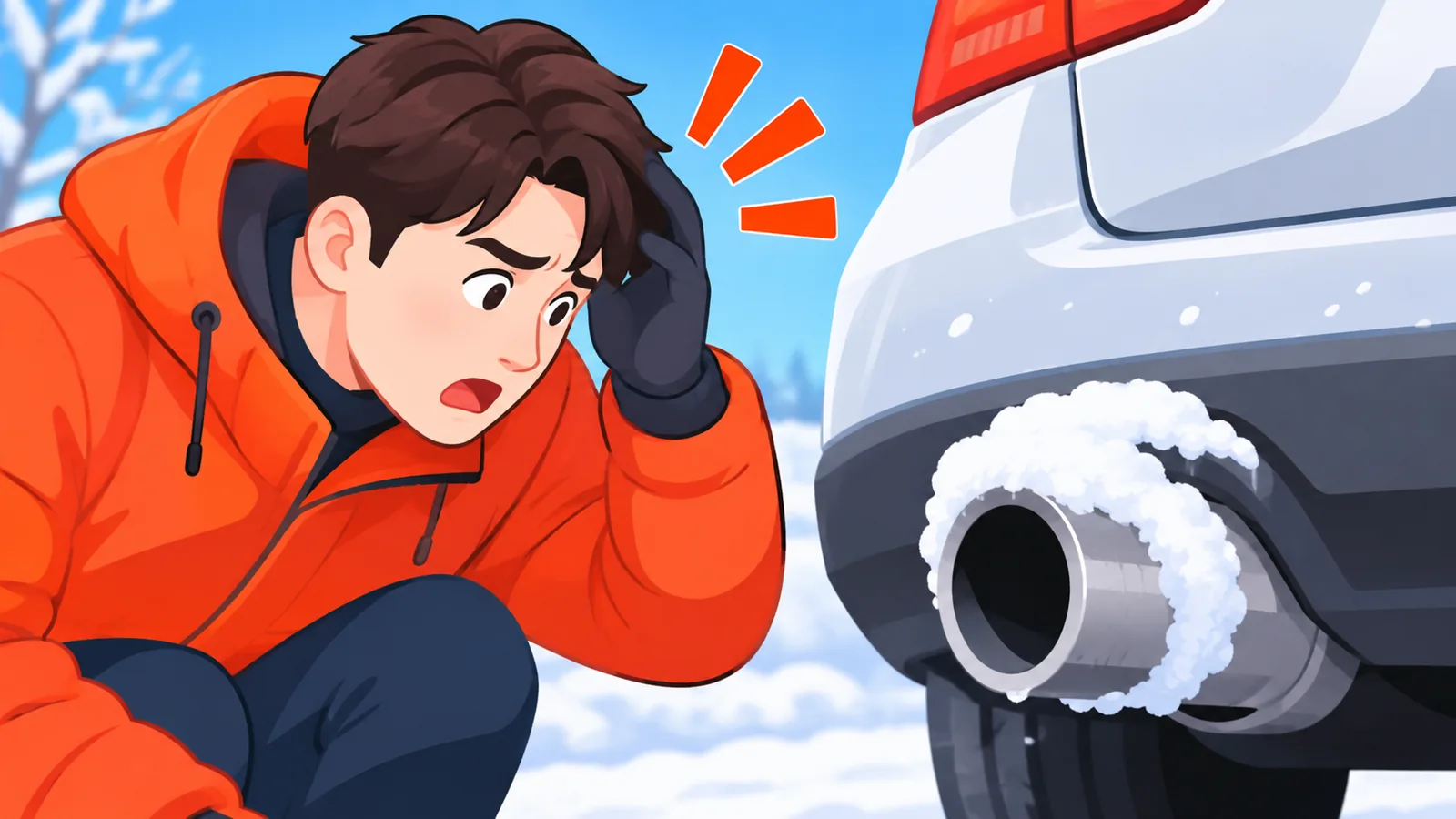
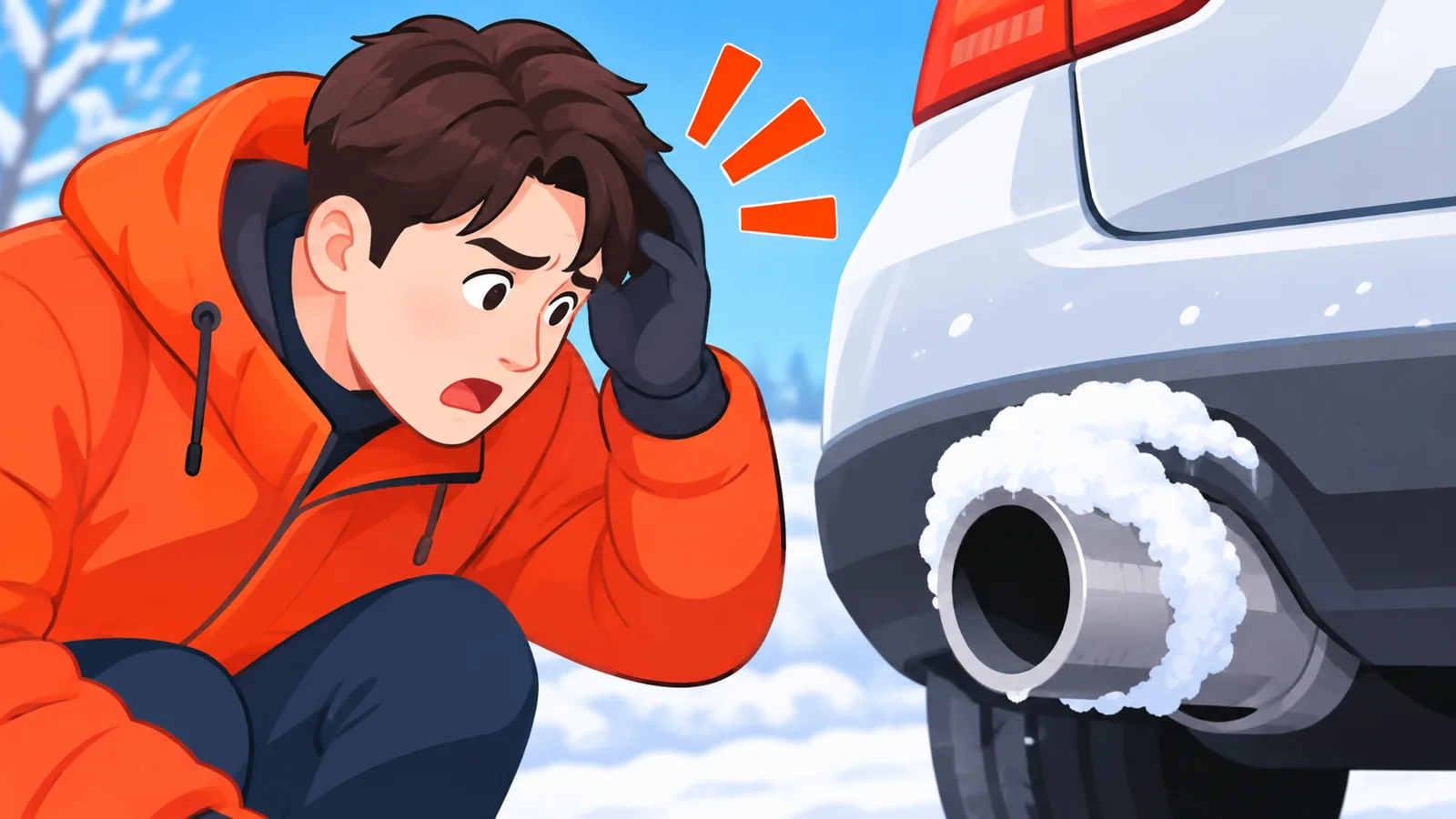
Check that the exhaust pipe is clear before you start the engine, because a snow-blocked pipe can let carbon monoxide into the cabin. It takes ten seconds, and it matters more than anything else on this list.
Why does the exhaust pipe matter?
If snow plugs the tailpipe while the engine runs, exhaust gas has nowhere good to go. It can seep into the car, and you may not notice the danger coming.
So get out, walk to the rear bumper, and clear the pipe with your hands or a shovel first.
When should you stop and call for help right away?
If you’re stranded in a snowstorm, don’t rely on escape attempts alone. Call for help and stay put, as long as you can keep the exhaust clear.
What you’ll need
A shovel, a traction aid, and a few minutes of patience are enough for most stuck-sedan situations.
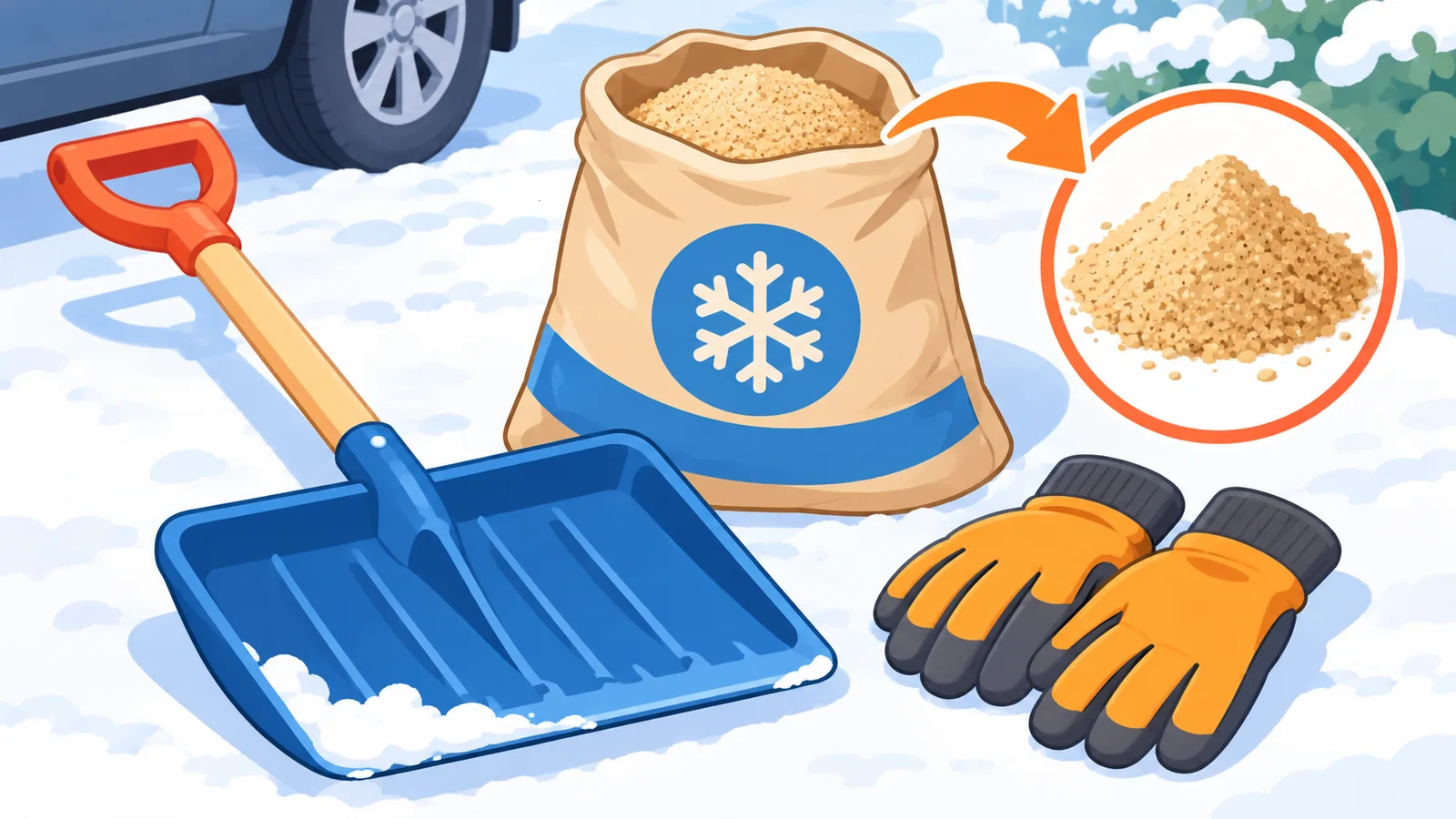
- A small shovel
- Sand or salt as a traction aid
- Floor mats or similar material (a common backup, not a method confirmed by the sources used here)
- Warm gloves
- A charged phone
Which wheels should you dig out first?
Start with the drive wheels. Sedans can be front-, rear-, or all-wheel drive, so don’t assume.
How do you find out your sedan’s drive type?
Your owner’s manual will say. It’s an easy thing to guess wrong, and then you spend ten minutes digging out the wrong end of the car.
How much snow should you clear?
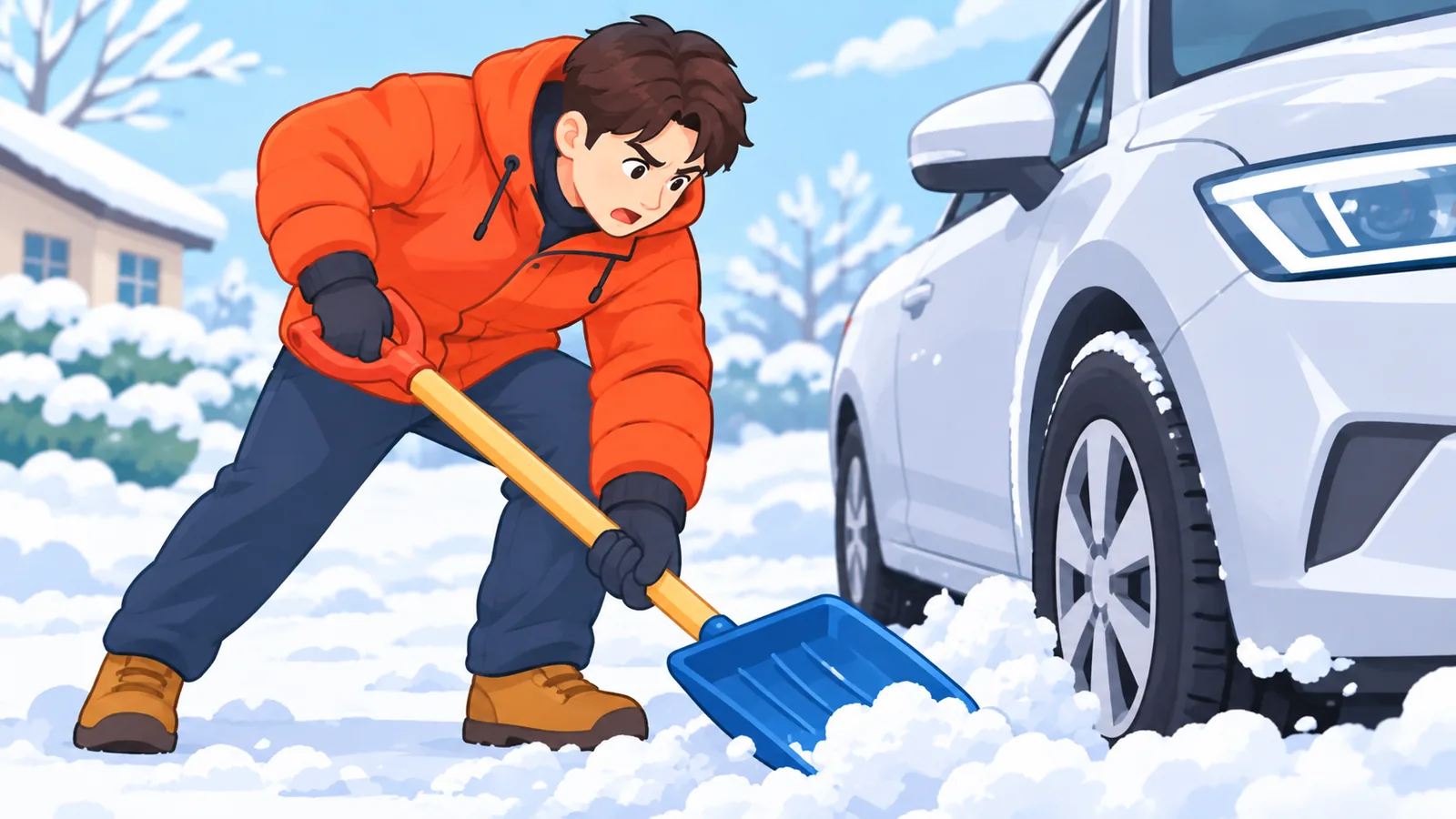
Clear the snow and ice around the drive tires down to the pavement. Then clear the snow under the car too, since snow packed against the underbody can keep the car from moving.
A short-handled shovel makes the underbody part much easier.

How to add traction under the drive wheels
Put sand or salt in front of, or behind, the drive wheels so the tires have something to grip. Aim for a path the tires can roll onto, not a single pile.
Safety first: keep bystanders away from the car. A spinning wheel can fling material or lurch toward people.

🛒 Recommended Product
- Clear the exhaust pipe before starting the engine.
- Dig out the drive wheels first, plus the snow under the car.
- Keep people well clear while the tires are turning.
- If a few short tries fail, change methods or call a tow.
Traction aid comparison table
Sand and salt are the two aids named in the sources used here. Floor mats are a general-knowledge option and are labeled that way below.
| Option | Where to place it | Best for | Watch out for |
|---|---|---|---|
| Sand | In front of or behind the drive wheels | Giving tires something to grip | Keep people clear of the wheels |
| Salt | In front of or behind the drive wheels | Giving tires something to grip | Keep people clear of the wheels |
| Floor mats (general knowledge) | Under the front edge of the drive tires | A last-resort backup when you have nothing else | Not verified by the sources here; mats can shoot out from under the tire |

How to rock the car out, step by step
Straighten the front wheels, accelerate slowly, and alternate between forward and reverse, with a full stop and brake before each gear change.
- Line up the front wheels with the rear wheels so they point straight ahead.
- Press the gas gently and move in one direction, say a little in reverse.
- When the car stops moving, press the brake.
- Shift to the opposite gear.
- Accelerate slowly the other way, and keep repeating this back-and-forth.
Why not floor it?
Over-spinning the tires can polish snow into ice, deepen the ruts, and damage the transmission. Slow and steady gets you further than a loud engine.
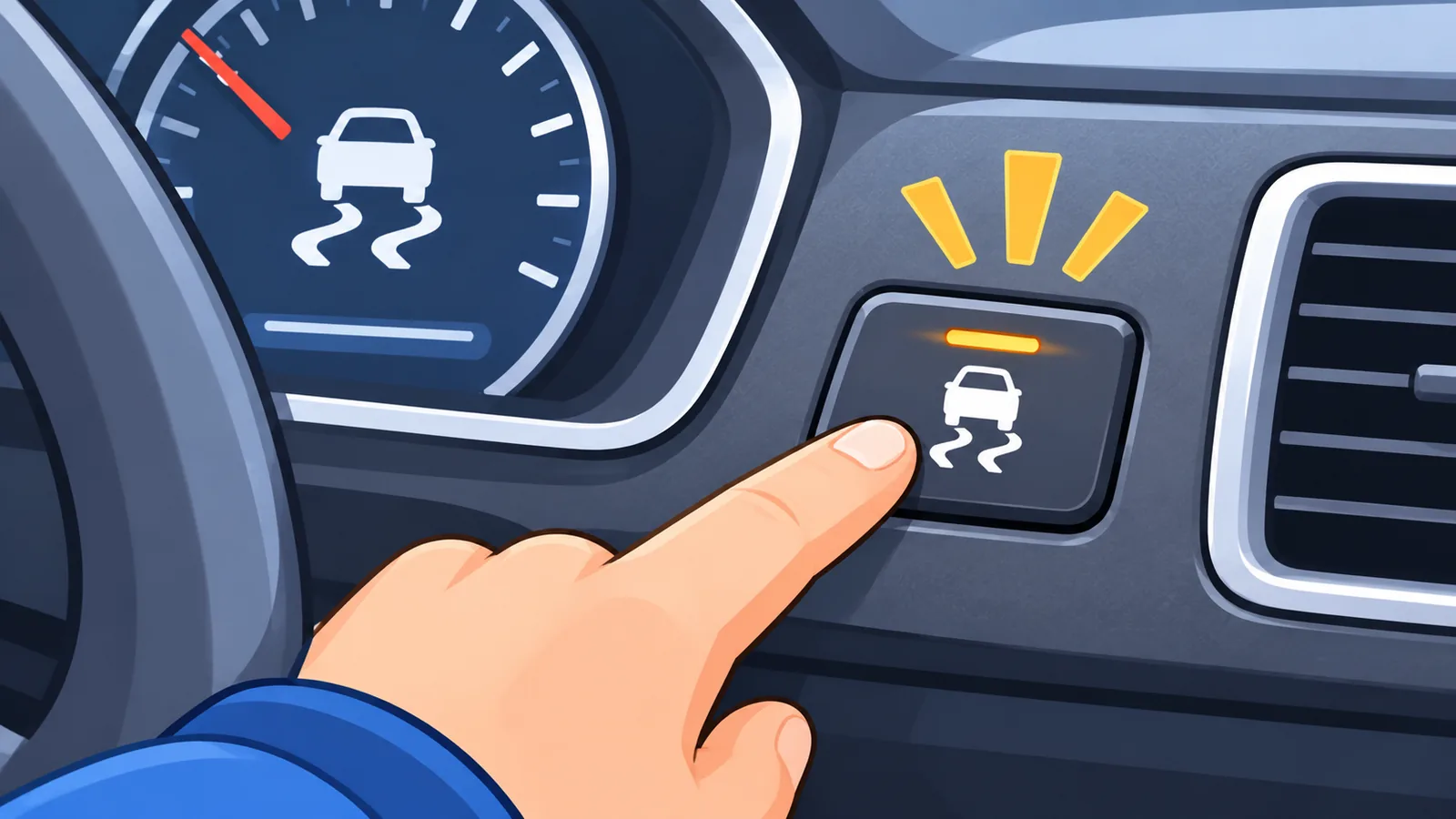
Should you turn off traction control?
Not as a rule. Follow your owner’s manual, because procedures vary by model.

Here’s one example. Honda’s 2023 HR-V manual says to turn stability control off briefly only if the car is stuck in shallow mud or fresh snow and can’t get out with the system on. It says to turn it back on right after you’re free, and it doesn’t recommend driving with it off. Your car may differ, so check your own manual.
When to stop trying and call a tow
If a few short attempts don’t work, switch methods, and if several methods fail, call for a tow. Spinning on past that point mostly buries the car deeper.
- The car hasn’t moved after a few short tries.
- The wheels keep digging in deeper.
- You can’t keep the exhaust pipe clear.
- You’re in a snowstorm or stopped near a busy road.

Quick FAQ
Can I press the gas harder to power out?
No. Hard wheelspin can turn snow to ice, deepen the ruts, and harm the transmission.
Does my sedan’s drive type change what I dig first?
Yes. Dig out the drive wheels first, and check your manual if you’re not sure which they are.
Is it safe to run the engine for heat while stuck?
Only after you’ve confirmed the exhaust pipe is clear.
Do I need to turn off traction control?
It depends on your manual. Some manufacturers allow a brief shut-off in specific conditions, but it isn’t a blanket rule.
Your next step today
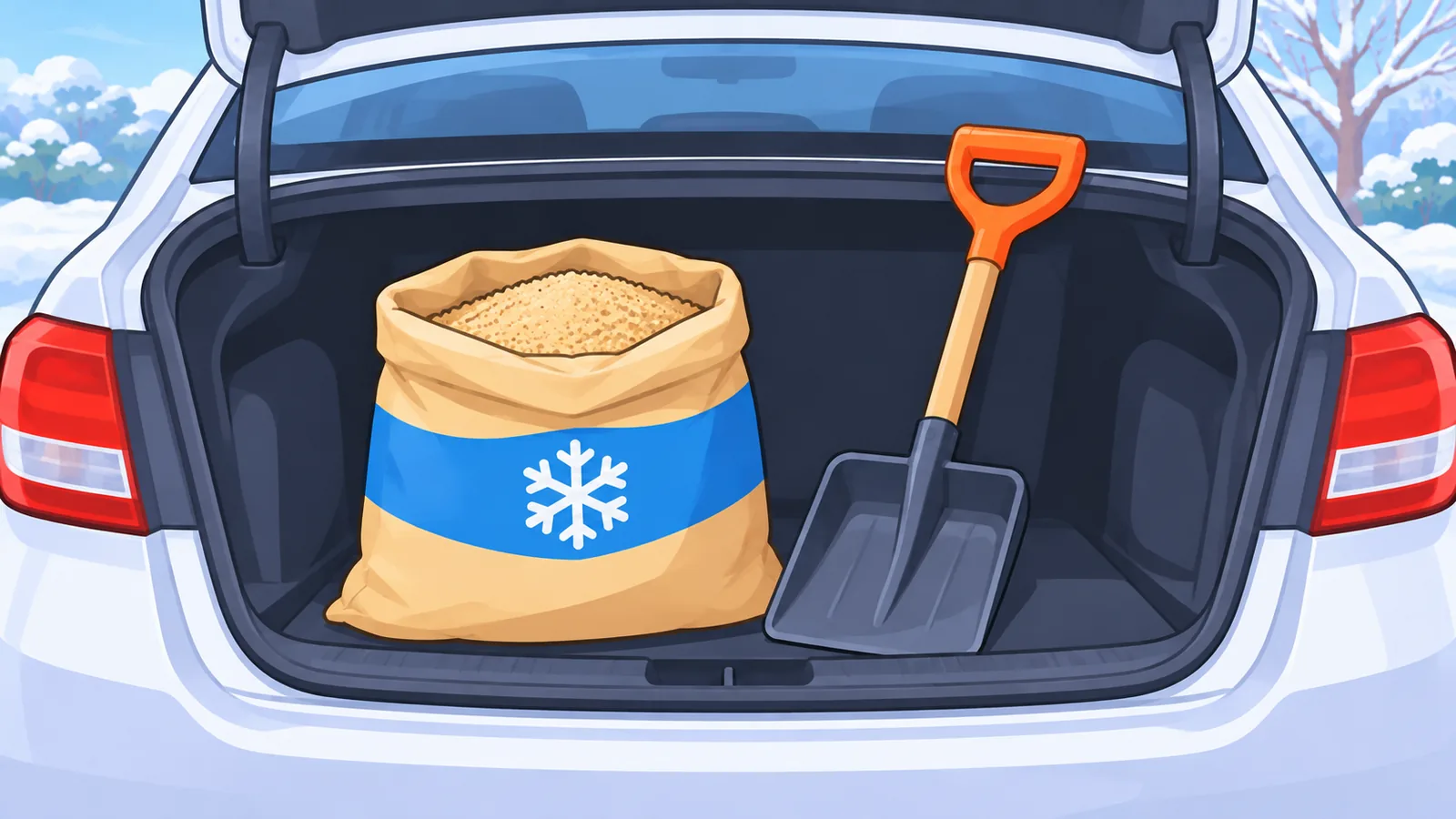
Open your owner’s manual and read the traction control section. Then put a small shovel and a bag of sand or salt in the trunk before the next storm.
- J.D. Power, How to Get a Car Out of Snow
- Société de l’assurance automobile du Québec, Driving a Passenger Vehicle
- AAA, How To Dig Your Car Out From the Snow
- Honda, 2023 HR-V Owner’s Manual: Vehicle Stability Assist (VSA), aka Electronic Stability Control (ESC), System
Want more comparisons and buying guides?