⚠️ This page connects you to Atovia’s partners and affiliate markets. We may receive a commission from affiliate partners for activities made through these links. Discount offers may change at any time according to policy! Rest assured, there are no additional costs to you! We hope this saves you time in finding the right items!
You are about to turn 18, or you have never been on the voter list, and the form looks like a maze of boxes and attachments. Form 6 is the Election Commission of India’s application for new voter registration, and it is easier than it looks when you go in the order the form asks.
This guide covers India only. It walks through who can apply, how to fill each part, which documents to attach, and where to submit.
- What Form 6 Is and Who Should Use It
- Form 6, Form 7 or Form 8: Which One Do You Need?
- Before You Begin: What to Have Ready
- Step-by-Step: Filling Out Form 6
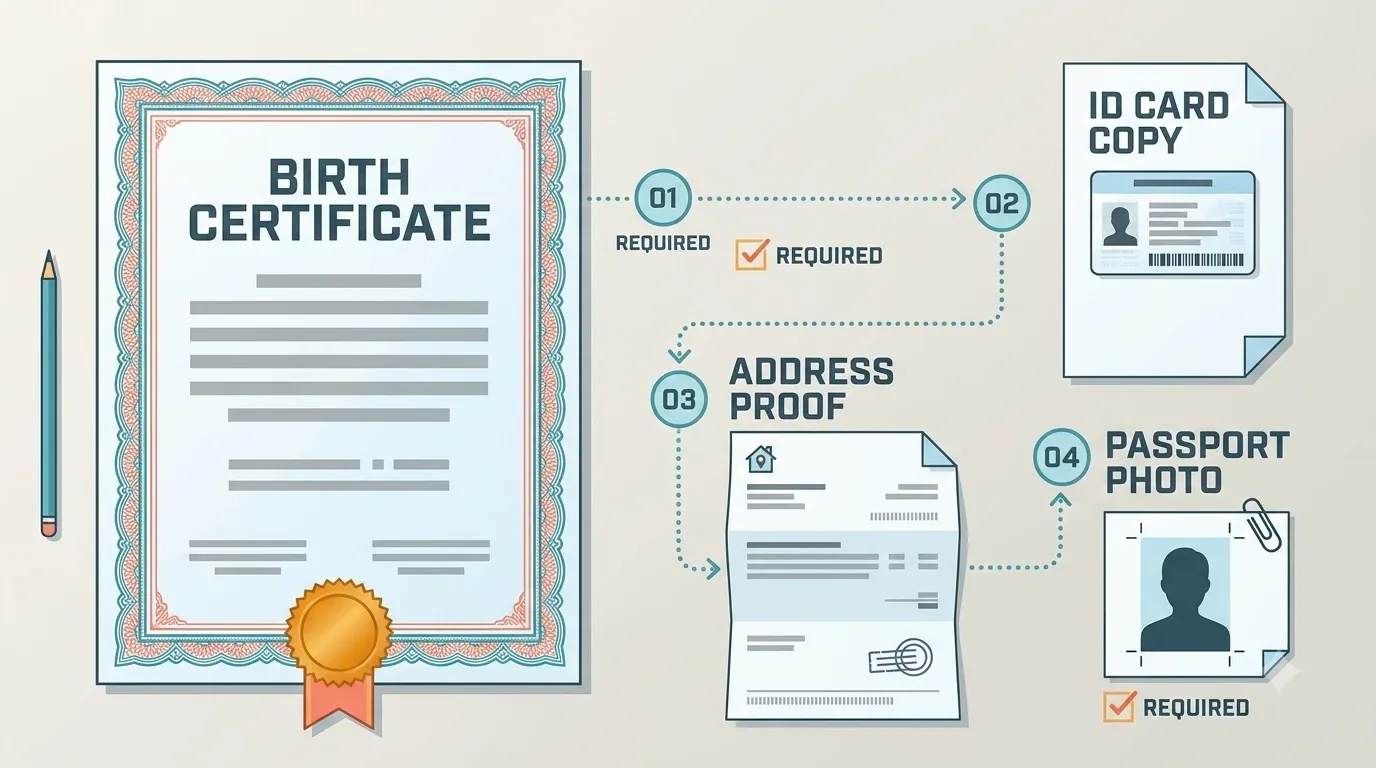
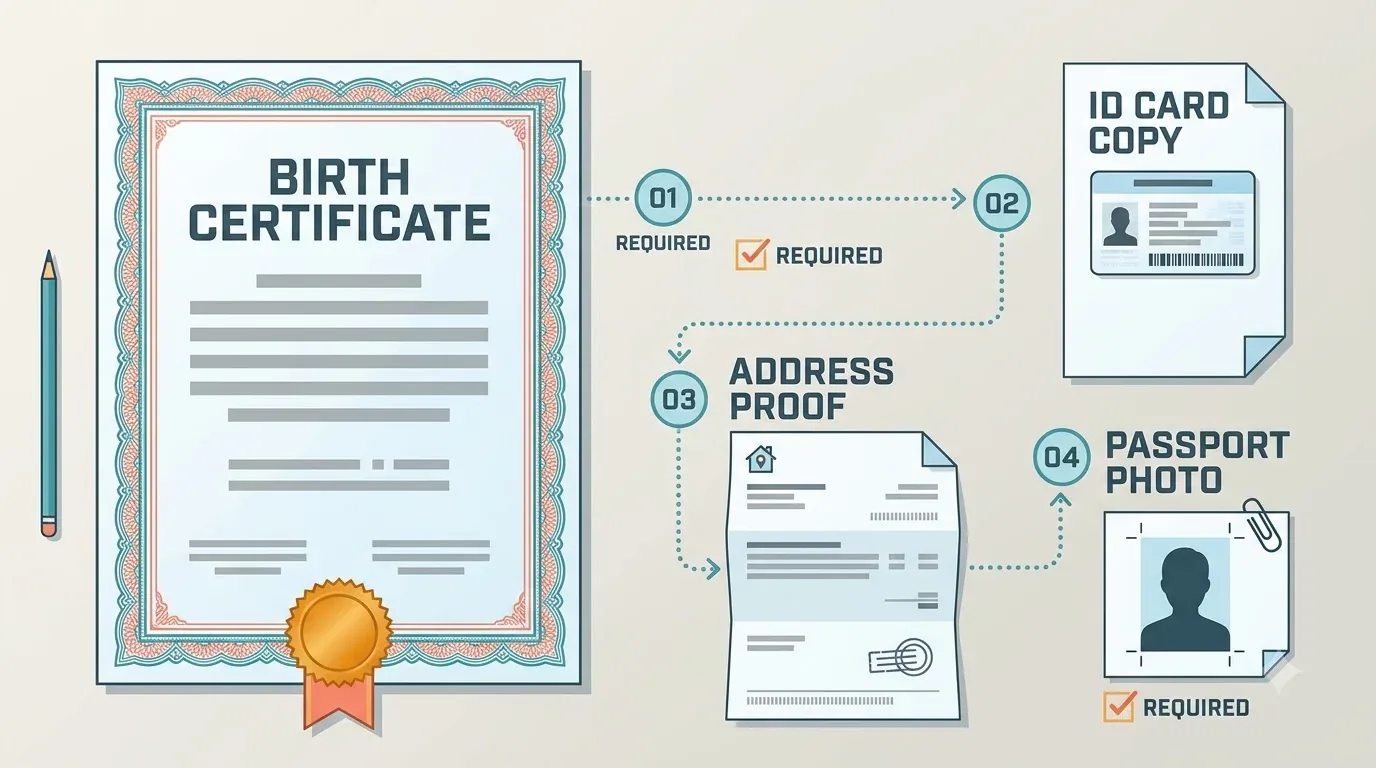
- Supporting Documents: Proof of Age, Proof of Address and Photo
- Where and How to Submit Your Application
- Common Mistakes to Avoid
- The Declaration: Why Honest Answers Matter
- Frequently Asked Questions
- Final Checklist and Next Step
- Form 6 is only for new registration on the electoral roll.
- It is addressed to the Electoral Registration Officer (ERO) of the constituency where you live.
- The form has an option for applicants who do not have an Aadhaar number.
- The photo should be 4.5 x 3.5 cm, in color, with a white background.
What Form 6 Is and Who Should Use It
Form 6 is the application for adding your name to India’s voter list for the first time. The official Citizen Service Portal of the Election Commission of India presents it as the new-voter form.
It is meant for people who are 18 or older, or who will turn 18 within a few months. The form is written to the Electoral Registration Officer (ERO), the official responsible for the voter list in your constituency.
Here’s a detail that calms a lot of first-timers. If you do not know your constituency number or name, that alone does not get your application rejected, and the ERO can help.
Form 6, Form 7 or Form 8: Which One Do You Need?
Use Form 6 only if you are not yet on the roll. Other situations point to different forms on the same portal.
| Form | Purpose | Use it when |
|---|---|---|
| Form 6 | New registration | You are applying to join the voter list for the first time |
| Form 7 | Deletion or objection | A name should be removed from the roll |
| Form 8 | Corrections, address shift, replacement card | You are already registered and details changed |
So if you already have a voter ID and have moved, look at Form 8 rather than filling a fresh Form 6. This guide does not cover how to fill Forms 7 or 8.
Before You Begin: What to Have Ready
Gather your documents and a recent photo before you open the form. It saves a lot of stopping and starting.
- A document that proves your date of birth
- A document that proves your address
- A recent passport-size color photo
- Your Aadhaar number, if you have one
- A mobile number and email address, if available
- Your constituency details, if you know them

You can fill the form in English or in the official language of your state. Check the current official form and your state election office, since older FAQs may list different details.
Step-by-Step: Filling Out Form 6
Work from top to bottom and keep every entry consistent with the documents you attach.
- Address the form to the ERO of your constituency.
- Enter your personal details.
- Enter the details of your relative.
- Add contact details where available.
- Give your Aadhaar details, or choose the option saying you do not have a number.
- Enter your date of birth.
- Write your full address with the PIN code.
- Attach your documents and photo.
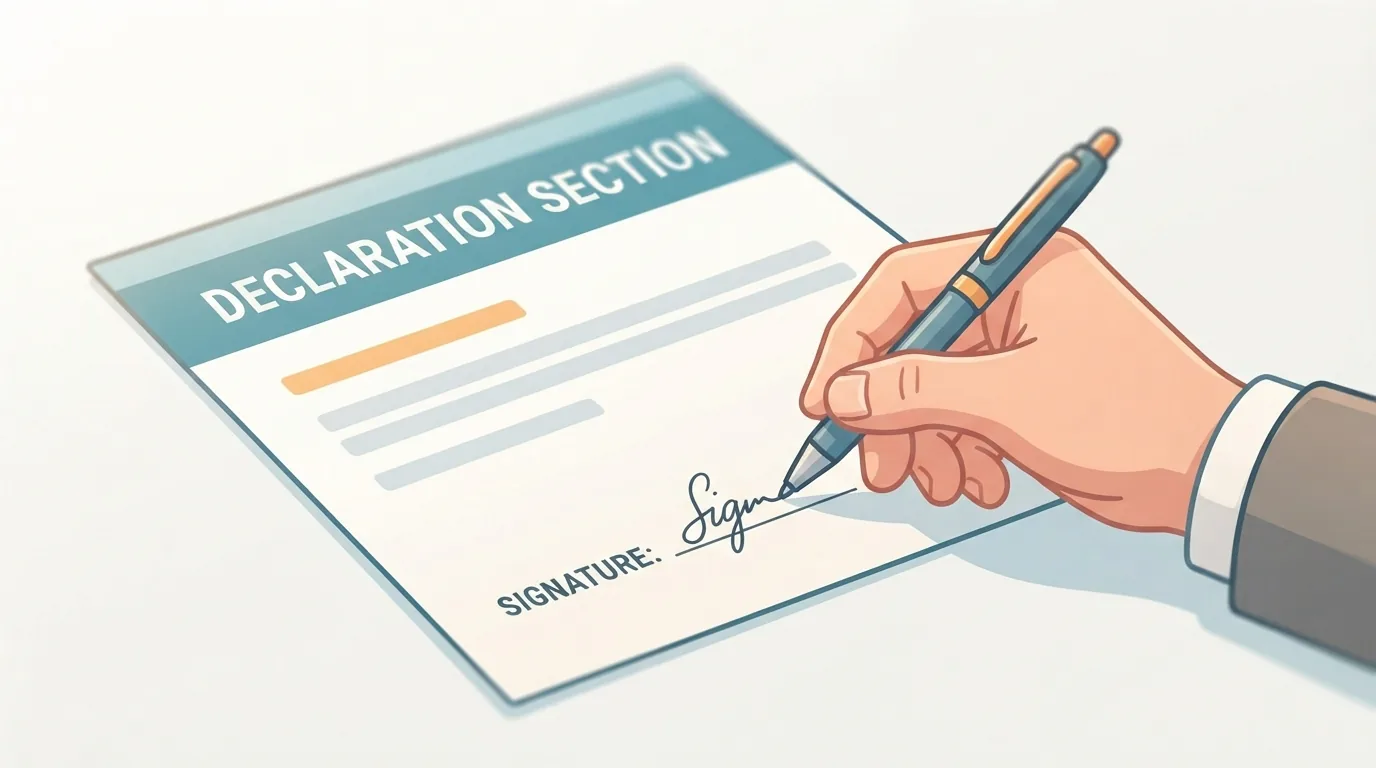
- Sign the declaration.
How do I write my name and my relative’s name?
Write each name in the official language of your state and in English. The guidelines explain why: if you enter only one language, the system may transliterate the other and introduce spelling errors.

How do I enter my date of birth and address?
Match your date of birth to the document you attach. Write the complete address with the PIN code.
Students can register using a parent’s address, or the hostel or mess address where they actually live. The mobile number and email fields are to be filled if available, and can be your own or your relative’s.
What if I don’t have an Aadhaar number?
The form has a choice to state that you do not have an Aadhaar number and cannot provide it. The Delhi Chief Electoral Officer’s FAQ also treats Aadhaar as voluntary, but check the current official form for your state.
Supporting Documents: Proof of Age, Proof of Address and Photo
You attach one document for date of birth, one for address, and a photo.

🛒 Recommended Product
| Item | What the guidelines say |
|---|---|
| Date of birth proof | Examples listed on the form: birth certificate, Aadhaar card, PAN card, driving license, Class 10 or 12 certificate showing date of birth, Indian passport |
| Address proof | Self-attested copy of a document in the name of the applicant, a parent or the spouse |
| Photo | Recent, unsigned, color passport-size, white background, front-facing, 4.5 x 3.5 cm |
One caution. Details in older FAQs may differ from the current guidelines, so follow the latest official form.
Where and How to Submit Your Application
You can submit online through the voter services portal, or on paper through your local election office.
According to the Delhi Chief Electoral Officer’s FAQ, offline routes include:
- Handing the form with documents to the ERO or the Assistant ERO
- Posting it to the office
- Giving it to the Booth Level Officer (BLO) for your area
For online applications, you also upload copies of your proof documents. Other states may differ, so confirm with your state election office. The Citizen Service Portal is the official starting point, and you can follow its on-screen prompts from there.
Common Mistakes to Avoid
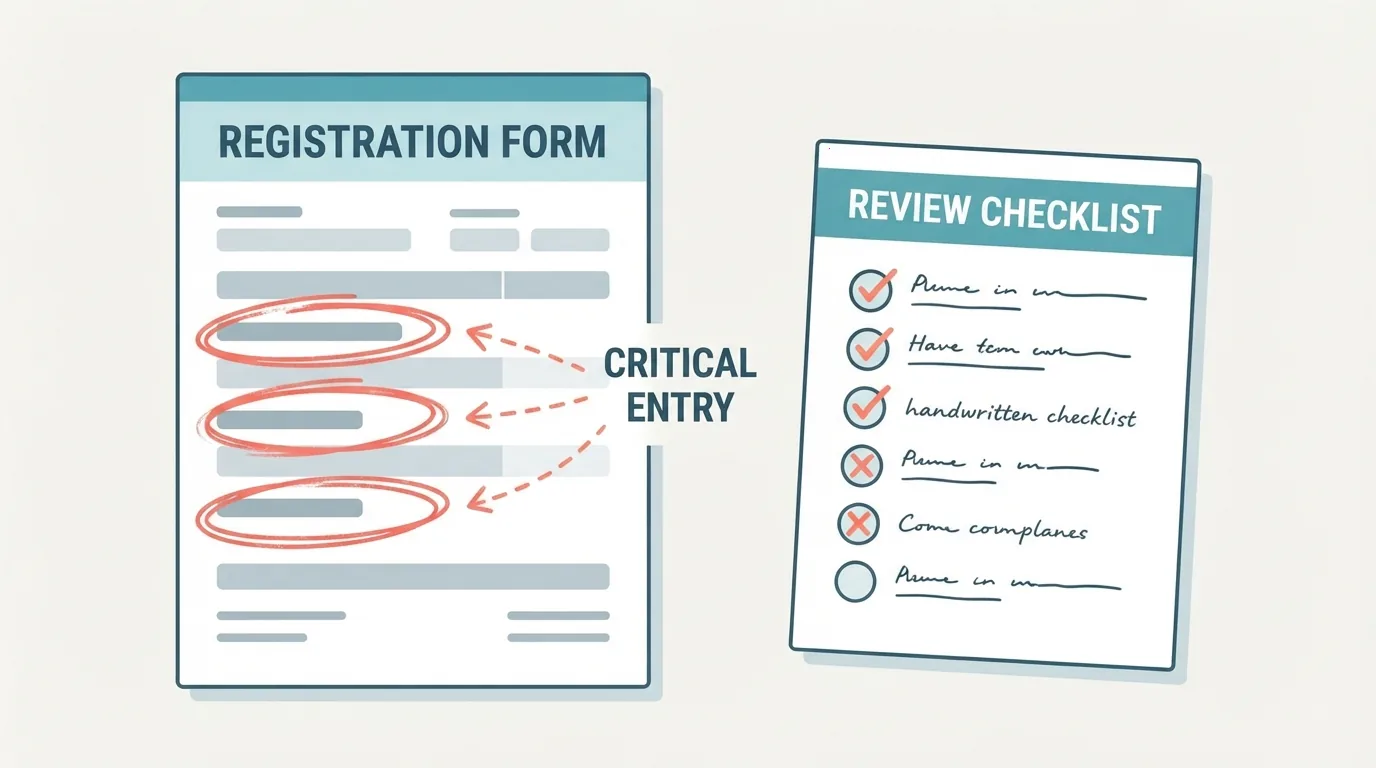
Most problems come from details that are missing or do not match.
- Writing the name in only one language
- Leaving out the PIN code in the address
- Attaching a document that does not match the date of birth you entered
- Using a photo that does not meet the stated format
- Using Form 6 when Form 7 or Form 8 is the right form
- Forgetting to attach your documents
The Declaration: Why Honest Answers Matter
The declaration is a formal statement, and the form’s guidelines warn that false statements are punishable.
Be accurate about your eligibility, your address and whether you are already registered elsewhere. If you are already on a roll and have moved, check Form 8.
Frequently Asked Questions
Can I apply before turning 18? Official guidance covers people who will turn 18 within a few months.
Do I need Aadhaar? The form lets you state that you do not have a number.
Which language should I use? English or the official language of your state.
I already have a voter ID and I moved. Which form? Form 8, not Form 6.
Do I have to know my constituency? Not necessarily. The ERO can help.
Can I submit by post? Yes, according to the Delhi Chief Electoral Officer’s FAQ. Other states may differ.
Final Checklist and Next Step
In short, confirm that you need Form 6, fill each part in both languages where asked, and attach matching documents.
- Right form chosen
- Name in both languages
- Full address with PIN code
- Date of birth matches your proof
- Photo meets the format
- Declaration answered honestly
Today, open the official portal, start the current Form 6, and lay your documents next to it before you fill in anything.
- Election Commission of India: Citizen Service Portal
- Election Commission of India: Guidelines for Filling up the Application Form-6
- Election Commission of India: Form-6, Application Form for New Voters
- Chief Electoral Officer, Delhi: Voter Services Electoral Roll FAQs
- Election Commission of India: Forms Dashboard
- Union Territories Election Commission: FAQs (last updated July 23, 2024)
Want more comparisons and buying guides?