
⚠️ This page connects you to Atovia’s partners and affiliate markets. We may receive a commission from affiliate partners for activities made through these links. Discount offers may change at any time according to policy! Rest assured, there are no additional costs to you! We hope this saves you time in finding the right items!
If you want a career that pays well above the national median, the highest-paying U.S. occupations cluster into a short list of fields: advanced healthcare practice, specialized engineering and IT, aviation safety, and licensed financial risk work. Based on the latest published Bureau of Labor Statistics wage data, this guide ranks the roles, shows what each one actually requires, and explains why the highest number on a chart isn’t always the best choice for you.
As an Amazon Associate I earn from qualifying purchases.
🛒 Recommended Product
- Top High-Paying Jobs in the USA
- Salary Comparison Table
- How We Ranked These Jobs
- Education and Training Requirements
- Job Growth and Future Outlook
- Why Salary Should Not Be Your Only Factor
- How to Choose the Right High-Paying Career for You
- Common Mistakes When Chasing High Salaries
- Frequently Asked Questions
- The highest-paying roles cluster in advanced healthcare practice, specialized engineering, cybersecurity, and licensed technical trades.
- Education requirements vary widely: some top-paying roles need a doctoral degree, others need only a high school diploma plus certified on-the-job training.
- BLS suppresses exact median wages above roughly $239,200, which is why the very top of the healthcare pay scale is reported as “above” a threshold rather than an exact figure.
- Job growth outlook and cost of living can matter as much as the sticker-price salary when comparing two careers.
Top High-Paying Jobs in the USA
These roles consistently rank among the highest-paying occupations tracked by the BLS Occupational Employment and Wage Statistics program, based on the most recently published national median wage data.
- Physicians and Surgeons — Median wage is not published because it exceeds the BLS reporting ceiling of about $239,200. Fits candidates willing to commit to a decade or more of medical school, residency, and licensing.
- Nurse Anesthetists — Median wage is above $200,000, among the highest of any master’s-degree-entry occupation. Fits registered nurses ready to pursue advanced clinical specialization.
- Physician Assistants — Median annual wage of $133,260. Fits candidates who want physician-level clinical responsibility with a shorter training path than medical school.
- Air Traffic Controllers — Median annual wage of $144,580. Fits detail-oriented candidates comfortable with high-pressure, safety-critical work and FAA Academy training.
- Information Security Analysts — Median annual wage of $124,910. Fits candidates with a technical background who want strong demand without a graduate degree.
- Nurse Practitioners — Median annual wage above $100,000, with one of the highest annual job-opening volumes among top-paying master’s-level roles. Fits nurses seeking more clinical autonomy.
- Computer and Information Systems Managers — Median annual wage well above $100,000. Fits experienced technologists moving into leadership.
- Actuaries — Median annual wage in the six-figure range. Fits candidates strong in statistics and willing to complete a multi-year professional exam track.
- Radiation Therapists — Median annual wage of $101,990. Fits candidates who want a high-paying clinical role with an associate-degree entry point.
- Elevator and Escalator Installers and Repairers — Median annual wage of $106,580. Fits candidates who prefer a skilled trade with apprenticeship training over a four-year degree.

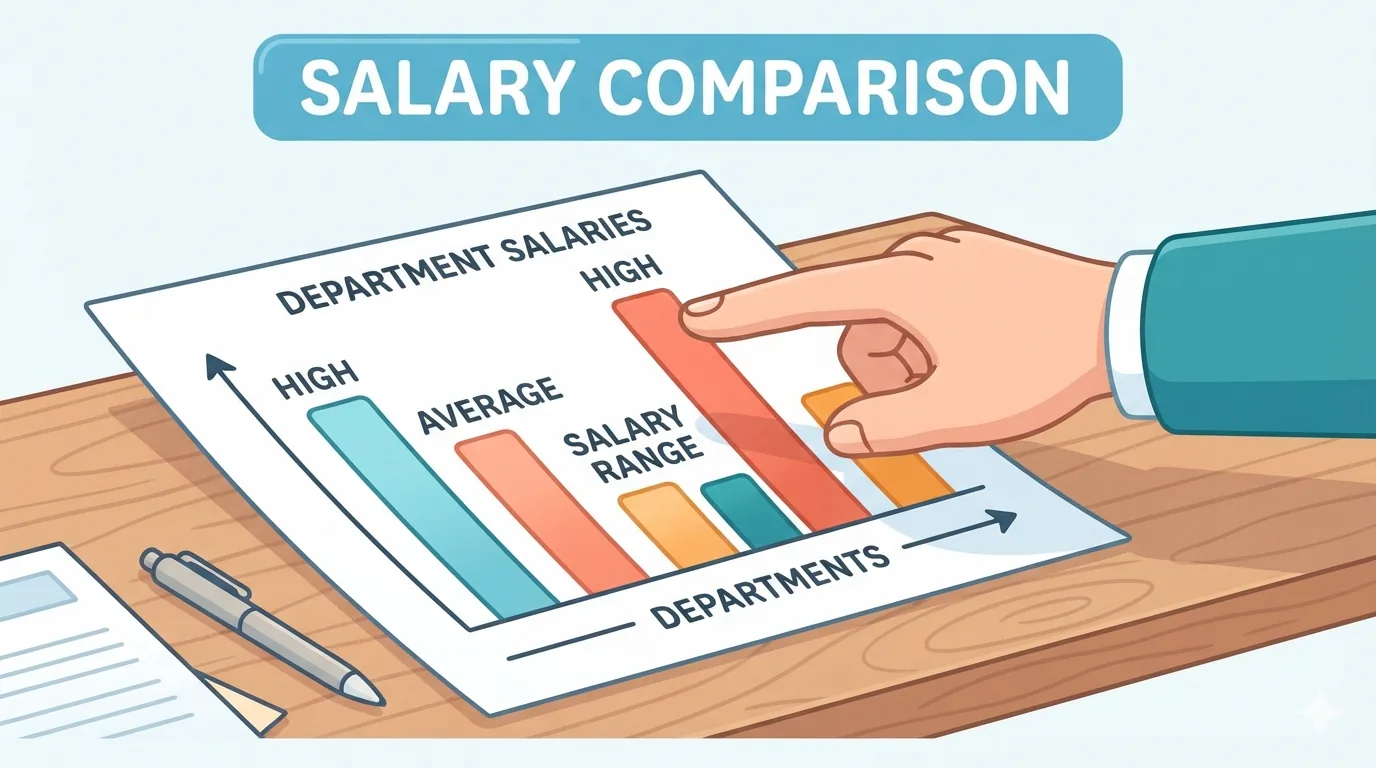
Salary Comparison Table
| Role | Median Salary | Education Required | Job Growth Outlook |
|---|---|---|---|
| Physicians and Surgeons | Above $239,200 (BLS ceiling) | Doctoral or professional degree | Faster than average |
| Nurse Anesthetists | Above $200,000 | Master’s degree | Much faster than average |
| Air Traffic Controllers | $144,580 | Associate degree + FAA Academy | Average |
| Physician Assistants | $133,260 | Master’s degree | Much faster than average |
| Computer and Information Systems Managers | Six figures (well above $100,000) | Bachelor’s degree | Faster than average |
| Information Security Analysts | $124,910 | Bachelor’s degree | Much faster than average |
| Actuaries | Six figures | Bachelor’s degree + professional exams | Faster than average |
| Elevator and Escalator Installers/Repairers | $106,580 | High school diploma + apprenticeship | Faster than average |
| Radiation Therapists | $101,990 | Associate degree | Average |
| Nuclear Power Reactor Operators | Six figures, among highest for non-degree roles | High school diploma + licensed training | Slower than average |
How We Ranked These Jobs
Rankings use median annual wage from the most recently published BLS Occupational Employment and Wage Statistics as the primary metric, alongside the BLS-projected job growth outlook and the typical entry-level education or training required. Where a specific 2026 figure was not yet published at the time of writing, this guide uses the qualitative outlook category (such as “faster than average”) instead of an invented percentage.

Education and Training Requirements
High-paying careers reach that pay level through three distinct paths. Degree-based paths, such as physicians, nurse anesthetists, and computer and information systems managers, require a bachelor’s degree at minimum and often a master’s or doctoral degree plus licensing exams. Certification and shorter-training paths, such as information security analysts, can reach six figures with a bachelor’s degree and industry certifications rather than a graduate degree. Licensed trade and technical paths, such as elevator and escalator installers or nuclear power reactor operators, reach high wages through a high school diploma combined with a formal apprenticeship or licensed on-the-job training program, without a four-year degree.

Job Growth and Future Outlook
Advanced practice healthcare roles, such as nurse anesthetists and physician assistants, show among the strongest projected demand due to an aging population and expanded scope-of-practice laws. Cybersecurity and technology management roles also show strong projected growth as organizations continue increasing security and IT infrastructure spending. Roles tied to more stable or shrinking infrastructure, such as nuclear power reactor operators, show slower projected growth since new plant construction in the U.S. has been limited.

Why Salary Should Not Be Your Only Factor
A $150,000 salary in a high-cost metro area can leave less disposable income than a $90,000 salary in a lower-cost region, so comparing raw salary figures across locations can be misleading. High-paying clinical and technical roles also often carry higher burnout risk, irregular hours, or high-stakes responsibility, which matters for long-term career satisfaction. Finally, a role with strong short-term pay but a slower growth outlook may offer less long-term security than a slightly lower-paying role in a rapidly expanding field.
🛒 Recommended Product
How to Choose the Right High-Paying Career for You
- Identify whether your core interests align with hands-on clinical work, technical/analytical work, or licensed trade work — the three main paths to high pay.
- Check your aptitude fit: strong quantitative skills point toward actuarial or cybersecurity paths, strong clinical aptitude points toward advanced nursing or physician assistant paths.
- Calculate the real time investment, including years of school, residency, apprenticeship, or exam preparation, not just the sticker-price degree length.
- Confirm you have the financial runway to cover tuition or reduced income during training, especially for multi-year graduate paths.
- Weigh your risk tolerance for job structure: salaried employment (IT management) versus licensed, safety-critical work (air traffic control) versus clinical shift work (nursing, radiation therapy).

Common Mistakes When Chasing High Salaries
- Ignoring cost of living: comparing a national median salary without adjusting for the cost of living in the metro area where you’d actually work.
- Underestimating time-to-credential: treating a master’s or doctoral-level career as equivalent in time investment to a bachelor’s-level one.
- Overlooking job security and growth trend: choosing a role based only on today’s median wage without checking its projected growth outlook.

Frequently Asked Questions
What is the highest paying job in the USA?
Physicians and surgeons top BLS wage data, though the exact median isn’t published because it exceeds the bureau’s reporting ceiling of about $239,200.

Do you need a college degree to earn a high salary?
No. Roles like elevator and escalator installers and nuclear power reactor operators reach six-figure pay through apprenticeships and licensed training rather than a four-year degree.

Which high-paying jobs have the best job security?
Advanced practice healthcare roles, such as nurse anesthetists and physician assistants, and cybersecurity roles currently show among the strongest projected growth outlooks.

How does location affect salary for these jobs?
The same job title can pay significantly more or less depending on the metro area, and a higher nominal salary in an expensive city may provide less real purchasing power than a lower salary elsewhere.
- U.S. Bureau of Labor Statistics, Occupational Outlook Handbook
- U.S. Bureau of Labor Statistics, Occupational Employment and Wage Statistics (OEWS)
Want more comparisons and buying guides?