
⚠️ This page connects you to Atovia’s partners and affiliate markets. We may receive a commission from affiliate partners for activities made through these links. Discount offers may change at any time according to policy! Rest assured, there are no additional costs to you! We hope this saves you time in finding the right items!
- Start with a Simple Campaign Plan
- Know Your Voters Before You Spend a Dollar
- Build a Message People Can Repeat
- Door-Knocking and Voter Contact Ideas
- Digital and Social Media Ideas
- Events and Community Visibility Ideas
- Fundraising Ideas That Work for Small Campaigns
- Volunteer Recruitment and Retention Ideas
- Campaign Tools and Supplies Compared
- Pre-Launch Checklist, FAQ, and Next Step
You have a limited budget, a short calendar, and a lot of voters to reach. This guide sorts campaign ideas by cost and effort, then pairs each one with the supplies that make it work.
As an Amazon Associate I earn from qualifying purchases.
🛒 Recommended Product
Start with a Simple Campaign Plan
A good plan fits on one page: goal, target voters, message, budget, and calendar. If you cannot explain your plan in a minute, it is too complicated to run with volunteers.
What should a first campaign plan include?
- A clear goal, such as the number of votes you need to win.
- The voters you must reach to get there.
- Your message in one sentence.
- A budget split across contact, materials, and digital.
- A calendar built backward from Election Day.
How early should you start?
Start as early as your local filing rules allow. Sign printing, volunteer recruiting, and fundraising all take longer than most first-time candidates expect.
Know Your Voters Before You Spend a Dollar
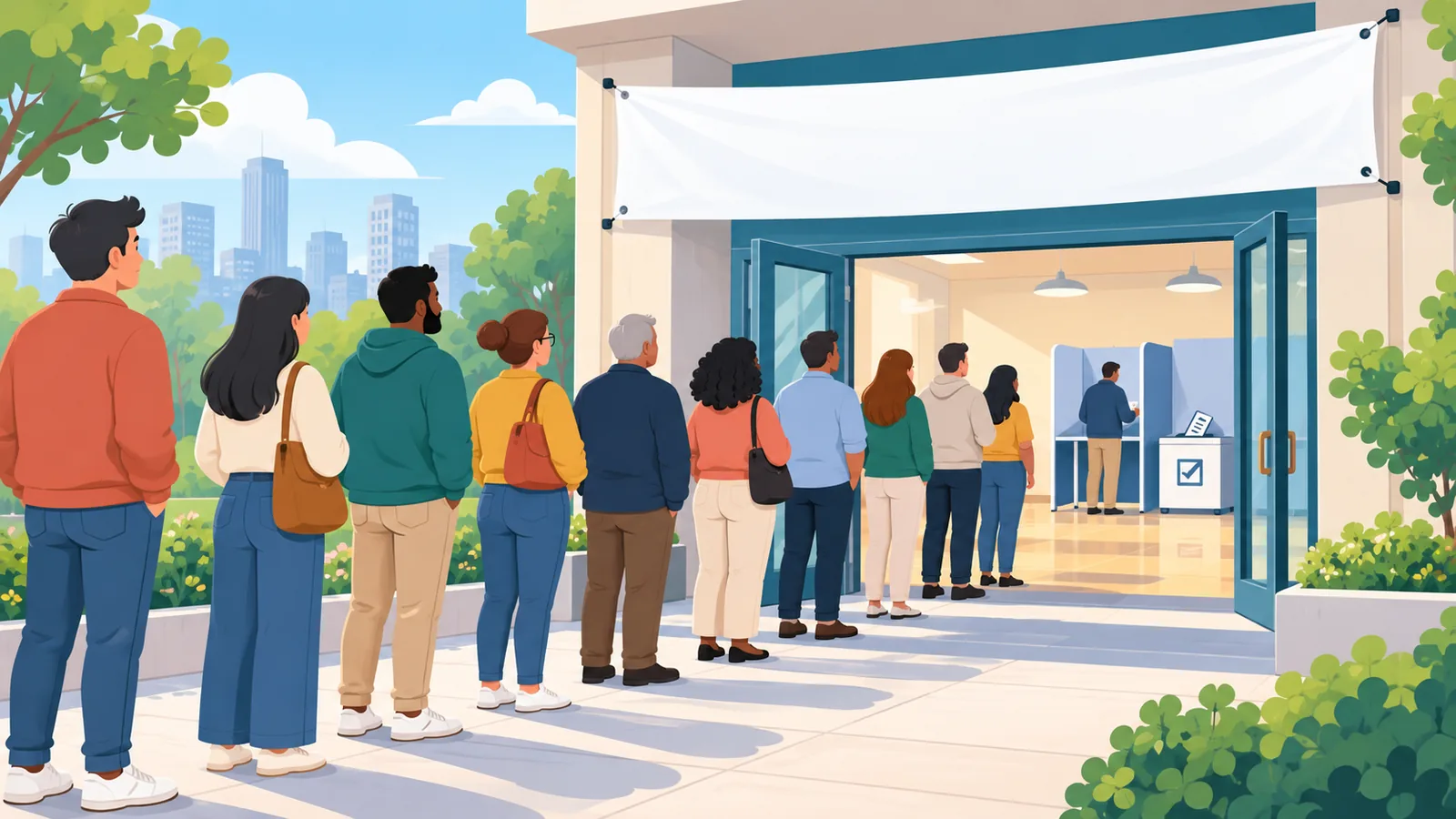
Start with the voters who decide the race, not everyone. Most local races are won by reaching a specific slice of the electorate several times.
How do you find your target voters?
Look at who voted in the last two or three comparable elections in your district. Households that vote regularly and are undecided are usually your best use of time, while sure supporters need only a reminder to vote.
Where do you get voter file and turnout data?
Your local or state election office is the starting point. Rules on who can obtain voter lists, what they cost, and how they may be used differ by state, so read your election office’s terms before you buy or share anything.
Build a Message People Can Repeat
A strong message is one clear promise a voter can repeat in a sentence. If a neighbor cannot say why you are running after hearing you once, trim it.

Keep to three issues at most. Pair them with a short slogan and a 60-second stump speech you can give at a doorstep or a meeting.
How do you test a message cheaply?
Try two versions on friendly volunteers and a few dozen doors. Notice which one gets a nod and which one gets a question. Then keep the one people repeat back to you.
Door-Knocking and Voter Contact Ideas
Personal contact is still one of the most persuasive tactics a local campaign has. A real conversation at the door or on the phone beats a mailer you hope someone reads.

How to run a door-knocking shift
- Cut turf into small walk lists, about two hours of doors each.
- Give every volunteer a clipboard, a short script, and the candidate’s palm card.
- Leave a door hanger when no one answers.
- Record every contact the same day so follow-ups are accurate.
Phone and text outreach basics
Calls and texts reach people you cannot visit in person. Check the rules on automated and bulk texting before you start, since they differ from live, person-to-person calls.
Digital and Social Media Ideas
Pick two channels and post on them consistently. A campaign that does two things well beats one that does six things poorly.
Useful low-cost ideas include a simple website, an email list, short videos of you talking with residents, and a small ad budget aimed at your district. Add a sign-up form so every follower can become a volunteer or donor.
What should a candidate website include?
- Who you are and why you are running, in plain language.
- Your top issues on one page.
- Volunteer, donate, and yard sign request buttons.
- Voting dates and how to find your polling place.
- A “paid for by” statement where required.
Events and Community Visibility Ideas
Show up where voters already gather. A small crowd that meets you in person usually does more than a large online audience that scrolls past.

Good options are coffee chats at a local cafe, town hall conversations, parades, and a booth at a farmers market or community festival. Bring a banner, a tablecloth, buttons, stickers, and a sign-up sheet so every conversation can lead somewhere.
Fundraising Ideas That Work for Small Campaigns
Small donors and personal asks fund most local races. Start with people who already know you and ask each one directly.
🛒 Recommended Product

How much should you try to raise?
Work backward from your plan. Add up the cost of your voter contact, materials, and digital budget, then set a weekly target you can track. If a tactic costs more than it reaches, cut it.
What do the rules require?
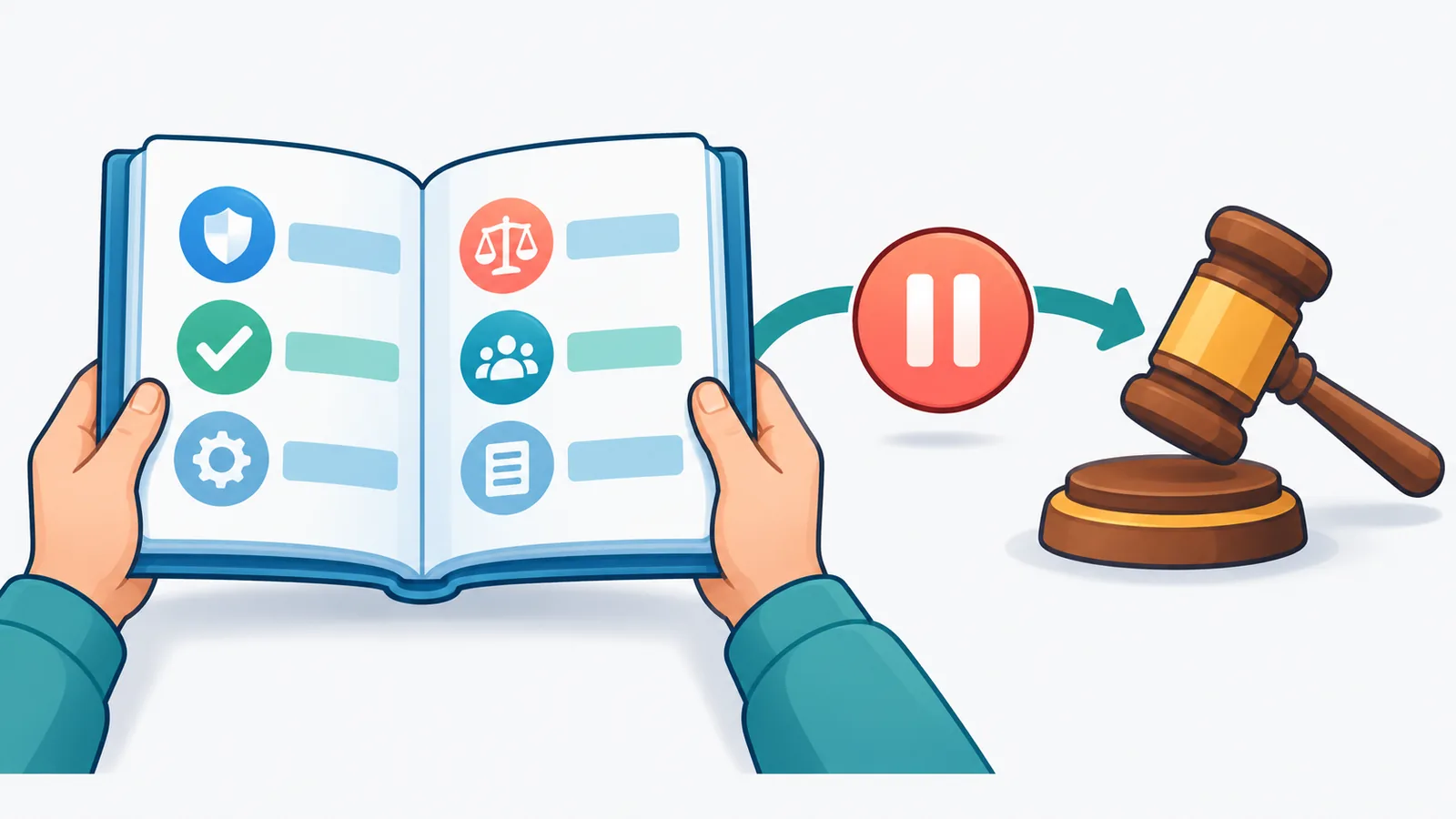
Contribution limits, reporting thresholds, and registration requirements depend on the office and the state. Confirm them with your official campaign finance regulator before you accept your first dollar.
Popular ideas include a house party with a short program, an online giving page, a call time block, and a matching-gift challenge.
Volunteer Recruitment and Retention Ideas
Volunteers stay when the first task is easy and the thanks come quickly. A two-hour shift with clear instructions works better than an open-ended request.
Offer a shift-based sign-up, a 20-minute training before each canvass, and a thank-you within a day. Give regulars more responsibility, such as leading a turf, so they feel ownership.
Campaign Tools and Supplies Compared
Choose tools by campaign size and budget, not by what looks impressive. Cost and lead time vary a lot by vendor and quantity, so get quotes and treat the cost column below as a rough guide only.

| Item | Best for | Relative cost | Lead time | Check before buying |
|---|---|---|---|---|
| Yard signs | Visibility in neighborhoods | Moderate | Varies by vendor | Local sign rules, disclaimer box |
| Door hangers | Unanswered doors | Low | Varies by vendor | Disclaimer, size limits |
| Palm cards | Doorstep and event handouts | Low | Varies by vendor | Disclaimer, readable text |
| Buttons and stickers | Events and supporters | Low | Varies by vendor | Small-item disclaimer exemption |
| Banners | Booths, parades, rallies | Moderate | Varies by vendor | Durability, disclaimer |
| Canvassing app | Tracking contacts | Low to moderate | Immediate | Data rules for voter lists |
| Email and text platform | Donor and volunteer outreach | Low to moderate | Immediate | Texting and consent rules |
Selection criteria that matter
- Durability: signs and banners should survive wind and rain for the whole season.
- Local sign rules: check where and when signs may go up.
- Printing disclaimers: confirm the required wording and layout before you approve a proof.
- Order quantity: price per unit usually drops with volume, but do not overbuy before your plan is final.
Key Takeaways
- Start with the cheapest high-contact tools: palm cards, door hangers, and a canvassing list.
- For federal candidates, the FEC says yard signs and billboards need a “paid for by” disclaimer, and printed ones need it in a box set apart with readable type and good color contrast.
- The FEC notes that small items like pens and bumper stickers, and clothing, may not need a disclaimer. State and local rules differ, so check yours.
- Track cost per contact for each tactic and drop what underperforms.
Pre-Launch Checklist, FAQ, and Next Step
Pre-launch checklist
- Filing deadlines and registration confirmed with your election office.
- Campaign bank account opened.
- Disclaimer wording confirmed for every printed and digital item.
- Voter list obtained under your state’s rules.
- Volunteer sign-up form live.
- Campaign calendar built back from Election Day.
- Sign and printing rules checked with local government.

FAQ
What is the cheapest effective campaign idea?
Personal contact, such as door-knocking and phone calls, costs mostly volunteer time. Pair it with palm cards to leave something behind.
How many yard signs do I need?
There is no standard number. Base it on your district size, the number of supporters who will host one, and local sign rules, then order a first batch and reorder if needed.
Do I need a campaign website?
Most candidates benefit from one. Voters look you up, and a simple page with your message and a donate or volunteer button is enough.
When should I start fundraising?
Once you have registered and understand the contribution rules. Early money pays for materials and voter contact.
What must appear on printed materials?
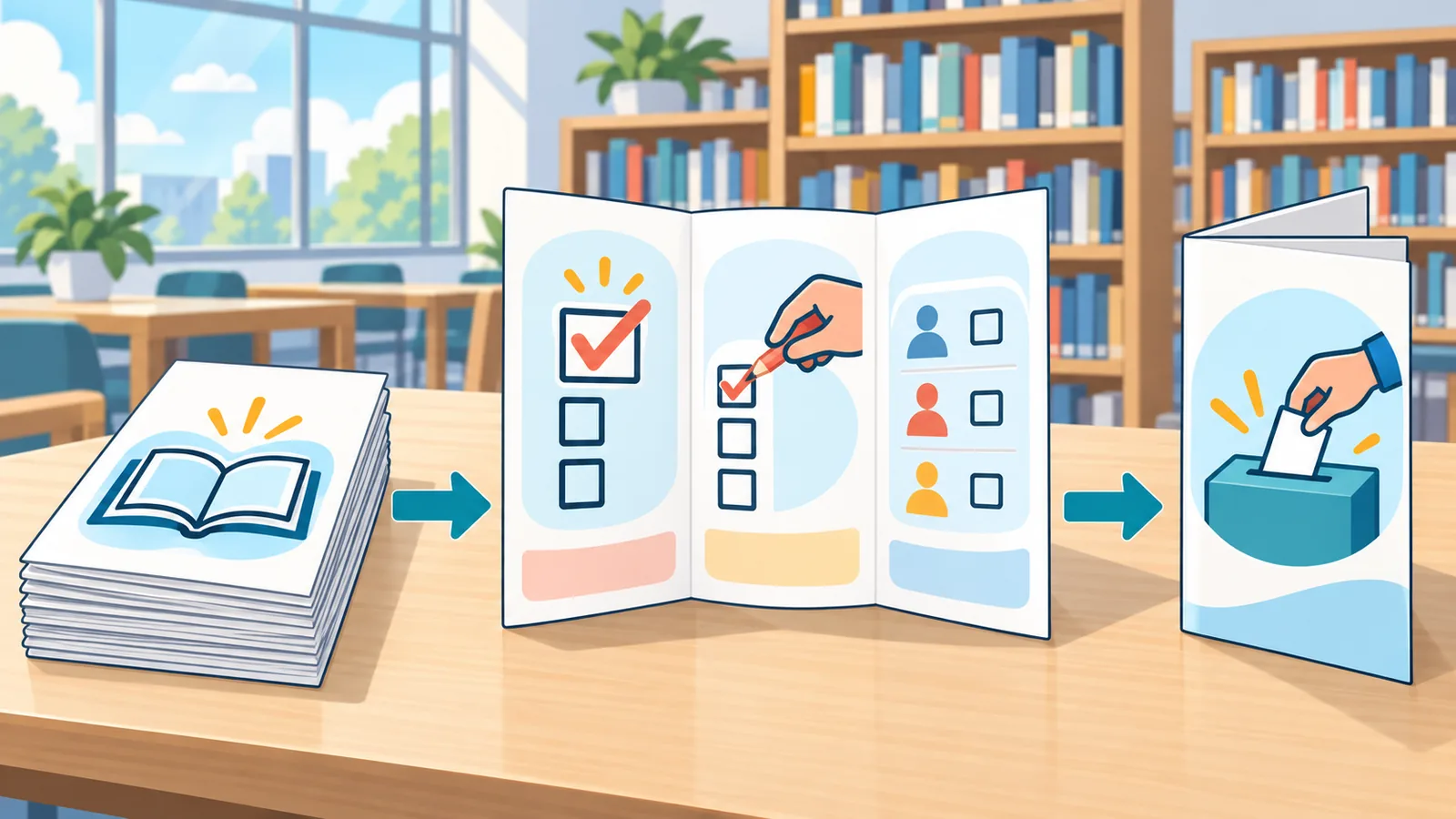
It depends on your office and state. For federal candidates, the FEC requires a “paid for by” disclaimer on public communications like yard signs, set in a printed box with readable type and sufficient color contrast. Confirm your own requirements with your election authority.
Your next step: pick three ideas from this guide and put dates on your calendar today.
References
- Federal Election Commission, “Don’t forget your disclaimers!” (July 6, 2026), fec.gov/updates/dont-forget-your-disclaimers-2026/
- Federal Election Commission, “Candidate committee yard sign example,” fec.gov
- Your state or local election office and campaign finance regulator (check current rules directly)
Want more comparisons and buying guides?