
⚠️ This page connects you to Atovia’s partners and affiliate markets. We may receive a commission from affiliate partners for activities made through these links. Discount offers may change at any time according to policy! Rest assured, there are no additional costs to you! We hope this saves you time in finding the right items!
Battery health is one of the most overlooked factors in vehicle performance — until something goes wrong. Whether you’re managing a hybrid car, an electric vehicle, or a conventional gas-powered automobile, keeping your battery within the optimal health range can save you hundreds of dollars and prevent you from being stranded. In this guide, we break down exactly what battery health range you should target, the habits that help most, and the best products available to keep your battery performing reliably for years.
- The best daily charge range for lithium-ion EV batteries is 20% to 80% to reduce long-term cell degradation.
- A healthy 12V automotive battery rests between 12.4V and 12.7V; anything below 12.0V signals a problem.
- Smart chargers and battery monitors make it easy to stay within the ideal health range automatically.
- Most 12V car batteries last 3 to 5 years; EV packs are typically warranted for 8 years or 100,000 miles.

1. What Is Battery Health and Why It Matters
Battery health is a measure of a battery’s current capacity compared to its original maximum capacity when it was new. A fresh battery starts at 100% health, and over time — through repeated charge cycles, temperature extremes, and daily usage patterns — that capacity gradually declines. For automotive batteries, degraded health translates directly into harder starts, reduced driving range in EVs, and eventually complete failure.
For conventional vehicles, the 12-volt lead-acid battery powers the starter motor, ignition system, lights, and all onboard electronics. When its health drops, every one of those systems is affected. For electric and hybrid vehicles, the high-voltage lithium-ion pack determines how far you can drive on a single charge. Understanding what constitutes a healthy battery range — and actively managing it — is one of the most cost-effective things any driver can do.
2. The Ideal Battery Health Range to Target
For lithium-ion batteries used in electric vehicles and hybrids, the recommended daily operating range is between 20% and 80% state of charge. Staying within this window dramatically reduces electrochemical stress on the individual cells, which slows capacity loss over hundreds of charge cycles. Major EV manufacturers including Tesla, Hyundai, and Chevrolet explicitly recommend setting daily charge limits to 80%, reserving full 100% charges only for long-distance trips.
For standard 12-volt lead-acid automotive batteries, health is best measured by resting voltage rather than a percentage. A battery in good condition will hold a resting voltage between 12.4V and 12.7V. A reading of 12.2V indicates a half-discharged battery that needs attention, while anything at or below 12.0V points to a severely depleted or failing battery requiring immediate testing or replacement.
| Battery Type | Optimal Daily Range | Action Required When |
|---|---|---|
| EV / Hybrid Lithium-Ion Pack | 20% – 80% state of charge | Total health capacity drops below 70% |
| 12V Flooded Lead-Acid | 12.4V – 12.7V resting voltage | Resting voltage falls below 12.0V |
| AGM Start-Stop Battery | 70% – 100% state of charge | State of charge drops below 60% |
| Lithium Auxiliary / Dual Battery | 20% – 90% state of charge | Capacity falls below 80% of original |
🛒 Recommended Product
3. Best Practices to Maintain Battery Health
Maintaining your battery within the optimal health range comes down to consistent habits and, increasingly, the right tools. The following practices are recommended by automotive engineers and EV specialists alike.
Avoid charging to 100% daily. For lithium-ion packs, consistently topping off to full capacity increases internal pressure on cells and accelerates capacity loss. Use your vehicle’s built-in charge limit settings or a smart charger to cap daily charging at 80%.
Do not let the battery drain to zero. Deep discharges below 10% to 15% are just as harmful as overcharging for lithium-ion chemistry. For lead-acid batteries, allowing a full discharge causes sulfation — a permanent chemical change that reduces capacity and cannot be fully reversed.
Control temperature exposure. Heat is the leading cause of accelerated battery degradation. Parking in a garage or shaded area, using a thermal battery blanket in winter, and pre-conditioning your EV while it is still plugged in during extreme weather all help preserve battery cell health over time.
Prefer slow charging for daily use. Level 1 and Level 2 AC charging is significantly gentler on lithium-ion cells than DC fast charging. Save DC fast chargers for road trips and use home charging for everyday top-ups whenever possible.
Test your battery regularly. A quick voltage check or battery health test takes minutes and can reveal problems months before they cause a breakdown. Most auto parts retailers offer free battery testing in the parking lot.
4. Top Products to Help Preserve Battery Health
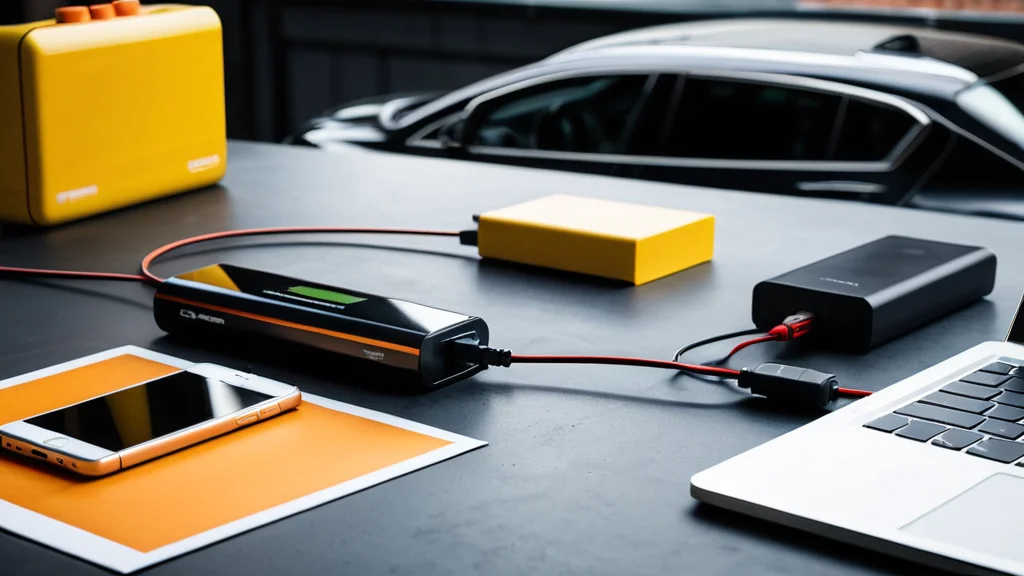
The right tools make it far easier to keep your battery within the ideal health range. Here are the most reliable and highly regarded products available for automotive battery care.
NOCO Genius5 Smart Battery Charger — One of the most popular automatic smart chargers on the market, the Genius5 detects battery condition and adjusts its charging current accordingly. It supports 6V and 12V lead-acid, AGM, gel, and lithium batteries, and its maintenance mode holds batteries at peak charge without the risk of overcharging during long-term storage.
Ancel BST200 Battery and Alternator Tester — This compact handheld tester measures voltage, cold cranking amps, and overall battery health in under 30 seconds. It works with flooded, AGM, EFB, and gel batteries, making it versatile enough for nearly any vehicle on the road today. Clear pass/fail results make it easy to use even without technical knowledge.
Battery Tender Plus 12V Charger and Maintainer — A trusted name in long-term battery maintenance, the Battery Tender Plus automatically switches from full charge to a float maintenance mode once the battery reaches capacity. It prevents overcharging and sulfation, making it ideal for seasonal vehicles, motorcycles, and stored cars.
Optima YellowTop AGM Deep Cycle Battery — When it is time for a replacement, the Optima YellowTop is one of the most durable and performance-oriented 12V batteries available. Its SpiralCell AGM design delivers significantly more charge cycles than conventional flooded batteries and handles partial state-of-charge operation far better, making it an excellent upgrade for vehicles with high electrical demands.
Micro-Start XP-10 Portable Jump Starter and Battery Monitor — A compact lithium jump starter that also monitors your vehicle battery’s voltage in real time. Invaluable for drivers who want both emergency backup power and ongoing visibility into their battery’s state of health without installing a permanent monitor.
Keep your battery in peak condition and avoid costly replacements. Shop the top-rated battery chargers, testers, and maintainers trusted by professional mechanics and everyday drivers.
5. When to Replace Your Battery
Even with careful maintenance and ideal charging habits, all batteries have a finite service life. For conventional 12-volt automotive batteries, the typical lifespan is 3 to 5 years, though AGM batteries can often last 5 to 7 years under favorable conditions. For EV lithium-ion packs, most manufacturers warrant them for 8 years or 100,000 miles, and real-world data suggests many packs retain 80% or more of their original capacity well past that threshold with proper care.
The clearest warning signs that a 12V battery needs replacement include slow or labored engine cranking, dashboard warning lights, headlights that dim noticeably at idle, frequent need for jump-starts, and a visibly swollen, cracked, or leaking battery case. For EV owners, a measurable and consistent reduction in driving range — particularly when temperatures are moderate — is the most reliable indicator of significant pack degradation.
When selecting a replacement battery, always match the group size, battery type, and minimum CCA rating listed in your owner’s manual. Installing an undersized or incompatible battery can damage your vehicle’s charging system and shorten the new battery’s life considerably. For EV battery replacement, consult your manufacturer or a certified service center to evaluate whether reconditioning, a certified remanufactured pack, or a full replacement is the most cost-effective path for your specific vehicle and usage profile.