
⚠️ This page connects you to Atovia’s partners and affiliate markets. We may receive a commission from affiliate partners for activities made through these links. Discount offers may change at any time according to policy! Rest assured, there are no additional costs to you! We hope this saves you time in finding the right items!
A candidate’s name just landed on your calendar, and you have never sat on this side of the table. That can feel strange, even a little stressful.
Here’s the good news: a fair interview does not depend on charm or gut feeling. It depends on a repeatable process built around the role. This guide walks you through five parts: prepare, ask, listen, score, and close.
- What does a first-time interviewer actually need to do?
- How do you prepare before the candidate arrives?
- How do you decide what you are scoring?
- What questions should you ask?
- How do you open the interview?
- How do you keep the conversation on track?
- What should you not ask?
- How do you score and record what you heard?
- How do you close the interview and follow up?
- What are the most common first-time interviewer mistakes?
- Frequently asked questions
- Your next step today
- Set the role goals and scoring criteria from the job description before you write any questions.
- Ask every candidate the same open-ended questions in the same order.
- Use STAR follow-ups (situation, task, action, result) to get specifics.
- Write notes and scores right after each interview, then share next steps with the candidate.
What does a first-time interviewer actually need to do?
Your job is to gather job-relevant evidence so you can compare candidates fairly. You are not there to test charisma or to find someone who feels like a friend.
What is an interview really for?
It is for answering one question: can this person do the work described in the job description? Indeed advises setting your interview goals from the duties, responsibilities, and required skills in that document, then building your evaluation around them.
What a good first interview looks like from start to finish
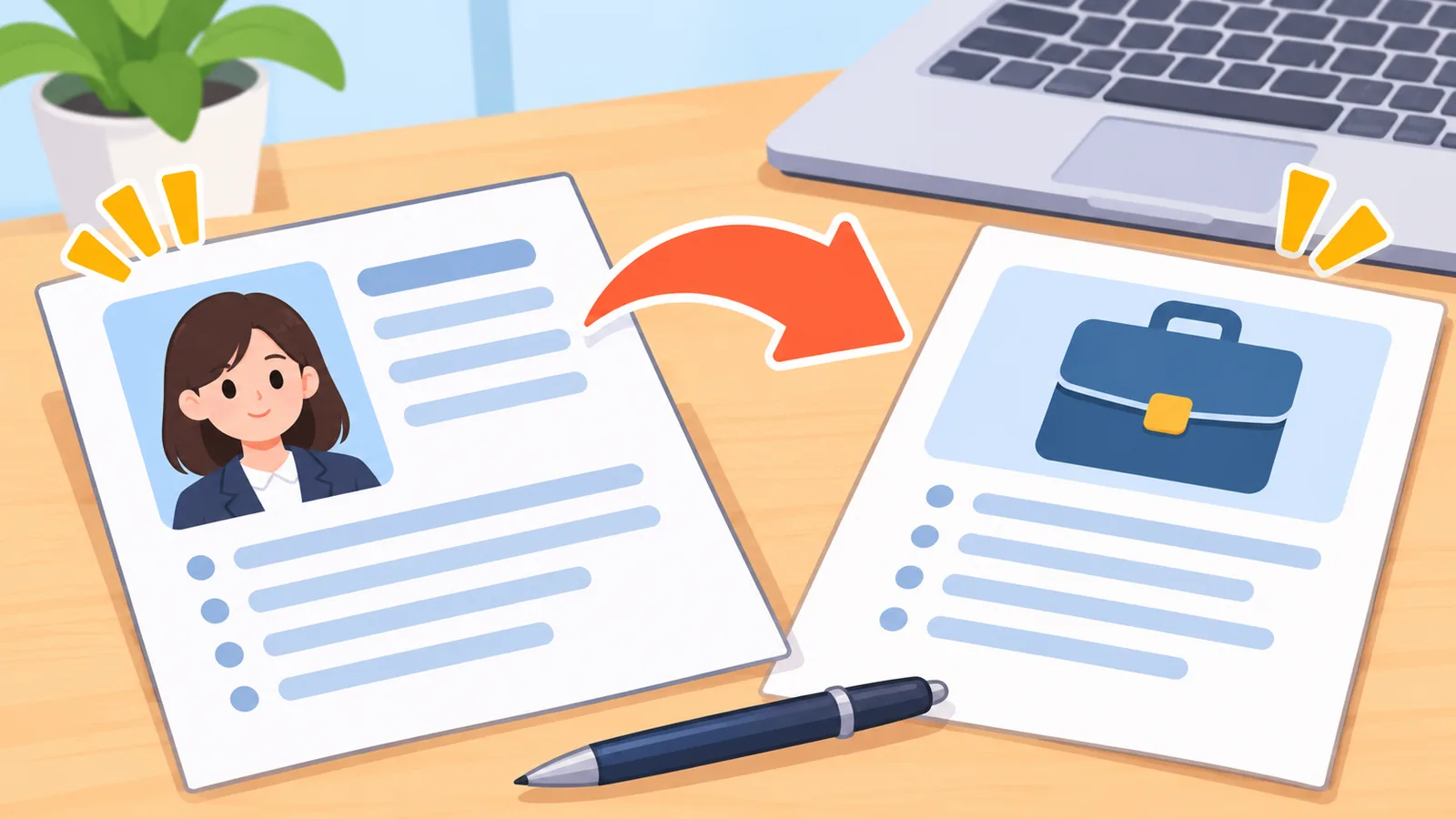
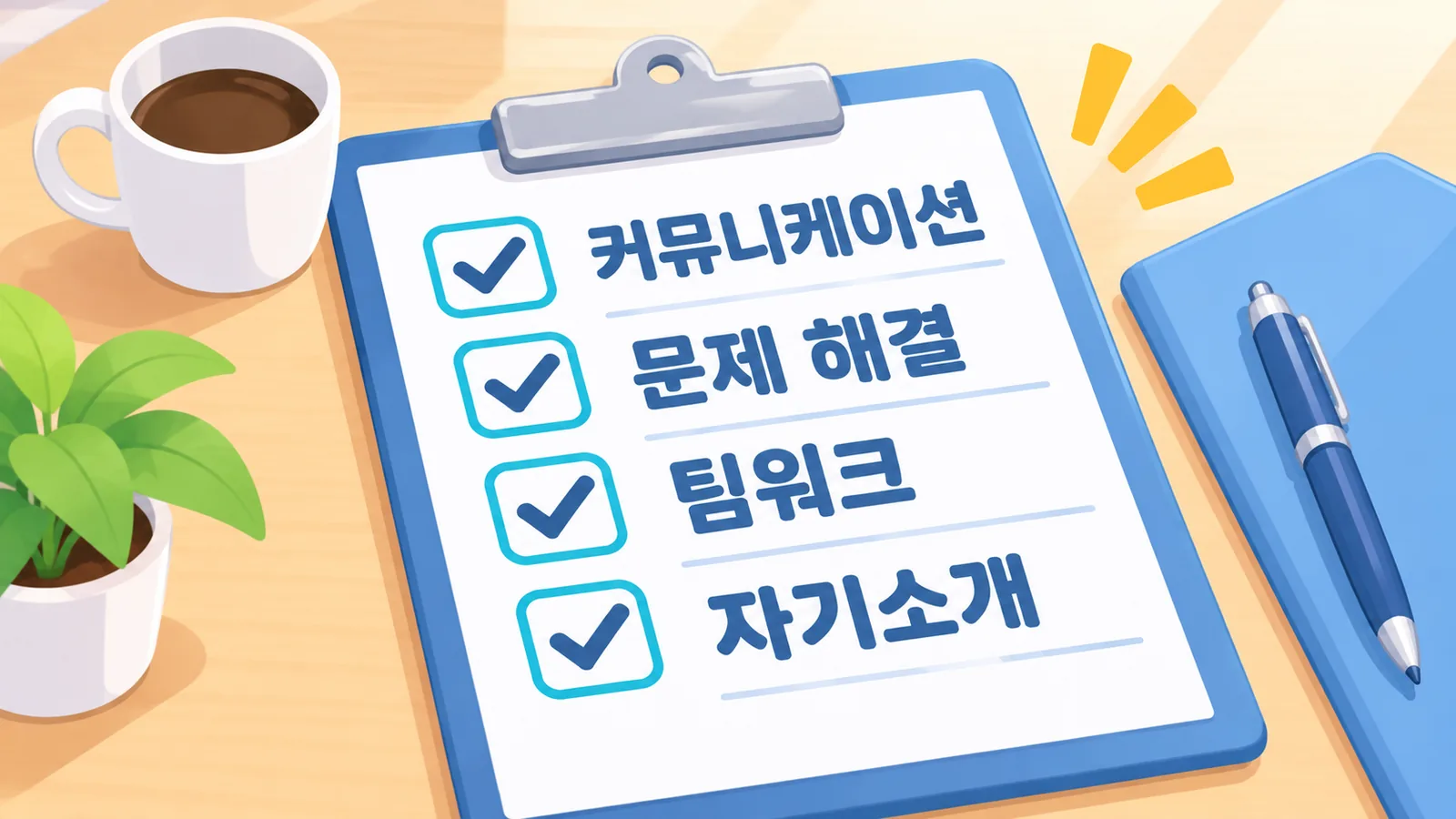
You review the job and the application, decide what you are scoring, and prepare your questions. In the room, you open clearly, ask the same questions you ask everyone, and take brief notes. Afterward, you score right away and let the candidate know what happens next.
[IMAGE_1]
How do you prepare before the candidate arrives?
Start with the job description and the candidate’s application. Business Queensland also advises reviewing the selection criteria before you meet anyone.

Here is a simple prep sequence:
- Review the job description and the resume.
- Set your interview goals.
- Pick the format and schedule the time.
- Share the logistics with the candidate.
- Assign roles if you are interviewing as a panel.
Who asks which questions in a panel interview?
Decide before the day. Business Queensland suggests agreeing in advance on who asks which questions and using a standard evaluation form, so the candidate does not get the same question twice and nobody improvises.
[IMAGE_2]
How do you decide what you are scoring?
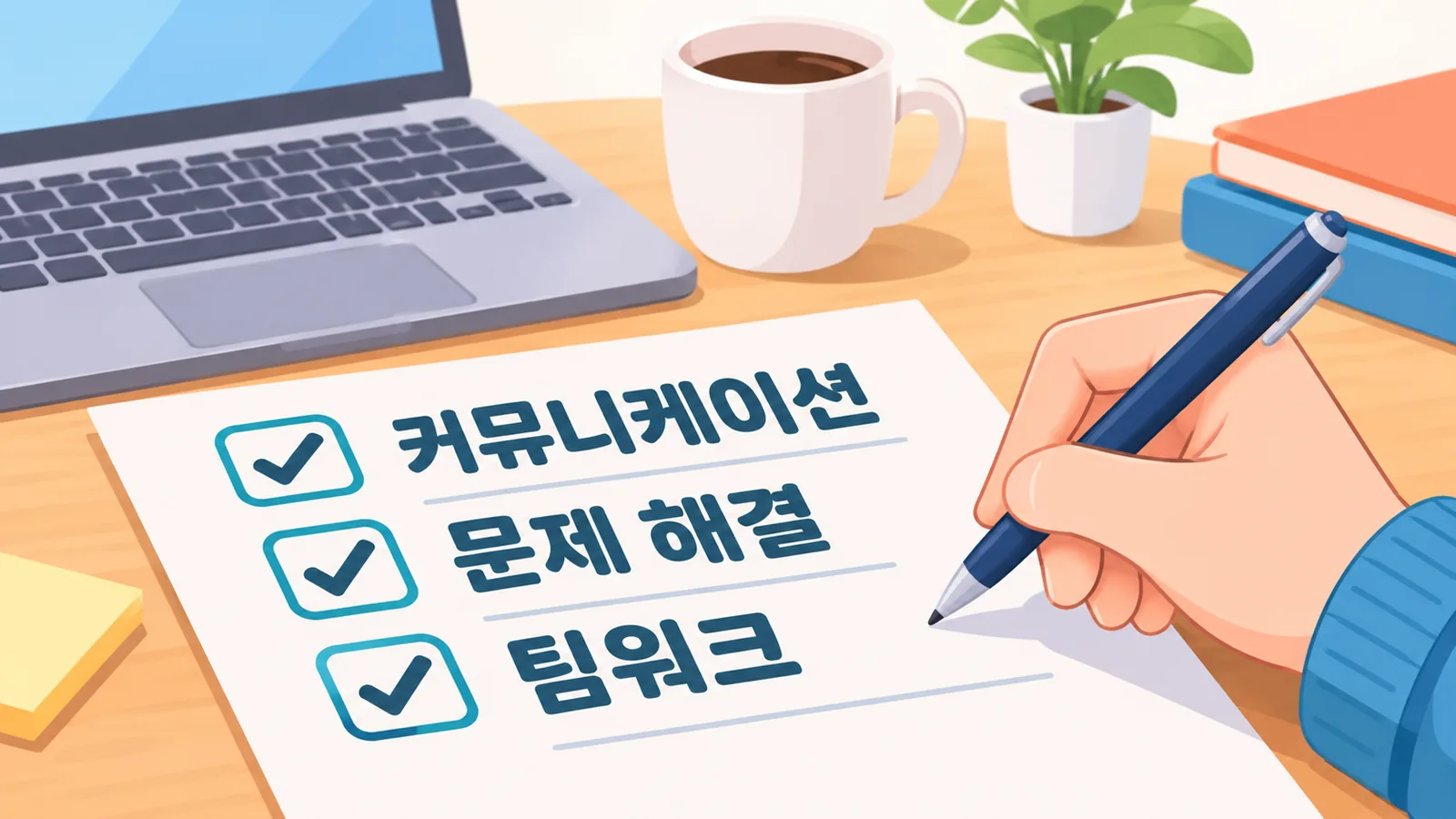
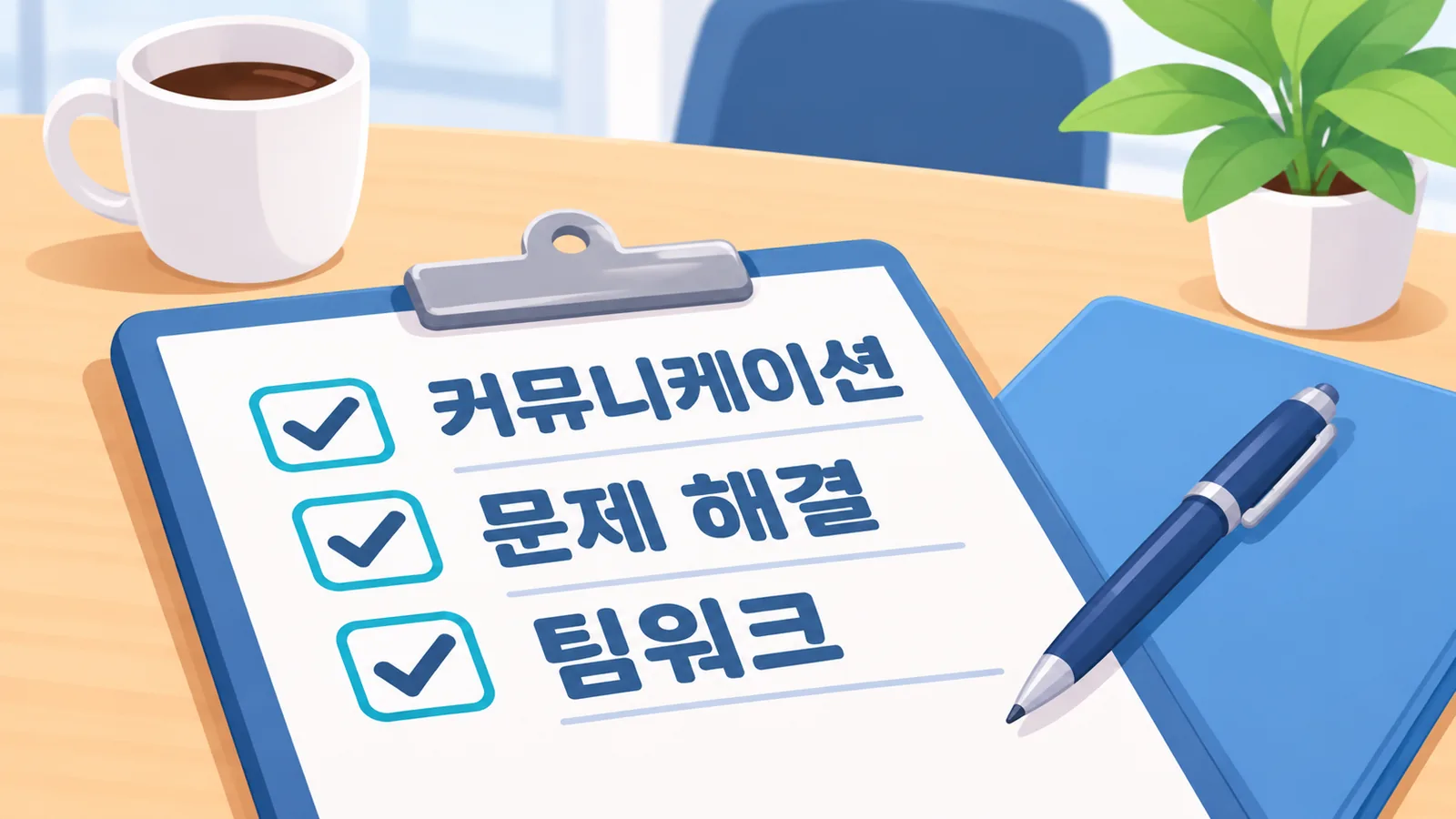
Choose three to five job-related skills, behaviors, or knowledge areas, and define what a strong answer looks like for each. This follows the approach in Indeed’s guidance and Korea’s NCS fair-hiring material, which both tie evaluation to the competencies the job requires.
Take a customer support role. Your criteria might be communication, problem-solving, and reliability. For each one, write a sentence describing a strong answer, such as “explains a past problem clearly and says what they personally did.”
No single scale or interview length fits every role, so adapt this to the job in front of you.
[IMAGE_3]
What questions should you ask?
Use open-ended questions tied to the job’s requirements. Business Queensland recommends open questions based on the selection criteria, because a yes-or-no question tells you very little.
Behavioral questions with STAR
Behavioral questions ask about past actions. Indeed describes the STAR structure, which covers the situation, the task, the action, and the result. Two samples:
- “Tell me about a time you handled an upset customer. What was the situation, and what did you do?”
- “Describe a deadline you were at risk of missing. What happened in the end?”
Situational and role-specific questions
These ask what someone would do in a realistic scenario. Two samples:

- “A customer reports the same problem for the third time. How would you approach the call?”
- “You are given two urgent tasks and only time for one. How do you decide?”
Why should every candidate get the same questions?
Because it makes the comparison fair. Business Queensland advises asking each candidate the same questions, which keeps you focused on the criteria instead of on whoever happened to charm you.
[IMAGE_4]
How do you open the interview?
Introduce yourself and your role, then explain the format, timing, and how the interview will be evaluated. Indeed recommends this kind of orientation, along with leaving time for the candidate’s own questions.
A short sample opening: “Hi, I’m Sam, and I’ll be one of the interviewers for this role. We have about an hour, and I’ll ask a set of questions that I ask every candidate. I’ll take notes as we talk, and we’ll leave time at the end for your questions.”

Mentioning the candidate’s question time early also takes some pressure off a nervous person.
[IMAGE_5]
How do you keep the conversation on track?
Let the candidate finish, then use short follow-ups when an answer is vague. Indeed advises giving candidates time to complete their answers and asking follow-ups when details are thin.
Here are some follow-up prompts that keep things specific:

- “What was your part in that?”
- “What happened next?”
- “What would you do differently?”
Take brief notes as you go. Write key phrases, not full sentences, and look up between lines so the candidate does not feel like they are talking to the top of your head.
[IMAGE_6]
🛒 Recommended Product
What should you not ask?
Skip questions about personal characteristics or circumstances that have no bearing on doing the job. If you would not use the answer to judge job performance, do not ask it.
| Topic | Better approach | Risky approach |
|---|---|---|
| Experience | “Walk me through a project like this one.” | “How old are you, and how long have you worked?” |
| Schedule | “This role requires evening shifts. Can you work that schedule?” | “Who looks after your kids in the evening?” |
| Background | “What skills from your past roles apply here?” | “Where are you really from?” |
| Family | Stick to the job’s requirements. | “Are you married or planning a family?” |
| Health | “Can you perform the essential duties, with or without support?” | “Do you have any medical conditions?” |
Check your local rules. Legal limits differ by country and state, so confirm with HR or counsel before you finalize questions. As one non-US example, Korea’s Ministry of Employment and Labor separates verbal interview questions from requiring candidates to submit personal data, and it does not say that every personal question brings a fine. Business Queensland’s guidance is Australian, so treat it as a practice reference, not a U.S. legal rule.
The shared principle holds across these sources. Korea’s blind-hiring guidance frames interviews around job-related knowledge, skills, and attitudes, and sets aside factors that invite bias.
[IMAGE_7]
How do you score and record what you heard?
Write notes and score against your criteria right after the interview, before you talk to anyone else. Indeed advises reviewing notes and evaluation forms once interviews are done, and fresh notes are far easier to trust.
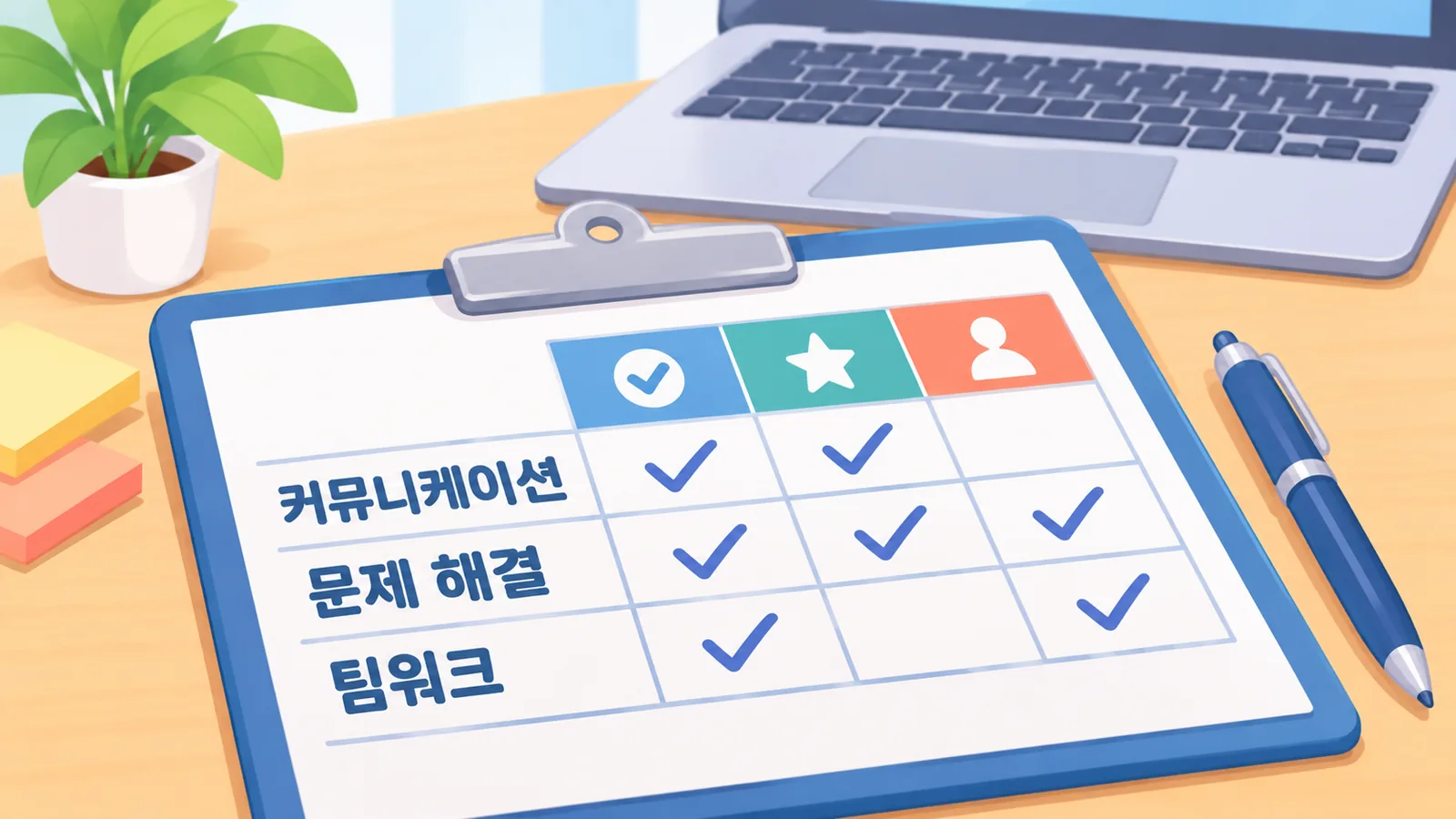
A simple scorecard has four columns: criterion, evidence from the answer, score, and notes. Use whatever scale suits the role, as long as you use the same one for everyone.
Watch for these traps:
- First-impression bias: deciding early and then looking for proof.
- Similarity bias: favoring people who remind you of yourself.
- Comparing candidates to each other instead of to the criteria.
[IMAGE_8]
How do you close the interview and follow up?
Ask if the candidate has questions, explain the next steps and timing, and thank them. Indeed recommends this close, and it leaves people with a clear picture of what happens next.

After all the interviews, review notes and scorecards together. Then tell each candidate the outcome and the next step, even when the answer is no.
[IMAGE_9]
What are the most common first-time interviewer mistakes?
Most come from a lack of structure, not a lack of skill. Here is the short list, with fixes:
- Talking too much: aim for the candidate to do most of the talking.
- Improvising questions: write them in advance.
- Skipping notes: memory fades fast.
- Asking leading questions: avoid “You’re good with deadlines, right?”
- Delaying feedback: set a date and keep it.
Pre-interview checklist
- Job description and resume reviewed.
- Three to five criteria written down.
- Questions prepared and ordered.
- Scorecard printed or open.
- Logistics sent to the candidate.
- Panel roles agreed, if applicable.
[IMAGE_10]
Frequently asked questions
How long should a first interview be?
No single answer was confirmed. It depends on the role’s complexity and how many criteria you need to cover.
Should I ask the same questions of every candidate?
Yes. Business Queensland advises asking each candidate the same questions so comparisons stay fair.

Can I ask follow-up questions that are not on my list?
Yes, when an answer lacks detail. Keep follow-ups tied to the criteria, such as “What happened next?”
What if I’m nervous?
Lean on your prep. A written question list, a scorecard, and a clear opening give you something to hold onto.
How many interviewers should be in the room?
There is no single rule. If you use a panel, agree beforehand on who asks which questions and use a shared evaluation form.
[IMAGE_11]
Your next step today
Open the job description, pick three criteria, and write five questions tied to them. That small bit of prep puts you ahead of most first-time interviewers.
Ready for your next interview? Copy the scorecard layout and the pre-interview checklist above into your own notes and reuse them for every candidate.
[IMAGE_12]
- Indeed, How To Interview Someone for a Job: 12 Steps for a Successful Interview
- Korea NCS, Fair Hiring
- Business Queensland, Finding and hiring staff
- Indeed, How To Conduct a Job Interview
- Korea Ministry of Employment and Labor, FAQ on personal-information questions in interviews
- Korea Ministry of Employment and Labor, Blind Hiring card news
Want more comparisons and buying guides?
This article was written by Atovia with the help of AI tools. If you spot an error, please let us know via Contact and we will review and fix it.