⚠️ This page connects you to Atovia’s partners and affiliate markets. We may receive a commission from affiliate partners for activities made through these links. Discount offers may change at any time according to policy! Rest assured, there are no additional costs to you! We hope this saves you time in finding the right items!
You spot a bear across a clearing and wonder how big it really is. Color and overall bulk are the first things people notice, and they are also the easiest to get wrong.
So here’s the approach that holds up: read several cues together, in a sensible order, and treat every answer as an estimate.
- What Makes Judging Bear Size So Tricky?
- Start With the Head and Ears
- What Do the Legs and Belly Tell You?
- How Does Shoulder Height Help?
- Can Tracks Reveal a Bear’s Size?
- How Much Do Season and Weight Change the Picture?
- Can You Tell Age and Sex From a Distance?
- Quick Field Comparison: Younger vs. Mature Bear
- A Simple Step-by-Step Observation Routine
- Safety and Rules to Keep in Mind
- Black bears stand roughly 2 to 3.5 feet tall at the shoulder on all fours (National Park Service).
- Alaska’s rough front-foot track bands: 3 to 3.5 inches is small, 4 to 5 inches is medium, 6 to 6.5 inches is very large.
- Fall bears can weigh 20 to 30 percent more than the same bears in spring.
- Tooth wear is the most reliable way to confirm age. Body shape is only a clue.
What Makes Judging Bear Size So Tricky?
Distance, magnification, season, and an individual bear’s condition all distort what you see. Any one of them can fool you.
Alaska’s wildlife agency notes that telescopic optics can make a bear look bigger than it really is. Its advice is to compare several bears when you can, rather than trusting a single animal.
Here’s the catch: no single cue settles size, age, or sex. The National Park Service warns against identifying a bear by color or size alone, and Virginia’s wildlife agency says the same about size and age.
Start With the Head and Ears
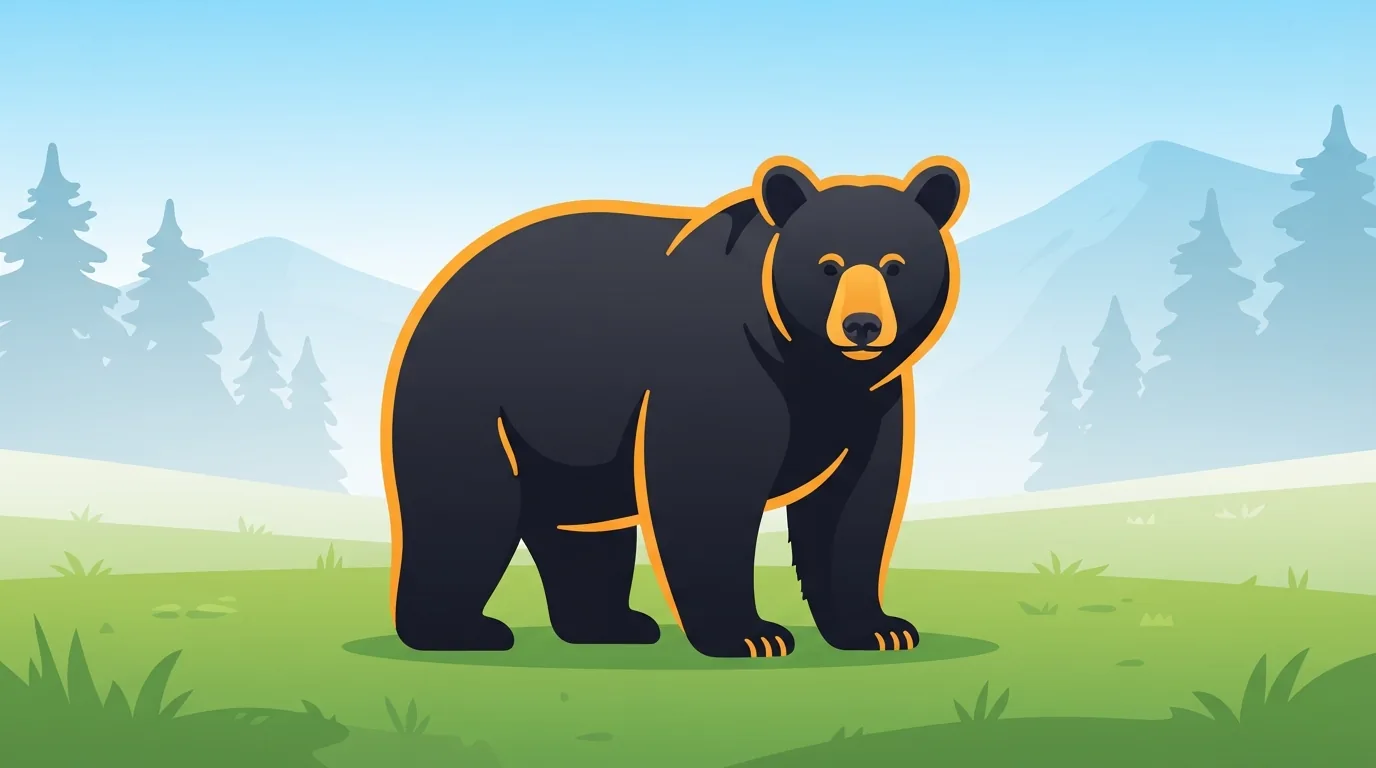
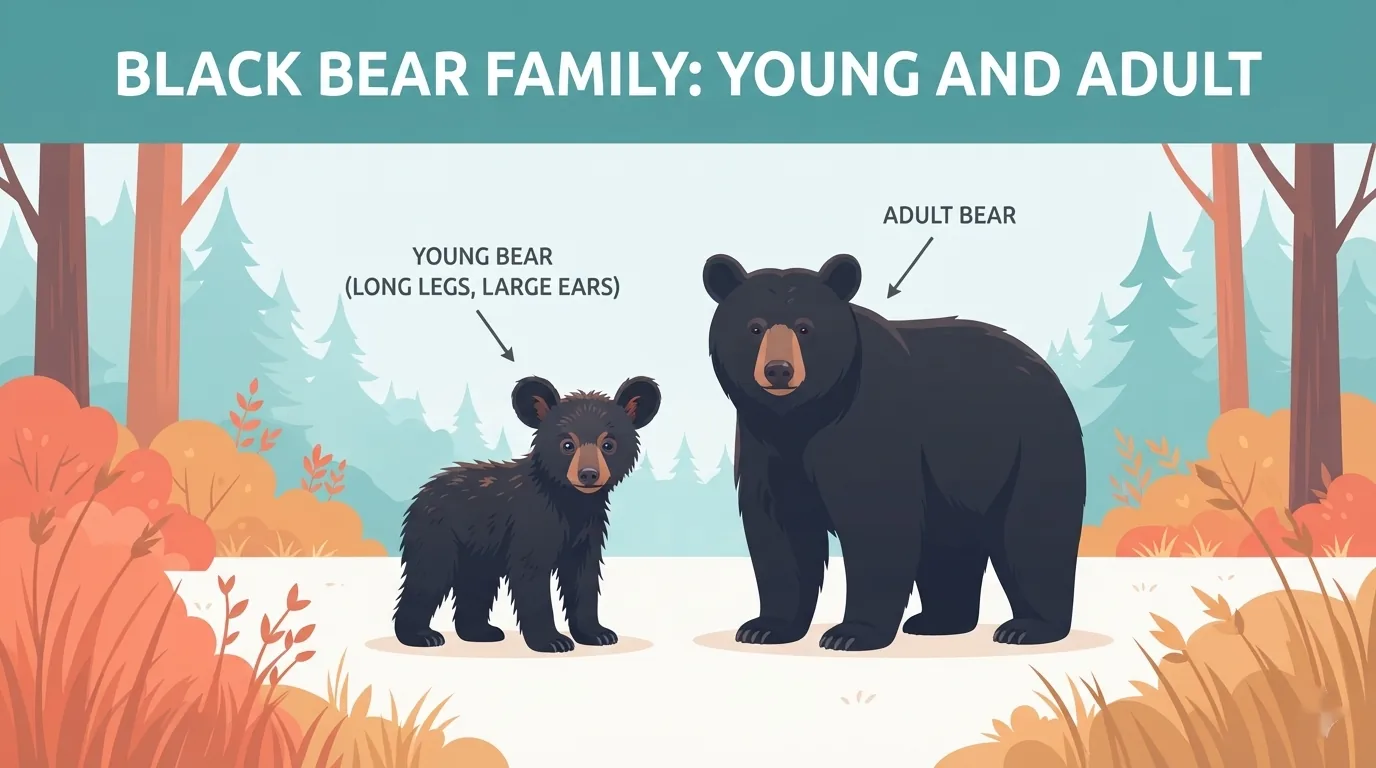
A broad, round head with ears that look small usually points to a mature animal. Start here because the head is easy to see even when the rest of the bear is hidden in brush.
Alaska’s guidance describes a big, mature male as having a large, round head with relatively small-looking ears. A young bear, by contrast, shows a pointed head, and the head and ears look large for the body.
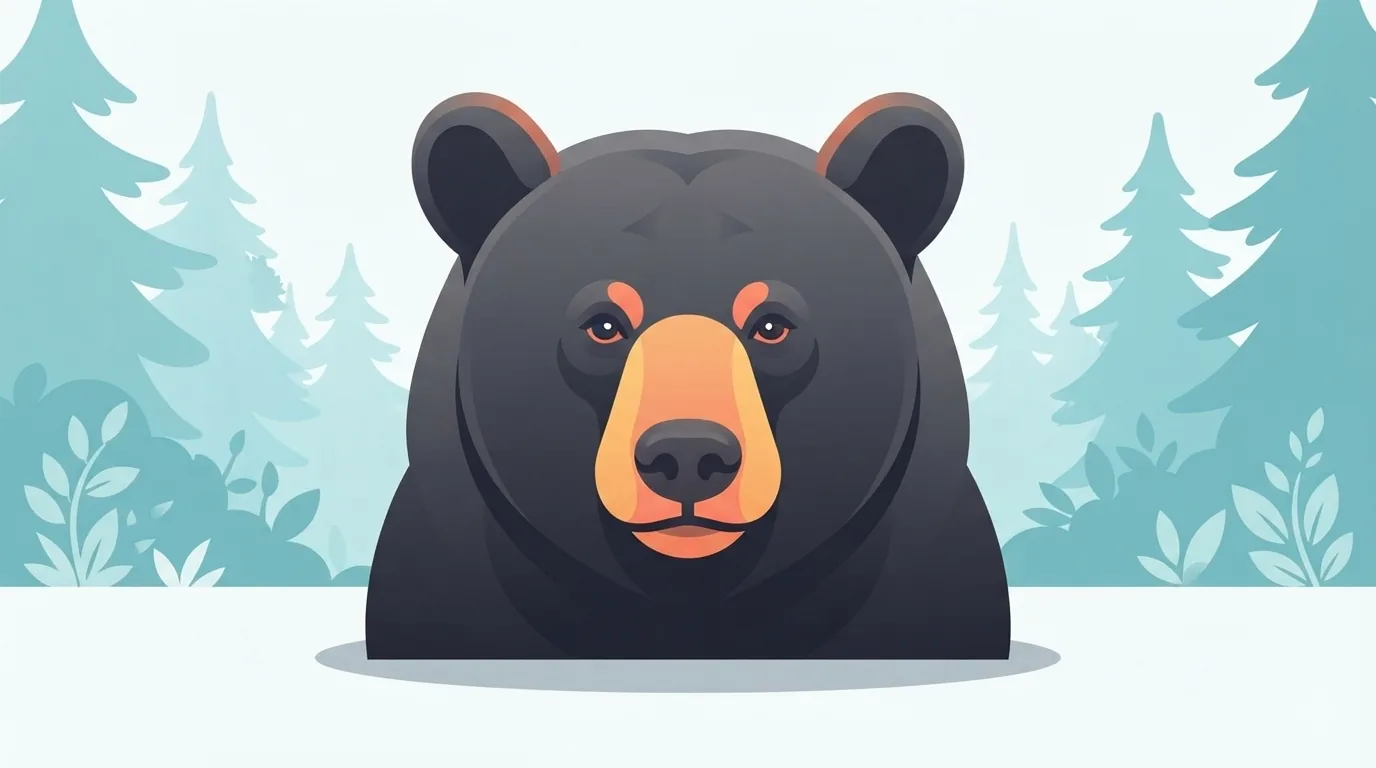
What do the ears look like?
On a younger bear, big round ears sit on top of the head and stand out. On a mature bear, the head is wide and the ears look smaller by comparison. That is a description of how they look, not a measurement.
What Do the Legs and Belly Tell You?
Short, stocky legs and a belly that rides close to the ground suggest a larger adult. Long, slim legs suggest a younger bear.
Virginia’s wildlife agency explains that young bears often look leggy, with a lot of open space between belly and ground. As the bear grows, the body fills out and that gap shrinks.
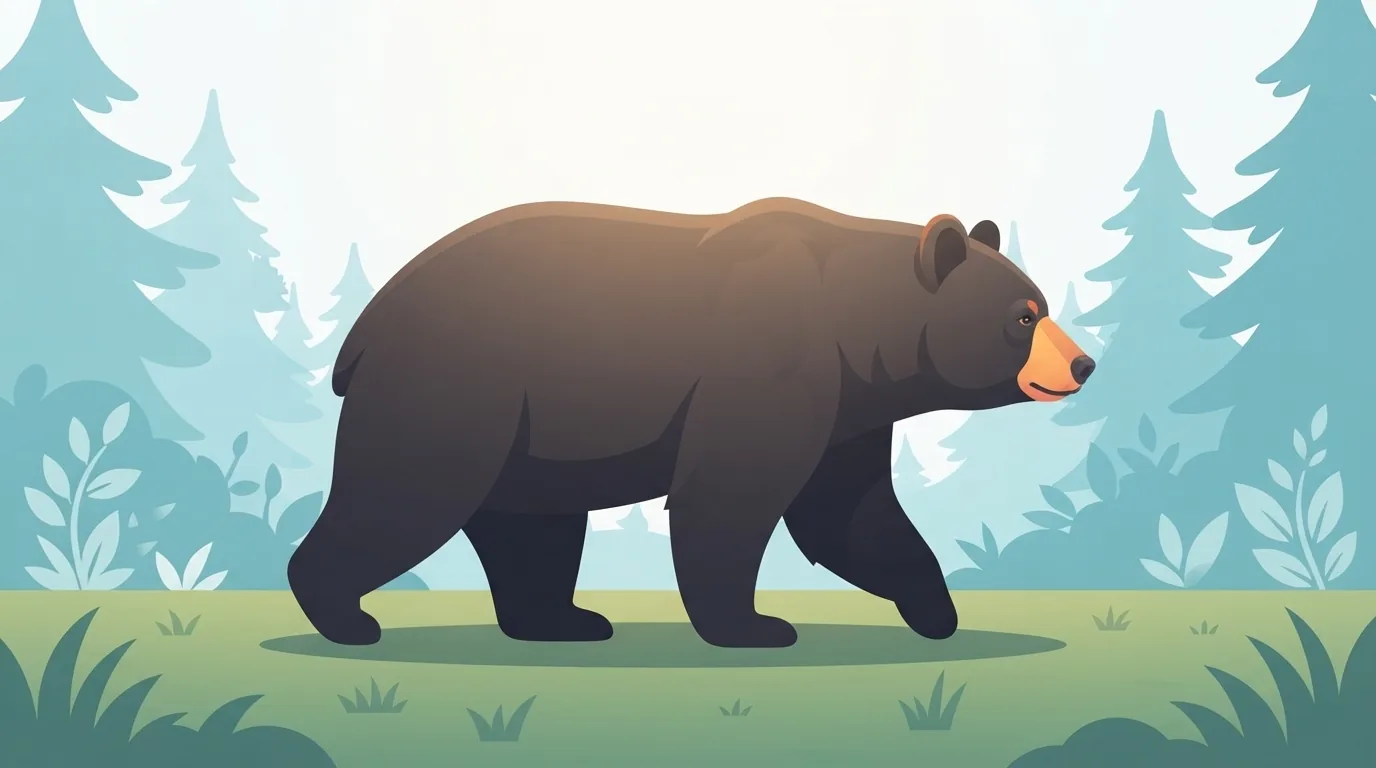
There are exceptions, so don’t lean on this cue alone. Older bears can be lean. And an adult just out of the den in spring can look thin and long-legged, which might make you guess too young.
How Does Shoulder Height Help?
Shoulder height on all fours gives you a reference range, not a measurement. The National Park Service puts black bears at about 2 to 3.5 feet.
If a fence post, a rock, or a marked tree stands next to the bear, you can compare against it. Alaska’s hunter education material describes comparing a bear to a pre-marked object as a recognized method.
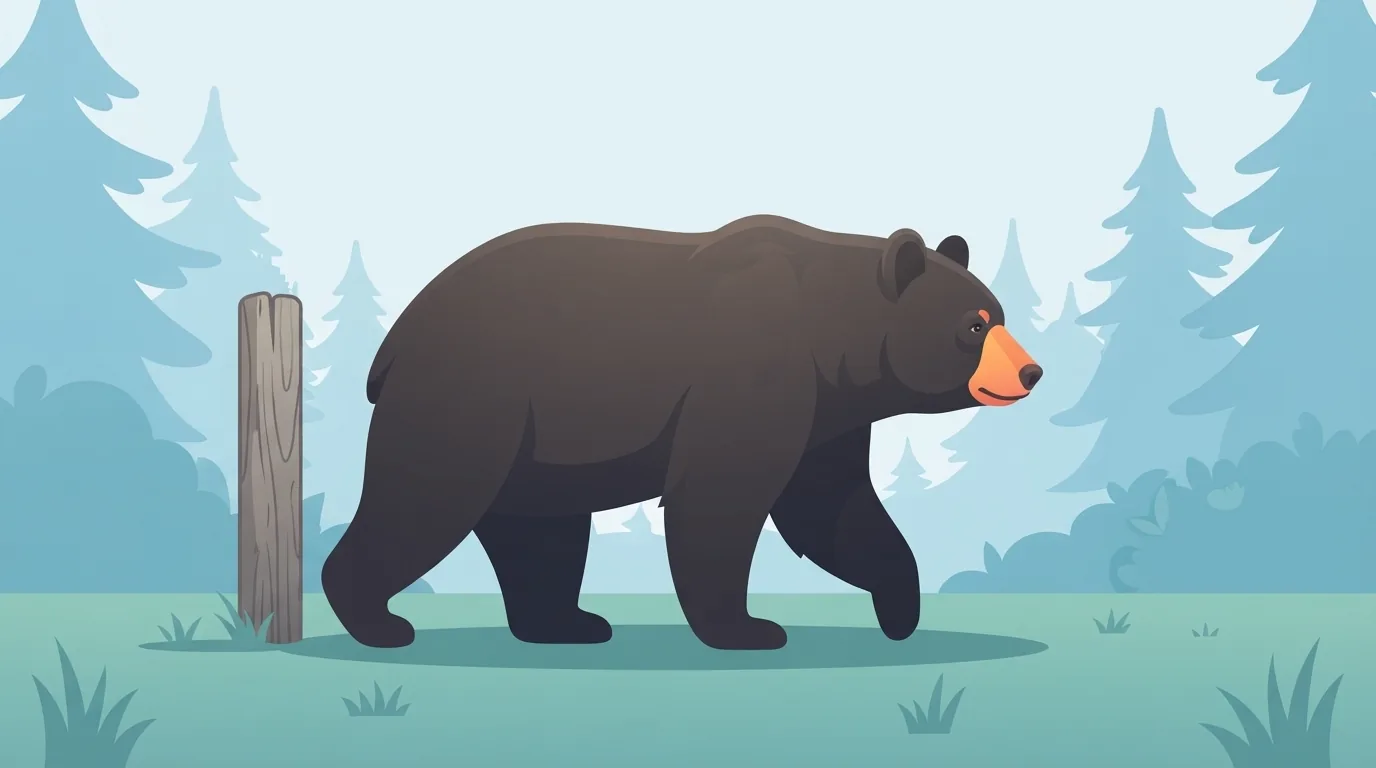
Do this from a safe distance, using objects that are already there.
Can Tracks Reveal a Bear’s Size?
Front-foot track width gives a rough size estimate. Alaska’s materials offer three bands for black bears:
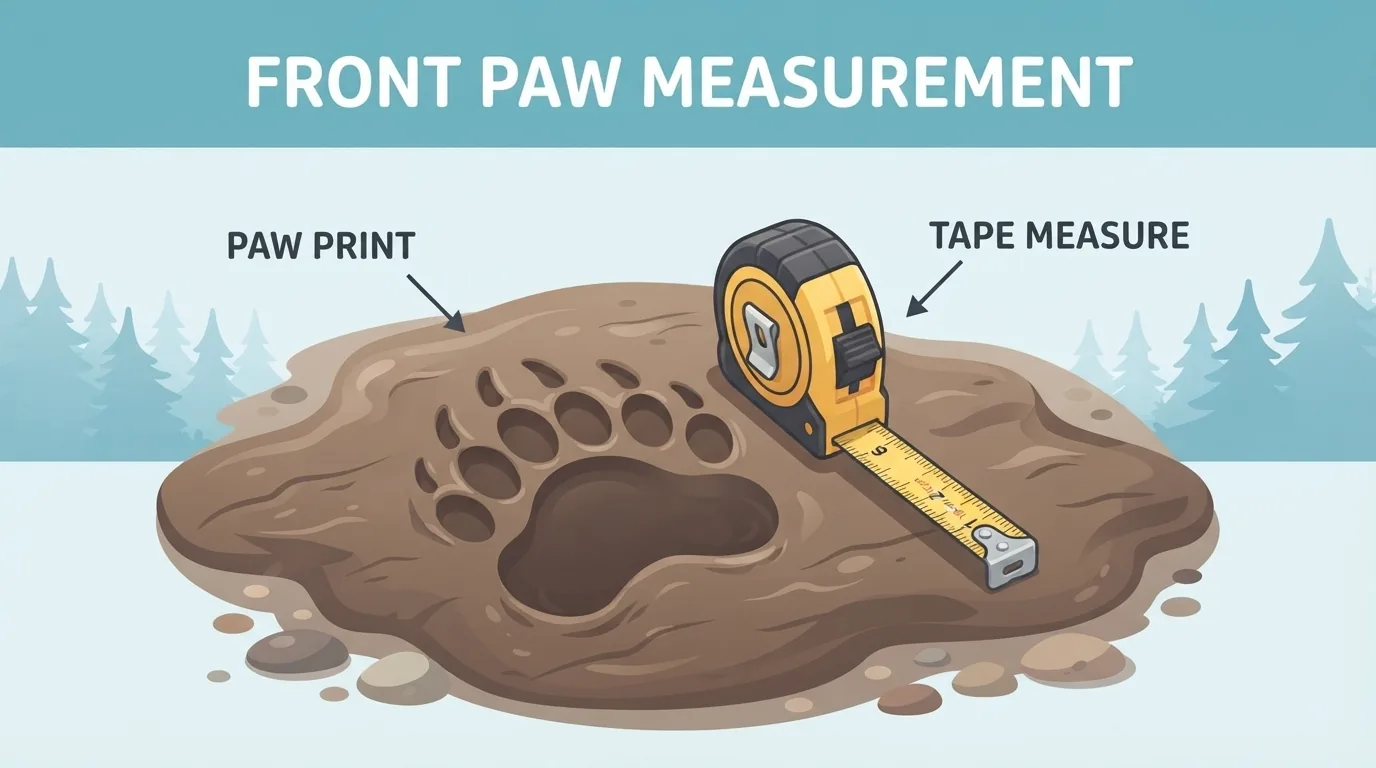
- 3 to 3.5 inches: a small bear
- 4 to 5 inches: a medium bear
- 6 to 6.5 inches: a very large bear
Treat these as rough Alaska references. They may not fit every region or season, and a track tells you nothing about condition.
Read tracks from a safe position or from photos. Never approach a bear to check its tracks.
🛒 Recommended Product
How Much Do Season and Weight Change the Picture?
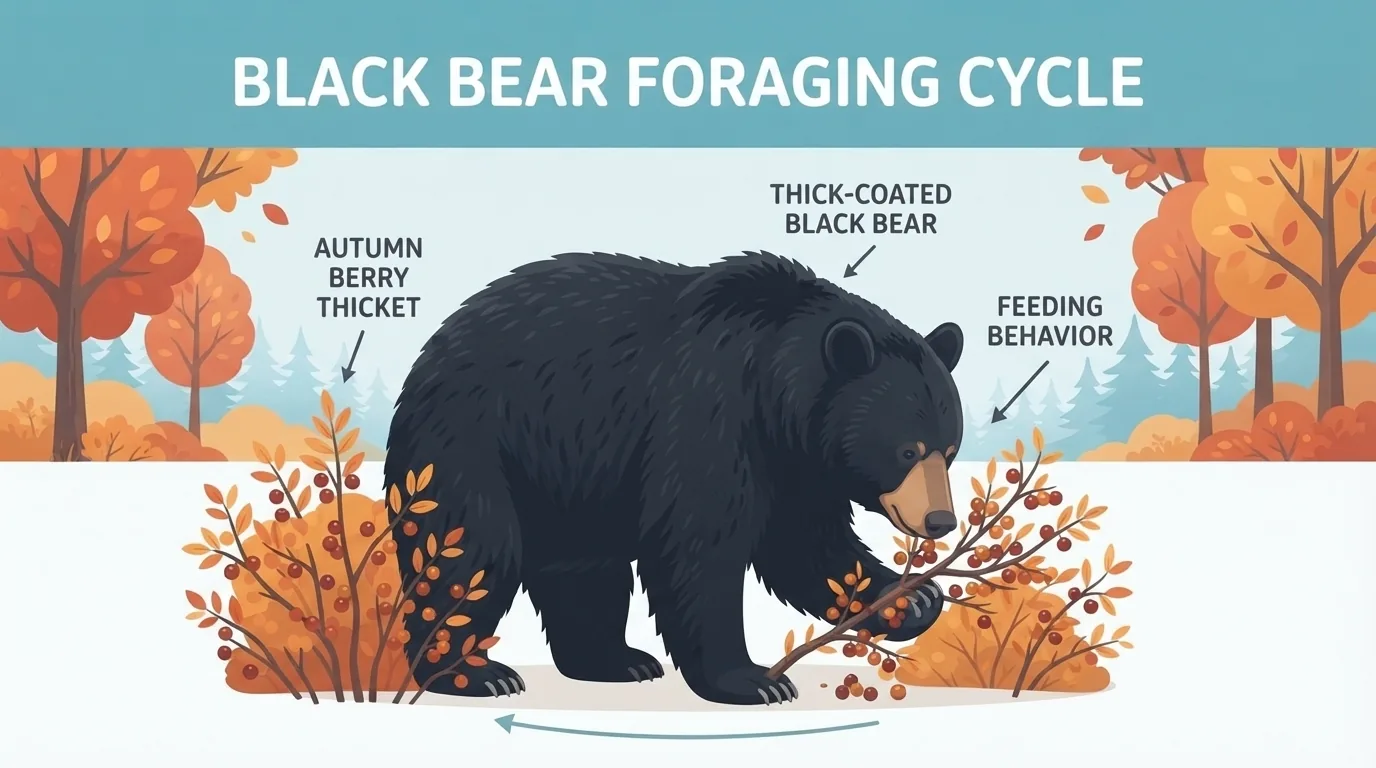
The same bear can look very different in spring and fall. Bears are at their lightest after leaving the den.
Alaska’s materials give example spring averages of 180 to 200 pounds for adult males and 120 to 140 pounds for adult females. Those are one agency’s examples, not a standard for every bear everywhere.
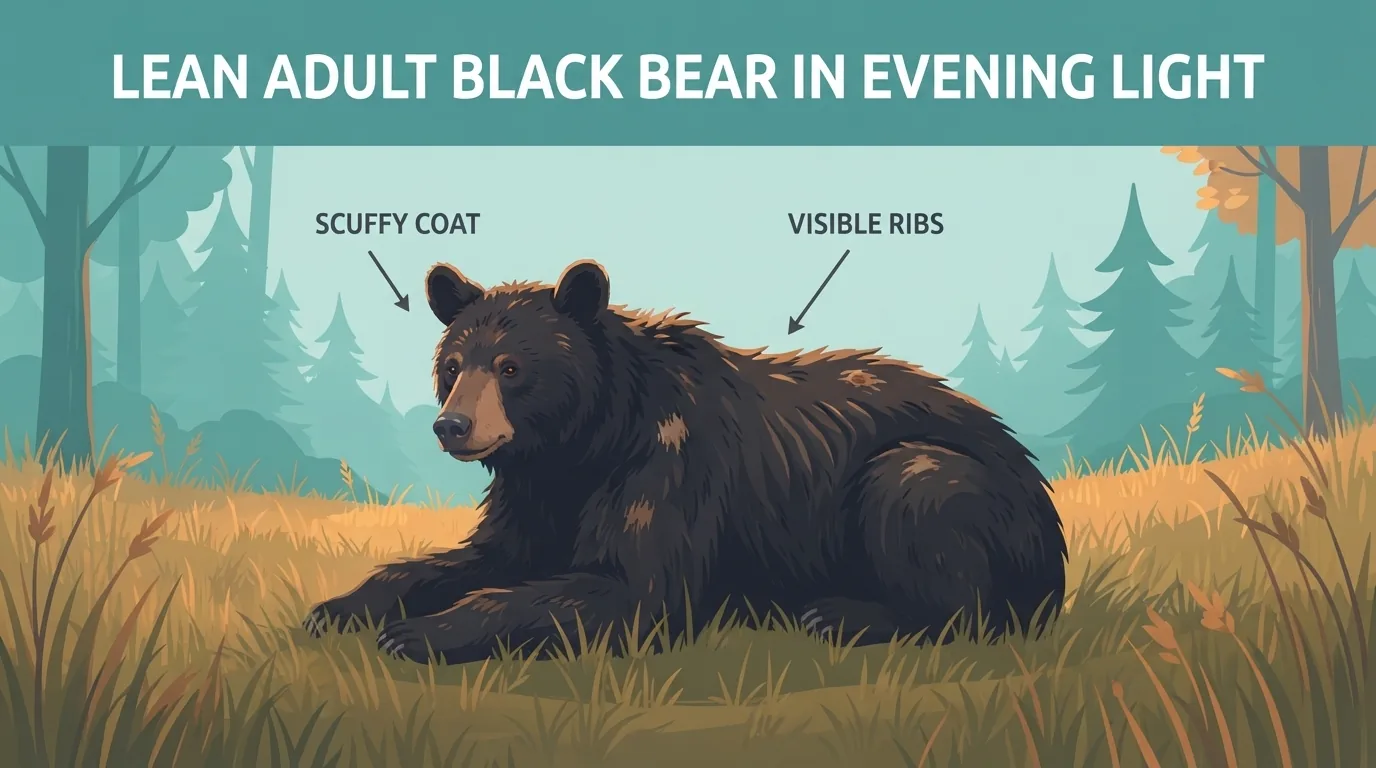
By fall, when bears are putting on fat for winter, they can be 20 to 30 percent heavier. So a bear that looks modest in May may look much bigger by October.
Can You Tell Age and Sex From a Distance?
Not reliably. Everything you read from a distance is an educated guess.
Virginia’s wildlife agency points out that older bears can be lean and that older females can stay small. That means size alone is a poor age cue.
The most dependable way to confirm age is tooth wear, which a biologist checks up close. Sex is likewise not something you can judge with confidence from a distance, so don’t build a decision on it.
Quick Field Comparison: Younger vs. Mature Bear
This table puts the head, ears, legs, belly, and movement cues side by side. Use it as a memory aid, not a verdict.
| Feature | Younger bear | Mature bear |
|---|---|---|
| Head | Pointed, looks large for the body | Large and round, broad |
| Ears | Big and round, stand out on top of the head | Look relatively small |
| Legs | Slim and long | Short and stocky |
| Belly | More open space under it | Close to the ground |
| Movement | No reliable cue to rely on | Slow and deliberate |
A Simple Step-by-Step Observation Routine
Here’s a routine built from the cues above. It is a suggestion, not an agency protocol.
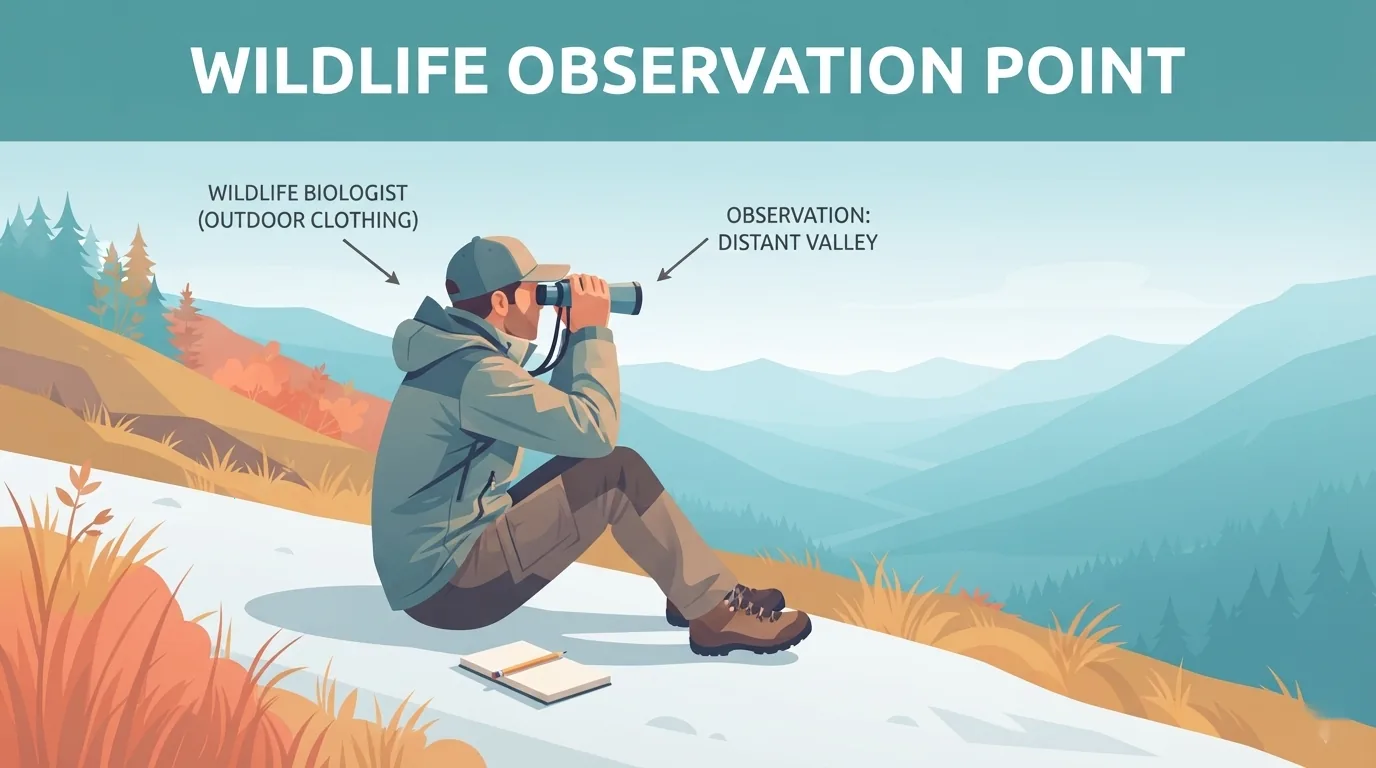
- Watch from a safe distance, and remember that optics can inflate size.
- Check the head and ears: round and broad, or pointed with big ears.
- Check the legs and belly: stocky and low, or long with open space underneath.
- Use a scale reference, such as a nearby object, and keep the 2 to 3.5 foot shoulder range in mind.
- Combine at least two or three cues, and account for the season, before settling on a guess.
Safety and Rules to Keep in Mind
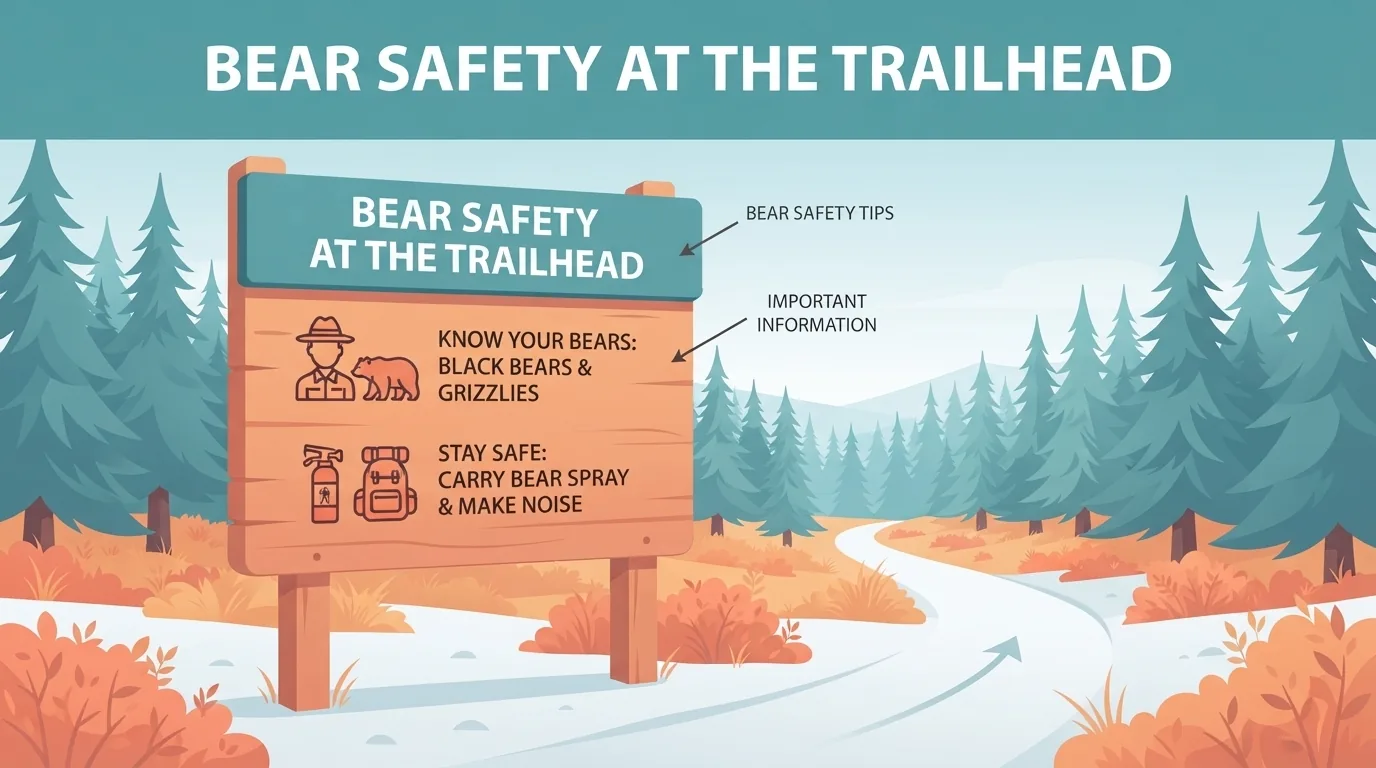
Keep your distance, and check current local regulations before any hunt. Never approach a bear to gauge its size.
Rules differ from one region to the next. Even Alaska’s materials send readers to the current regulations, so look up the rules where you will be, rather than relying on an article.
In short, a good estimate comes from patient watching, several cues, and honest uncertainty. Your next step today: pick one of the cues above and practice spotting it on photos of black bears.
Before you head out, review current guidance from your state wildlife agency and the National Park Service.
References
- Alaska Department of Fish and Game, Black Bear Hunting in Alaska
- Alaska Department of Fish and Game, Bear Baiting: Choosing Your Bear
- U.S. National Park Service, Bear Identification
- Virginia Department of Wildlife Resources, How to Judge the Age and Sex of Black Bears
- Bangor Daily News, 3 tips to judge black bear size before your hunt this fall
Want more comparisons and buying guides?