⚠️ This page connects you to Atovia’s partners and affiliate markets. We may receive a commission from affiliate partners for activities made through these links. Discount offers may change at any time according to policy! Rest assured, there are no additional costs to you! We hope this saves you time in finding the right items!
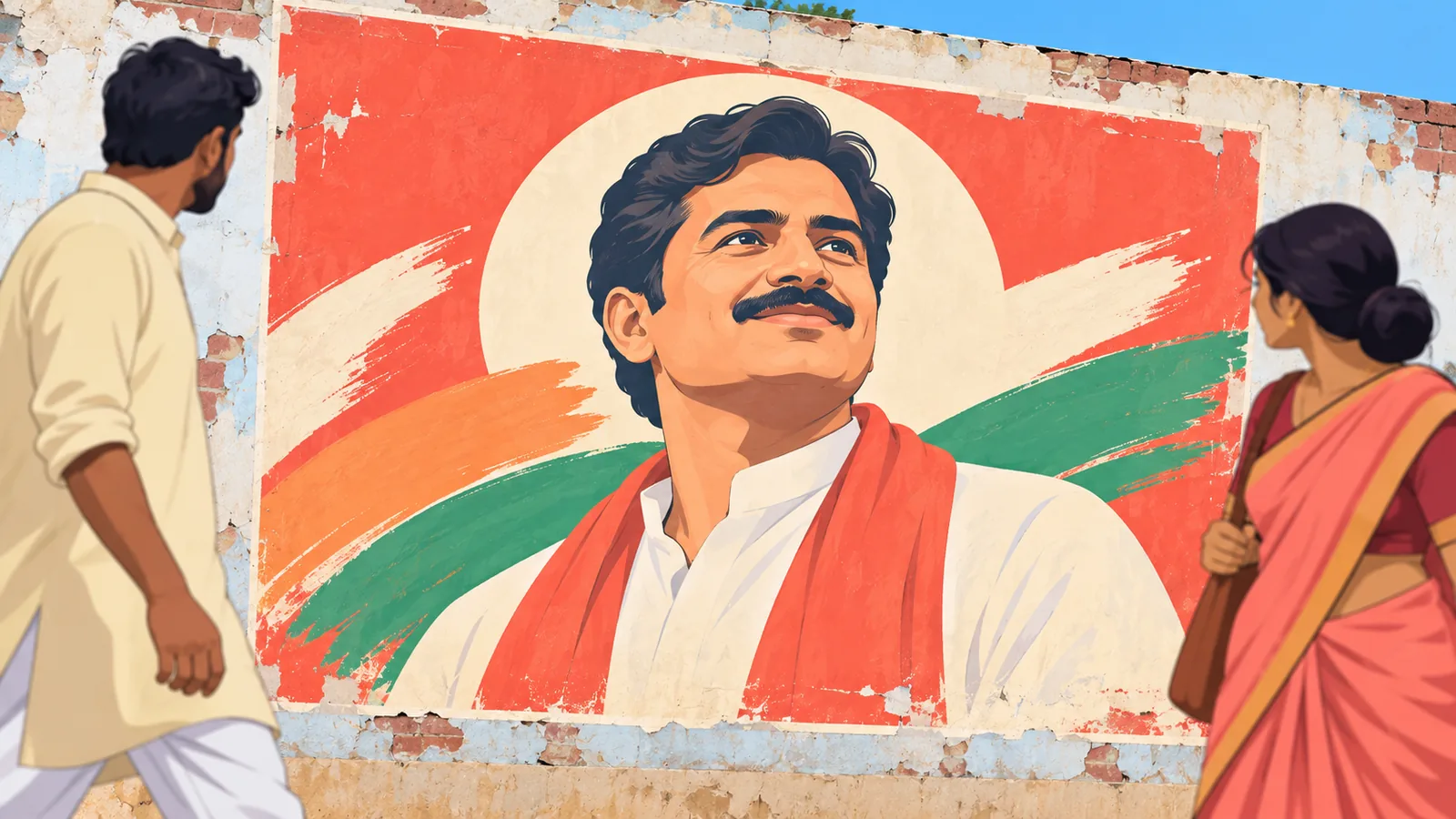
You need a Hindi line for a poster, a post or a speech, but you can’t tell which slogans from online lists are real. Here’s a fact you can verify: the Election Commission of India (ECI) used “Chunav ka Parv, Desh ka Garv” as its official 2024 general election theme.[3]
As an Amazon Associate I earn from qualifying purchases.
This guide separates documented campaign lines from sample lines. It also shows what the ECI rules allow before you publish.
- What Counts as an Election Campaign Message in Hindi?
- Campaign Slogans vs. Voter Participation Slogans
- Are Online Hindi Slogan Lists Real Campaign Lines?
- Official ECI Themes You Can Verify
- Historical Slogans: Where to Find Documented Examples
- What Makes a Hindi Campaign Message Work
- What the Model Code of Conduct Does Not Allow
- Posters, Social Media and Mass Messages: Pre-Certification and Timing
- Safe Message Patterns: Examples vs. Rule Breakers
- Where to Find Official Voter-Education Resources
- Quick Pre-Publish Checklist
What Counts as an Election Campaign Message in Hindi?
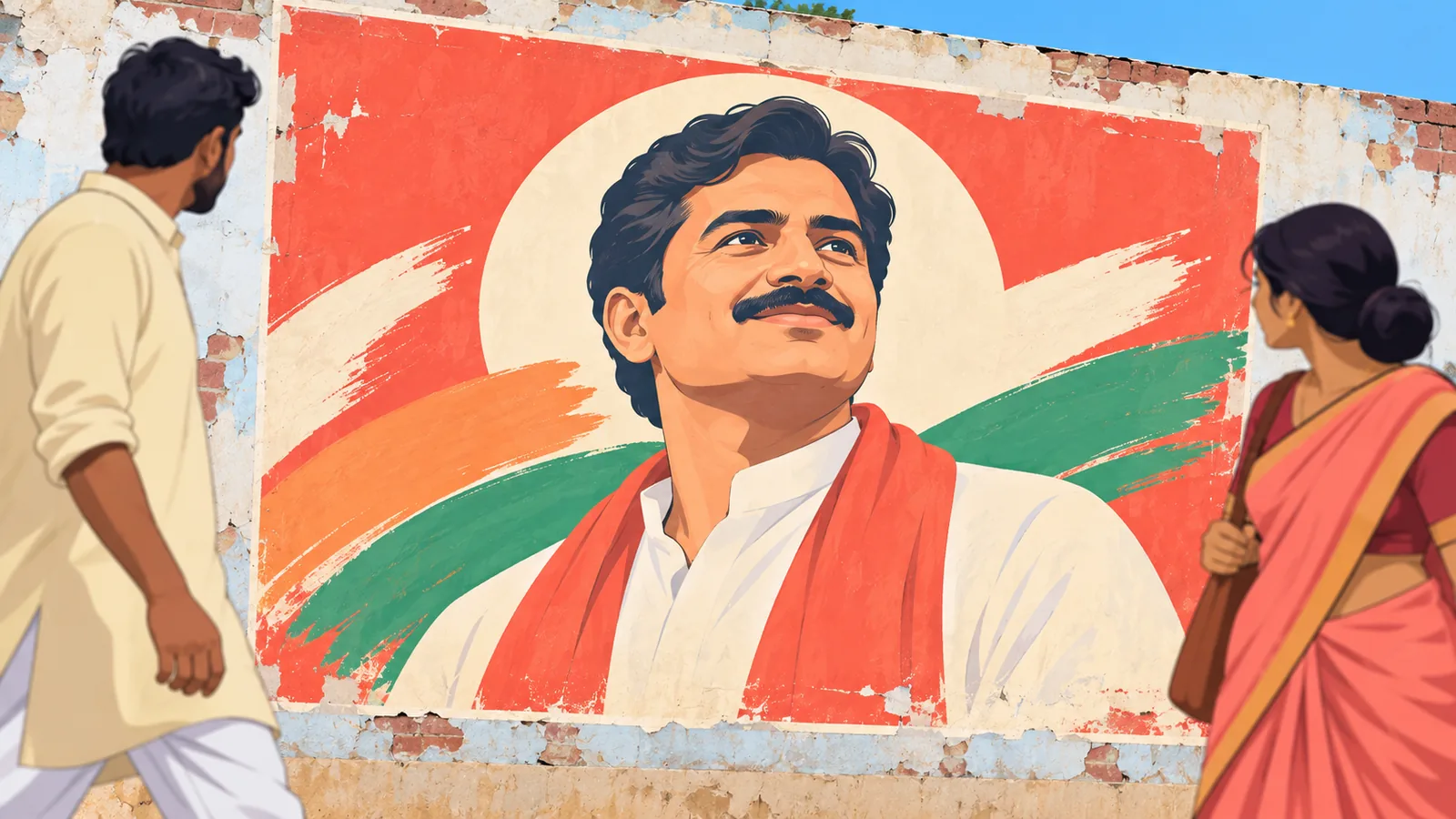
A campaign message urges people to support a party or candidate, while a voter-awareness message urges people to vote. Many readers mix the two up because both are short, catchy Hindi lines shown on posters and screens.
The difference matters. It decides who can send the message, what rules apply and how it should look.
Campaign Slogans vs. Voter Participation Slogans
They differ in who sends them and what they ask people to do.
Who is the message from?
A campaign line comes from a party or candidate. A voter-awareness line usually comes from an election authority or a civic group and backs no one.
What action does it ask for?
A campaign line asks for a particular vote. A voter-awareness line asks only that people turn up and vote.

| Message type | Sender | Goal | Tone | Typical use |
|---|---|---|---|---|
| Party or candidate campaign line | Party or candidate | Win support | Persuasive | Rallies, posters, social posts |
| Voter-awareness line | Civic or election bodies | Raise turnout | Encouraging, non-partisan | Awareness drives, videos |
| Official ECI theme | Election Commission of India | Public awareness | Celebratory, non-partisan | National campaigns, videos |
Are Online Hindi Slogan Lists Real Campaign Lines?
Not necessarily. One popular Hindi list gives no evidence on the page that its lines were used in real campaigns.[1]
Lines such as “Sahi Chunav, Bada Badlav” (roughly, “the right election, a big change”) and “5 Saal Vikas Ke, 5 Saal Vishwas Ke” (“five years of development, five years of trust”) appear there as sample lines.[1] Treat them as inspiration. Do not cite them as historical or official slogans.

Official ECI Themes You Can Verify
The verifiable 2024 general election tagline is “Chunav ka Parv, Desh ka Garv,” which roughly means “the festival of elections, the pride of the nation.”[3] The same ECI material presents a “My Vote, My Duty” video alongside voter outreach activities.[3]
Here’s the catch. These are public-awareness lines, not endorsements of any party, so don’t attach them to a party’s branding.

Historical Slogans: Where to Find Documented Examples
News archives are a better source than slogan collections. Amar Ujala’s 2014 article covers slogans from past elections as well as ones in use at that time.[2]
Before you reuse anything, check the publication date and cite the outlet, not a list page. That one habit separates a documented slogan from a rumor.

What Makes a Hindi Campaign Message Work
The best lines are short, rhythmic, specific and easy to say aloud. This is editorial craft guidance, not a claim about election results.
- Brevity: a line that fits on one poster row.
- Rhythm or rhyme: it should sound good at a rally.
- A concrete subject: tie it to a promise or a record you can show.
- Simple Hindi: everyday words over formal ones.
- Phone-readable: still clear at thumbnail size.
What the Model Code of Conduct Does Not Allow
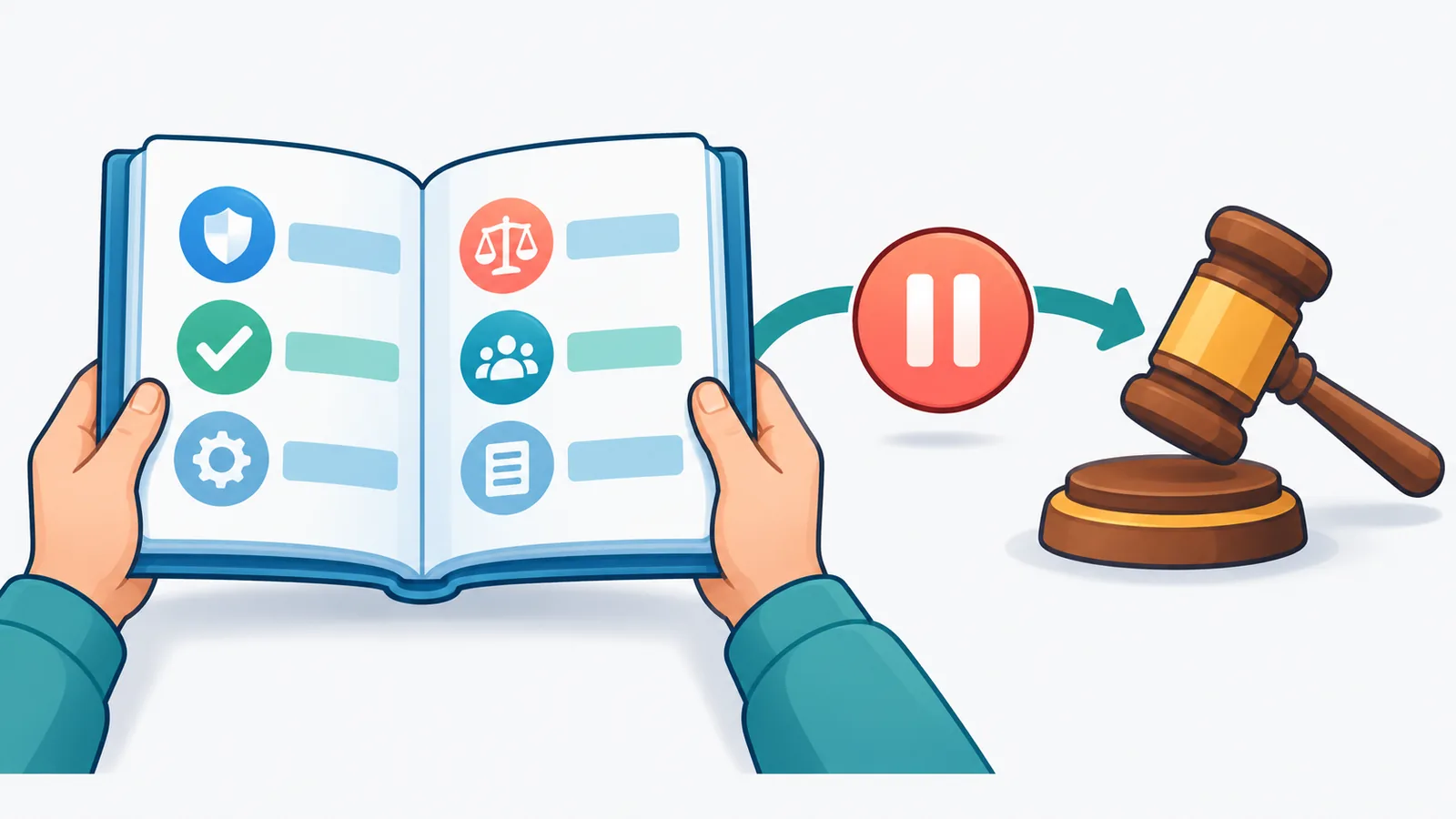
The ECI’s Model Code of Conduct bars activity that deepens hostility between caste, religious or linguistic communities. It also bars appeals to caste or communal feelings to win votes.[5]
🛒 Recommended Product
🛒 Recommended Product

Can I criticize an opponent?
Yes, within limits. Criticism must stay on policies, promises, past record and work, and should avoid unverified claims or distortion.[5] A catchy line built on a personal attack is a risk, not a strength.
Posters, Social Media and Mass Messages: Pre-Certification and Timing
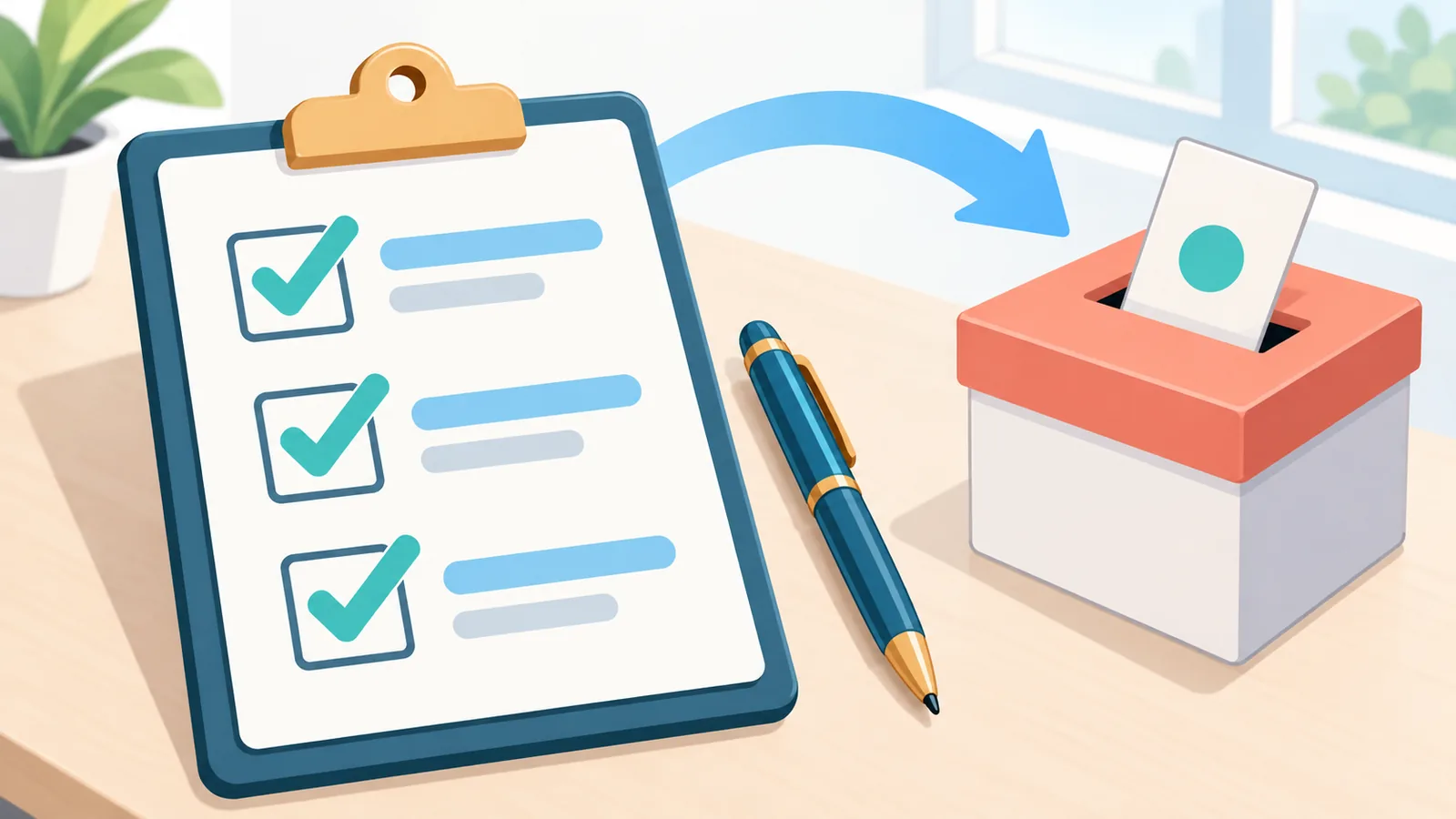
The ECI Handbook for Candidates treats social media political ads as electronic media, which means they need pre-certification.[6] The code comes into force once the election schedule is announced, and it applies to content that gets posted.[6]
There is also a campaign restriction during the 48 hours before polling ends. The exact time depends on the notice for that specific election, so check it.[6] Rules can vary by medium and format, so confirm current ECI and local election officer guidance before you publish.
Safe Message Patterns: Examples vs. Rule Breakers
Safe messages focus on voting, on development promises, or on a record you can document. The table below uses neutral patterns, not invented “official” slogans.
| Message type | Example approach | Risk | What to check |
|---|---|---|---|
| Voter turnout call | Invite everyone to vote on polling day | Low | Keep it non-partisan if it carries an official look |
| Policy promise | Name one specific, achievable promise | Low to medium | Can you explain how it would be delivered? |
| Record-based claim | Point to completed work with a source | Medium | Is every figure verifiable? |
| Attack on a rival | Criticize a stated policy or past record | High | No unverified claims or distortion |
| Community appeal | Appeal to caste or religion for votes | Very high | Conflicts with the Model Code of Conduct |

Where to Find Official Voter-Education Resources
Start with the ECI Voter Education page and its SVEEP programme. ECI describes SVEEP as its flagship programme for voter education and awareness, running since 2009, and the page points to Hindi-version materials.[4]
- ECI Voter Education: SVEEP overview and Hindi-version material links.
- ECI SVEEP portal: voter participation resources and programme information.
- Model Code of Conduct: the official behavior standard for campaign messages.
- Handbook for Candidates (see references): practical guidance on campaigning and advertising.

These are guidance and awareness materials, not slogan collections. Usage terms vary by item, so check each one before reusing it.
Quick Pre-Publish Checklist
Run your draft through these six checks before it goes on a poster or a feed.
- Source the line: do you know where it came from?
- Separate example lines from verified or official ones.
- Check for any appeal to caste or religion.
- Verify every claim you make about a rival.
- Confirm whether pre-certification applies to your medium.
- Confirm the timing, including the 48-hour restriction for that election.

Key Takeaways
- The 2024 ECI theme was “Chunav ka Parv, Desh ka Garv.”
- Online slogan lists do not prove a line was used in a real campaign.
- Caste and religion appeals and unverified attacks conflict with the Model Code of Conduct.
- Social media political ads fall under pre-certification, and a 48-hour restriction applies before polling ends.
Frequently Asked Questions
How is a campaign slogan different from a voting-awareness slogan?
A campaign slogan asks for support for a party or candidate. A voting-awareness slogan asks people to vote and does not back anyone.
Can I call a slogan from an online list “official”?
No. One popular list shows no evidence that its lines were used in real campaigns, so treat them as samples.[1]
What was the ECI’s 2024 general election theme?
It was “Chunav ka Parv, Desh ka Garv.”[3]
Do online political ads need approval before posting?
The ECI candidate handbook treats social media political ads as electronic media subject to pre-certification. Confirm current guidance with your election officer.[6]
Where can I find official Hindi voter-education materials?
The ECI Voter Education page lists SVEEP information and Hindi-version material links.[4]
Next step for today: open the ECI Voter Education page and the Model Code of Conduct page, then run your draft message through the checklist above before you post.
References
- Duniya Hai Gol, Election Slogan in Hindi
- Amar Ujala, 2014, Article on Indian election slogans
- Election Commission of India, 2024, General Elections 2024 press note
- Election Commission of India, Voter Education
- Election Commission of India, Model Code of Conduct
- Election Commission of India, 2023, Handbook for Candidate
Want more comparisons and buying guides?