
⚠️ This page connects you to Atovia’s partners and affiliate markets. We may receive a commission from affiliate partners for activities made through these links. Discount offers may change at any time according to policy! Rest assured, there are no additional costs to you! We hope this saves you time in finding the right items!
The median wage for all U.S. occupations was $50,980 in 2025, yet several careers that require no bachelor’s degree pay nearly double that figure. Elevator and escalator installers now out-earn many desk jobs at a median of $109,910 a year, while dental hygienists and diagnostic medical sonographers regularly clear $96,000 to $98,000 with only an associate degree or certification. This guide breaks down the highest-paying no-degree career paths by field, what each one actually pays at different experience levels, how long training takes, and what to watch out for before you commit.
As an Amazon Associate I earn from qualifying purchases.
🛒 Recommended Product
- Why Skip the Degree: The Case for Skill-Based Careers
- Top-Paying Trade Careers
- Tech Careers Without a Degree
- Sales and Business Careers
- Healthcare Support Careers
- Transportation and Skilled Field Careers
- Salary, Training Time, and Entry Cost Comparison
- How to Choose the Right No-Degree Career Path
- Common Mistakes to Avoid When Switching Careers
- Frequently Asked Questions
Why Skip the Degree: The Case for Skill-Based Careers
Average published tuition and fees have climbed for two decades, while wages for many degree-holding graduates have grown slowly by comparison. At the same time, employers in construction, healthcare support, and skilled trades have widened apprenticeship and certification pipelines to fill labor shortages, often paying trainees while they learn. The result is a set of career paths where four to five years of paid, on-the-job training can lead to a median income that rivals or beats many bachelor’s-degree occupations, without the accompanying student debt.
- The highest-paying no-degree trade, elevator and escalator installation, has a national median of $109,910 a year, more than double the all-occupations median of $50,980.
- Healthcare support roles requiring only an associate degree, such as dental hygienist ($98,100 median) and diagnostic medical sonographer ($96,590 median), rank among the fastest-growing and best-paid non-bachelor’s careers.
- Most skilled trades use paid apprenticeships lasting four to five years instead of unpaid classroom time, so trainees earn while they train.
- Licensing requirements, not degrees, are the real gatekeeper in most of these fields, and licensing timelines vary widely by state.
Top-Paying Trade Careers
Skilled trades dominate the list of highest-paying jobs that require no bachelor’s degree, largely because they combine technical risk, physical demand, and mandatory licensing that limits the labor supply.
Elevator and Escalator Installer/Repairer
This is the highest-paid skilled trade tracked nationally, with a median annual wage of $109,910 and top earners exceeding $158,000. Entry typically requires a high school diploma followed by a four-year apprenticeship through the National Elevator Industry Educational Program or a comparable union program. The trade combines mechanical, electrical, and electronic systems work, and most states require licensing.
Electrician
Electricians earn a median of $63,190 a year, with the top 10% earning over $108,510 and the bottom 10% around $42,640. Training runs four to five years through a paid apprenticeship, and state licensing is required almost everywhere. Demand is steady because electrical work cannot be outsourced or automated away.

Plumber, Pipefitter, or Steamfitter
The median wage for this group is $63,800 a year, slightly above electricians. Like electrical work, entry is through a multi-year paid apprenticeship, and most jurisdictions require a state license before a worker can operate independently.
Selection criteria: compare median salary against local cost of living, expect four to five years to reach full journeyman pay, and weigh the physical demands (heights, confined spaces, or heavy lifting) against your long-term health and mobility.
Tech Careers Without a Degree
Technology roles increasingly hire on demonstrated skills and certifications rather than degrees, though entry-level pay in these roles tends to be more modest than in licensed trades or healthcare.
Cloud Support Associate
Entry-level cloud support roles typically report a range in the mid-$40,000s to low-$60,000s, depending on employer and region. A CompTIA A+/Network+ foundation plus an AWS or Azure fundamentals certification is the common entry credential; there is no single authoritative national median for this specific title.
Web Developer
Reported entry-to-mid-range pay for web developers without a degree runs roughly in the mid-$60,000s, though this varies significantly by specialization (front-end, back-end, e-commerce) and portfolio strength. No formal certification is mandatory; a strong project portfolio typically substitutes for credentials.
IT Support Specialist
IT support and network support roles commonly report a typical range in the low-to-mid $60,000s, with CompTIA certifications (A+, Network+, Security+) serving as the standard entry credential employers screen for.

Selection criteria: certification cost is usually under $1,000 total, bootcamp or self-study duration ranges from a few weeks to six months, and entry salary depends heavily on whether you can demonstrate hands-on projects, not just credentials.
Sales and Business Careers
Sales and licensed business roles offer income potential that is harder to pin to a single median because pay is commission-driven and varies by performance, territory, and market.
Real Estate Agent or Broker
Real estate income is commission-based and highly variable; published figures for brokers cluster in the low-to-mid $60,000s at the median, with top performers earning substantially more and many part-time or new agents earning far less. State licensing (a pre-license course and exam) is required, and most agents do not draw a fixed salary.

B2B or SaaS Sales Representative
These roles typically pay a base salary plus uncapped commission, so total income varies widely by industry and quota attainment. No license is required, but employers usually expect prior sales experience or a strong track record in a related field.
Insurance Agent
Insurance sales requires a state license specific to the products sold (life, health, property/casualty). Compensation is commission- or renewal-based, and income in the first one to two years is typically the lowest point in the career, growing as a client book builds.
Selection criteria: understand the commission structure before you start (draw against commission versus pure commission), confirm state licensing requirements and exam costs, and ask about the realistic income ceiling based on territory size, not just top-performer anecdotes.
🛒 Recommended Product

Healthcare Support Careers
Healthcare support roles that require only an associate degree, rather than a bachelor’s or medical degree, offer some of the strongest pay-to-training-time ratios on this list.
Dental Hygienist
Dental hygienists earn a median of $98,100 a year nationally, with the top 10% earning over $126,000. Entry requires a two-year associate degree from an accredited program plus state licensure. Projected employment growth is 7% through 2034, faster than average.

Diagnostic Medical Sonographer
Sonographers earn a median of $96,590 a year, with 13% projected growth through 2034, among the fastest of any occupation on this list. Entry is typically a two-year associate degree from a CAAHEP-accredited program plus ARDMS or ARRT certification.
Radiologic Technologist
Reported pay for radiologic technologists varies by source, with entry salaries commonly starting in the mid-$50,000s and rising toward $70,000 or more with experience and specialization such as mammography or CT. ARRT certification and a state license are the standard credentialing path, typically via a two-year associate program.
Selection criteria: program length is almost always two years for these roles, accreditation body matters for license eligibility (ARDMS, ARRT), and job stability is generally high due to consistent healthcare demand regardless of economic cycles.

Transportation and Skilled Field Careers
Beyond the trades and healthcare, two growing fields offer strong pay without a degree: renewable energy maintenance and commercial freight transport.
Wind Turbine Service Technician
This role has a median hourly wage of roughly $24.93 (about $51,000 to $52,000 annually), with top earners reaching around $80,150, and it carries one of the fastest projected growth rates of any occupation tracked, driven by continued renewable energy buildout. Entry typically requires a technical certificate program of about one to two years, not a full apprenticeship.
Commercial Truck Driver (CDL, Specialized Freight)
Commercial driver’s license holders in specialized freight (tanker, hazmat, oversized loads) generally report higher pay than general freight driving, though figures vary widely by carrier, route type, and region. A CDL typically takes three to seven weeks to obtain through a certified training program, making it one of the fastest paths to a paycheck on this entire list.

Selection criteria: license and certification cost is low relative to other paths on this list, time to first paycheck is measured in weeks rather than years, and long-term demand outlook favors both fields due to infrastructure and energy investment trends.
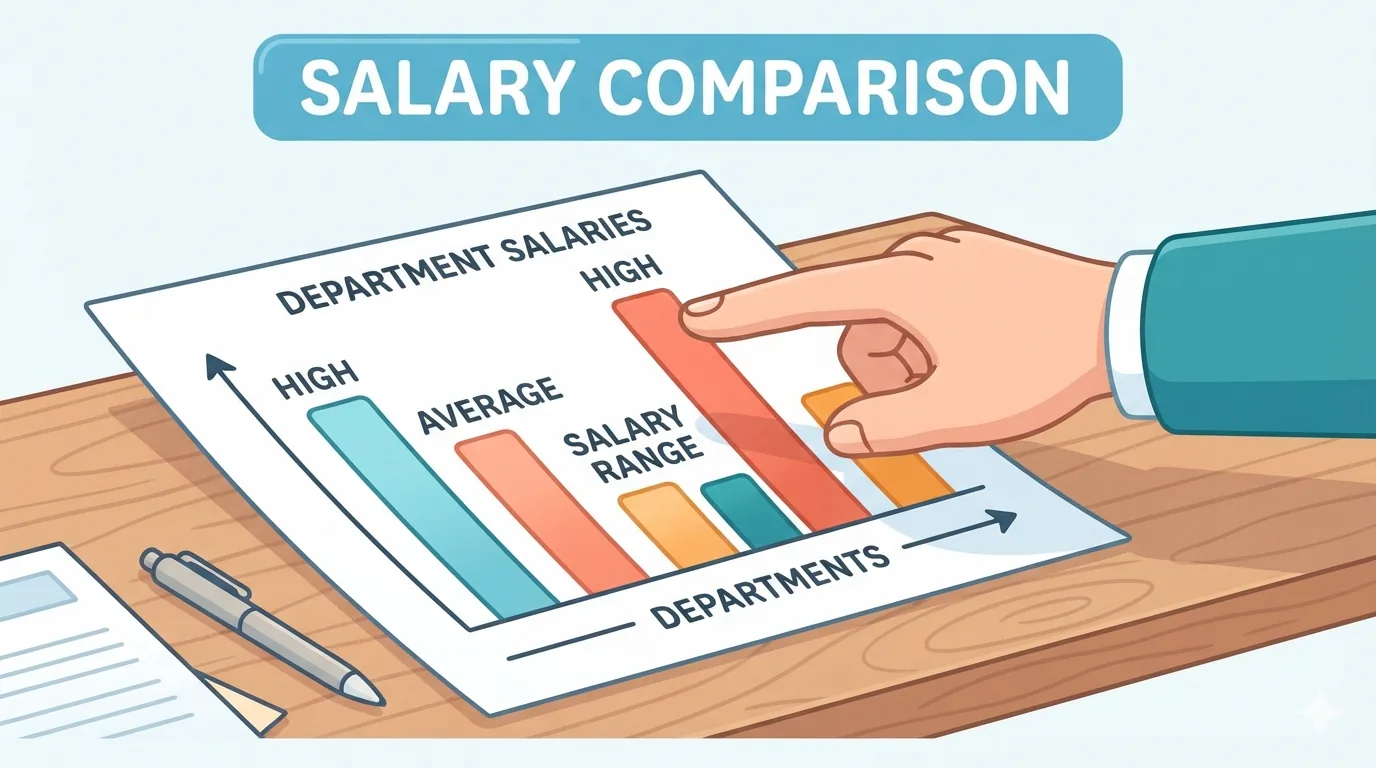
Salary, Training Time, and Entry Cost Comparison
| Career | Median Annual Salary | Typical Training Time | Entry Cost |
|---|---|---|---|
| Elevator and Escalator Installer | $109,910 | 4-year apprenticeship | Low (paid apprenticeship) |
| Dental Hygienist | $98,100 | 2-year associate degree | Moderate (tuition) |
| Diagnostic Medical Sonographer | $96,590 | 2-year associate degree | Moderate (tuition) |
| Plumber/Pipefitter | $63,800 | 4 to 5-year apprenticeship | Low (paid apprenticeship) |
| Electrician | $63,190 | 4 to 5-year apprenticeship | Low (paid apprenticeship) |
| Radiologic Technologist | Est. $55,000-$70,000+ | 2-year associate degree | Moderate (tuition) |
| Web Developer | Est. mid-$60,000s | Weeks to 6 months (self-study/bootcamp) | Low to moderate |
| Wind Turbine Service Technician | Est. $51,000-$52,000 | 1 to 2-year technical certificate | Moderate (tuition) |
| CDL Truck Driver (specialized) | Est. varies by carrier | 3 to 7 weeks | Low (short program) |
How to Choose the Right No-Degree Career Path
The right path depends less on which job pays the most nationally and more on which path fits your local job market, physical tolerance, and appetite for licensing exams.

- Match the work to your interests: hands-on and mechanical, patient-facing and clinical, or relationship-driven and sales-oriented.
- Decide between physical field work and desk-based or clinic-based work before choosing a track, since retraining later is costly.
- Check your tolerance for licensing exams and continuing education requirements, since trades and healthcare both require ongoing licensure.
- Research local demand directly with regional employers or union locals rather than relying only on national averages, since pay and openings vary sharply by state and metro area.
Common Mistakes to Avoid When Switching Careers Without a Degree
- Skipping licensing research: many applicants choose a trade or healthcare support role before confirming their state’s specific license requirements, exam costs, or waiting periods, which can add months to the timeline.
- Underestimating apprenticeship wait times: union apprenticeship programs for electricians and elevator mechanics often have waitlists, so applying early and building a mechanical aptitude portfolio matters more than most applicants expect.
- Ignoring regional salary variance: a median wage looks very different in a high-cost metro area than in a rural region, so compare local job postings, not just the national median, before committing to a training program.
Frequently Asked Questions
Can you really earn six figures without a degree?
Yes, in specific fields. Elevator and escalator installers have a national median above $109,000, and the top 10% of electricians and plumbers earn over $100,000. Six-figure income is achievable but concentrated in licensed trades and select healthcare roles, not guaranteed across every no-degree job.

Which no-degree job has the fastest path to high pay?
Commercial driving (CDL) offers the fastest path to a paycheck, often within weeks, though pay is generally lower than licensed trades. Among higher-paying options, dental hygiene and sonography offer strong pay within two years via an associate degree.
Are certifications worth the cost compared to a degree?
For fields like elevator mechanics, electrical work, and plumbing, paid apprenticeships mean you earn while training, which changes the cost-benefit calculation significantly compared to unpaid college tuition. For healthcare support roles, a two-year associate degree costs meaningfully less than a four-year degree while leading to comparable or higher starting pay in several specialties.
Do employers still discriminate against non-degree candidates?
Many employers, particularly in construction trades, healthcare support, and technical fields, have formally moved toward skills-based hiring and no longer require a bachelor’s degree for these specific roles, though corporate office roles outside this list may still prefer or require one.
- U.S. Bureau of Labor Statistics, Occupational Employment and Wage Statistics, May 2025.
- U.S. Bureau of Labor Statistics, Employment Projections 2024-2034.
Want more comparisons and buying guides?