⚠️ This page connects you to Atovia’s partners and affiliate markets. We may receive a commission from affiliate partners for activities made through these links. Discount offers may change at any time according to policy! Rest assured, there are no additional costs to you! We hope this saves you time in finding the right items!
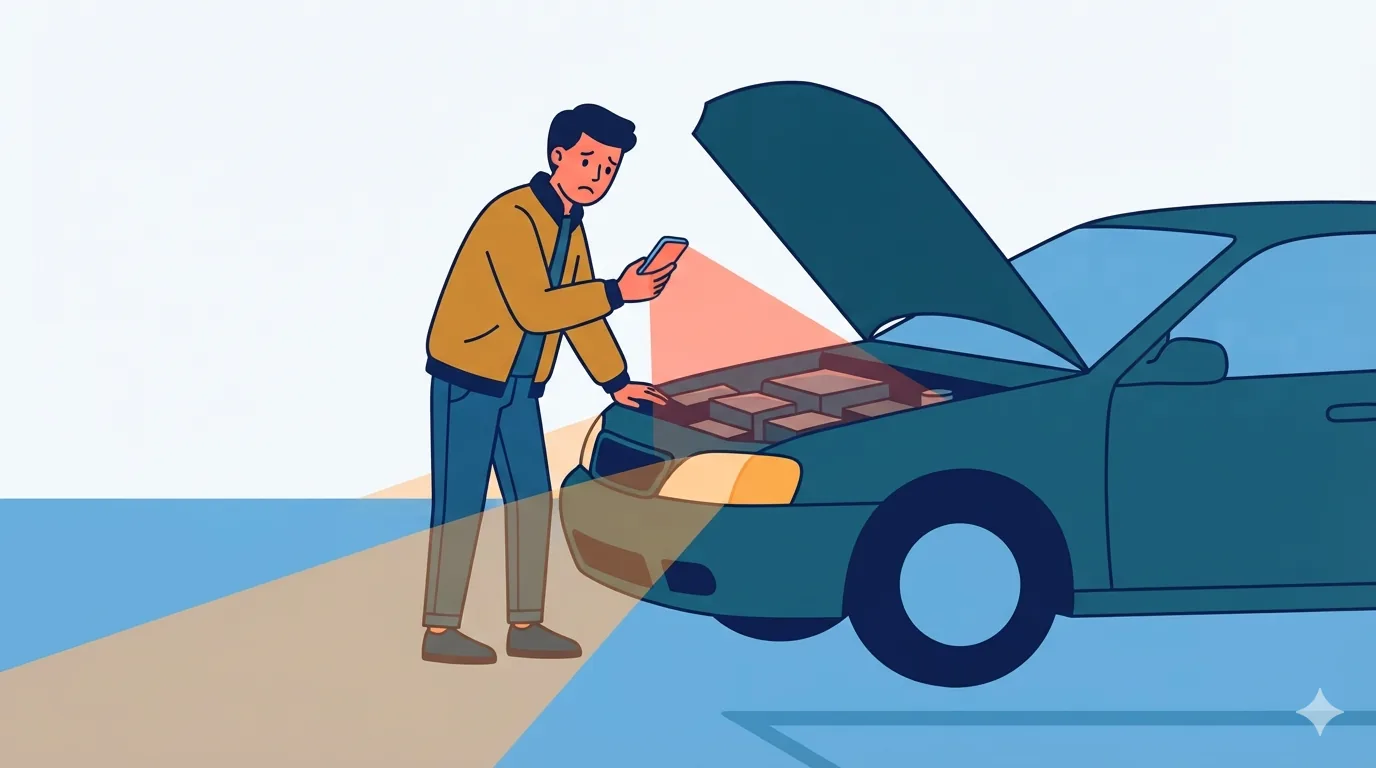
Your car won’t start. It’s late, the parking lot is empty, and there’s no one around to give you a jump. A portable jump starter turns that moment from a crisis into a five-minute fix, and this guide walks you through exactly what to look for before you buy one, so you’re never stuck depending on a stranger’s cables again.
As an Amazon Associate I earn from qualifying purchases.
🛒 Recommended Product
- Why a Portable Jump Starter Belongs in Every Trunk
- How Jump Starters Work and Key Terms to Know
- Peak Amps vs Cranking Amps: What Actually Matters
- Battery Type Compared: Lithium-Ion vs Lead-Acid Jump Starters
- Key Buying Criteria Before You Choose a Jump Starter
- Comparison Table: Jump Starter Types by Use Case
- Best Use Cases: Matching a Jump Starter to Your Vehicle
- Safety Features That Prevent Damage and Injury
- Pre-Purchase Safety and Compatibility Checklist
- How to Use a Jump Starter Safely, Step by Step
- Maintenance and Storage Tips to Extend Battery Life
- Frequently Asked Questions
- Peak amperage should be matched to your engine size and fuel type, not chosen based on pack capacity alone
- Lithium-ion packs are lighter and hold usable charge over long storage periods better than lead-acid models
- Built-in protective features like reverse polarity protection and spark-proof clamps matter more than extra gadgets
- Always confirm compatibility with your engine type, including gas versus diesel, before buying
Why a Portable Jump Starter Belongs in Every Trunk
A dead battery rarely happens at a convenient time. It shows up in a dark parking lot, on a cold morning before work, or on a rural road where the nearest driver is miles away. A portable jump starter removes your dependence on a second vehicle entirely. You clamp it directly to your own battery, and within minutes your engine turns over.
Beyond emergencies, having your own unit means you’re not waiting on roadside assistance or asking a stranger for help. For anyone who drives an older vehicle, parks in remote areas, or simply wants peace of mind, a jump starter is one of the lowest-cost, highest-value items you can keep in your trunk.
How Jump Starters Work and Key Terms to Know
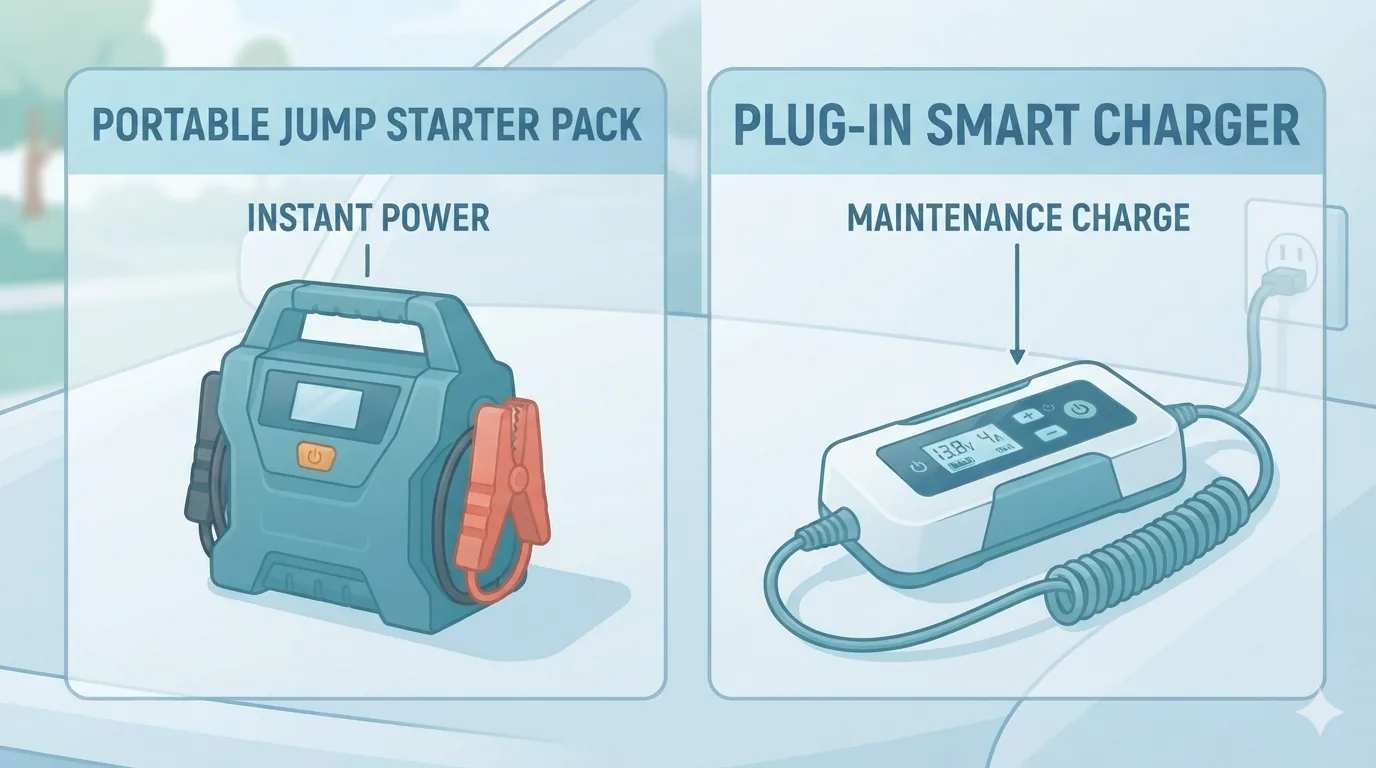
A jump starter is a self-contained battery pack with heavy-gauge cables and clamps. When connected to your car’s battery terminals, it delivers a strong burst of current that helps the engine crank and start, without needing another running vehicle.
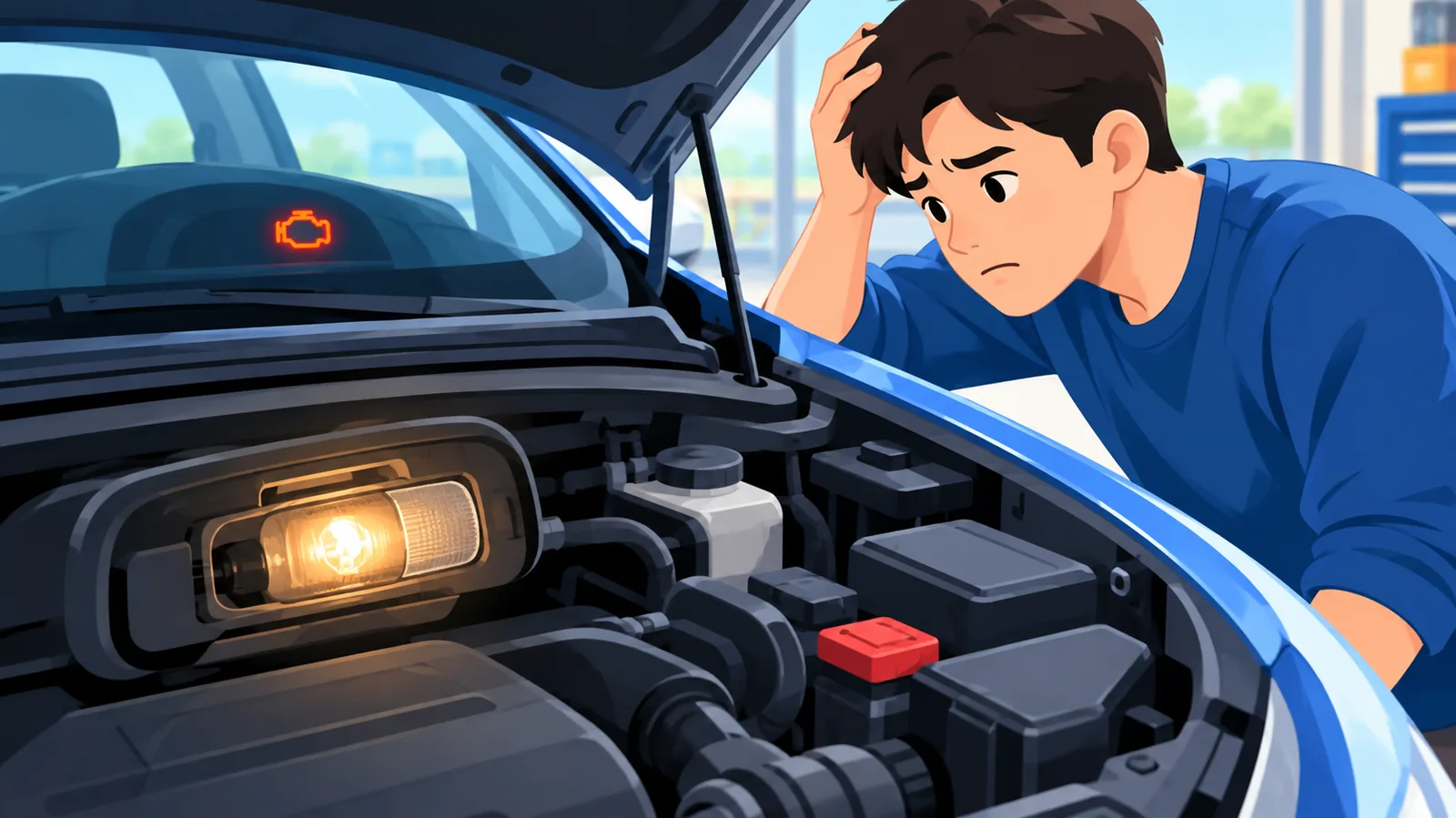
A few terms show up constantly on packaging and product listings:
- Peak amps: the maximum current burst the unit can deliver for starting
- Cranking amps (CA) and cold cranking amps (CCA): standard automotive ratings that describe how much current a battery needs to start an engine
- mAh or Wh rating: the energy capacity of the jump starter’s internal battery
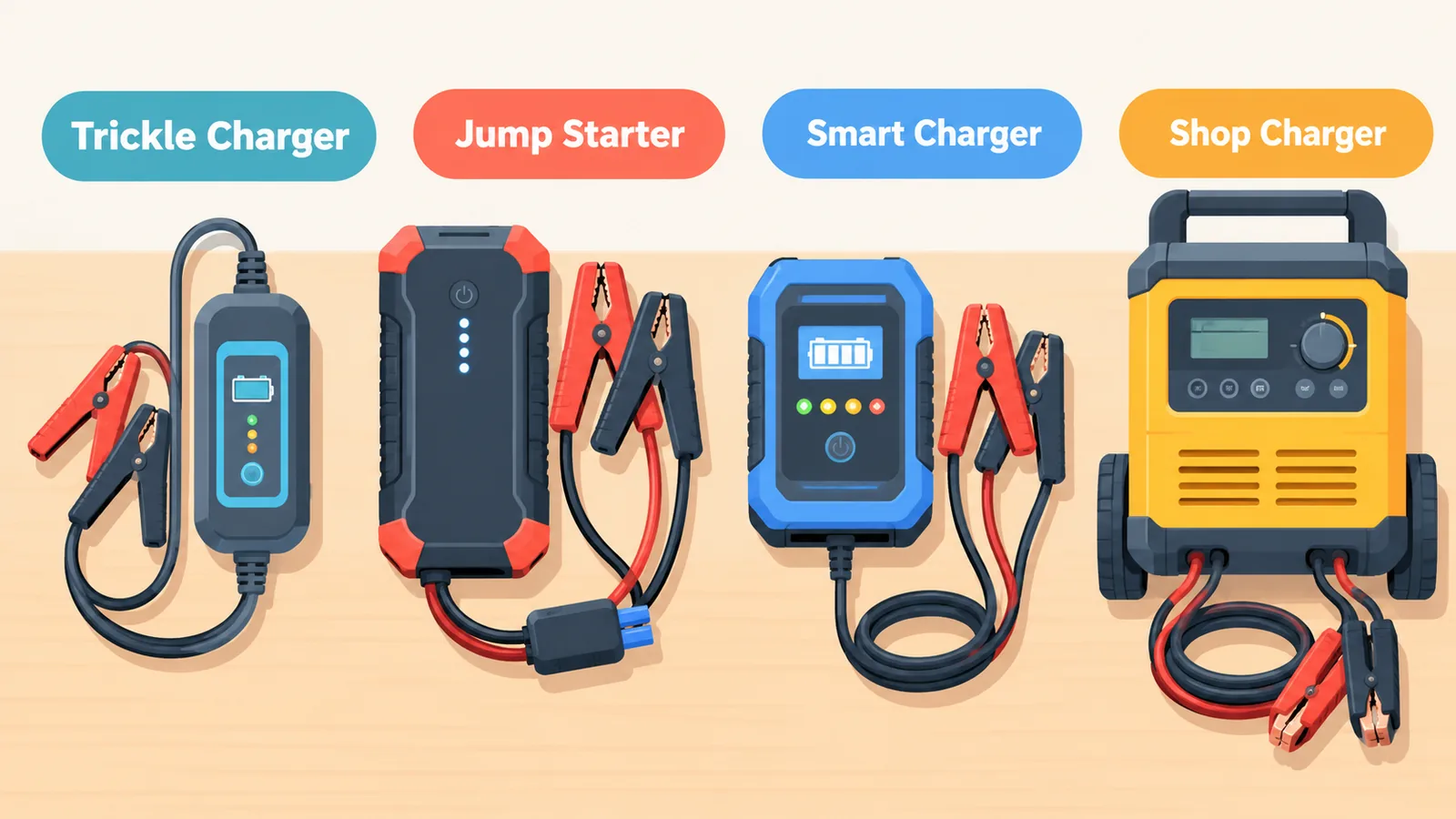
Understanding these terms upfront makes the comparison sections ahead much easier to follow.
Peak Amps vs Cranking Amps: What Actually Matters
This is the single most confusing spec in the entire category, and it’s also the one that determines whether a jump starter will actually work for your vehicle. Peak amps is a marketing spec describing the jump starter’s maximum output. Cranking amps and cold cranking amps describe what your specific engine needs to start, especially in cold weather.
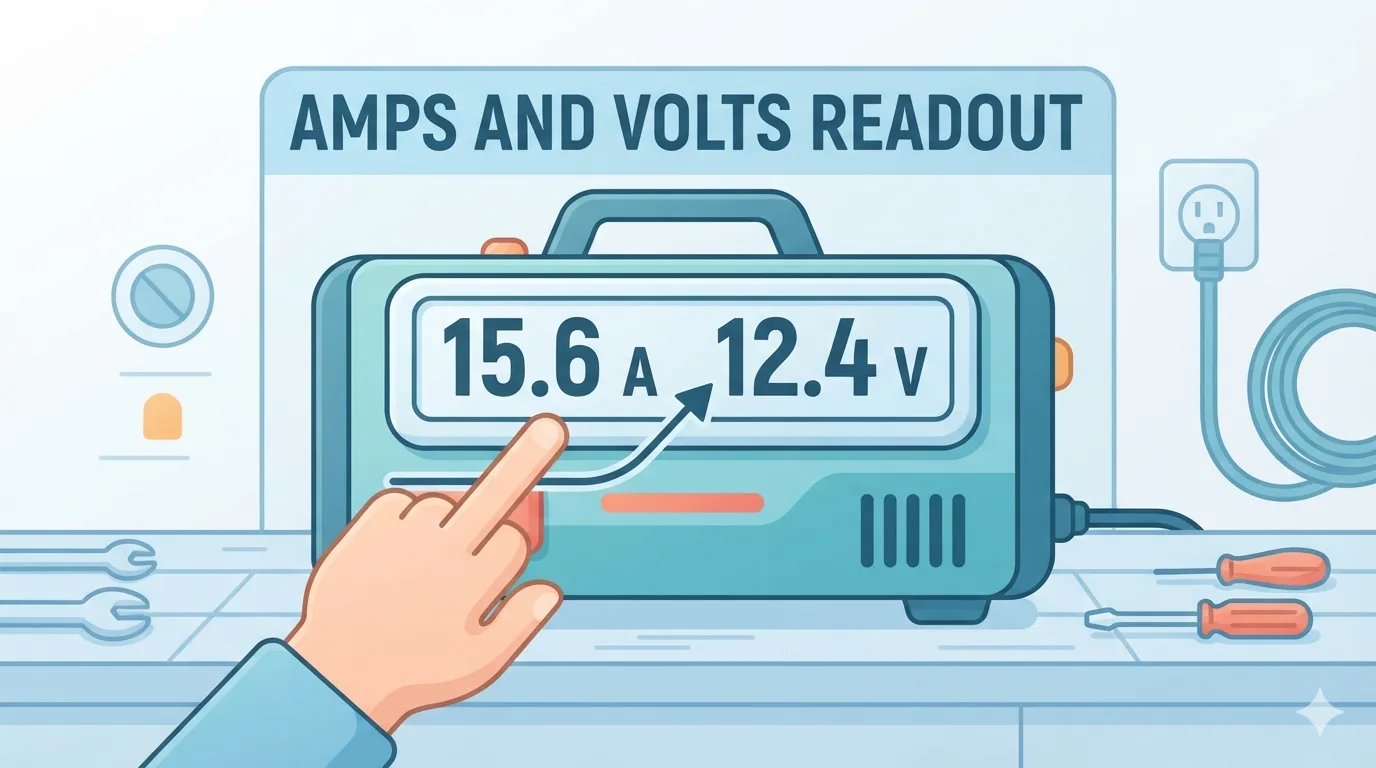
Larger displacement engines and diesel engines generally require higher amperage to start than smaller gasoline engines. Rather than relying on a single universal number, the safest approach is to check your vehicle owner’s manual for its CCA rating and compare that against the jump starter manufacturer’s stated peak amp output for your engine type.
Battery Type Compared: Lithium-Ion vs Lead-Acid Jump Starters
Jump starters are generally built around one of two battery chemistries, and the difference affects weight, storage behavior, and long-term usability.
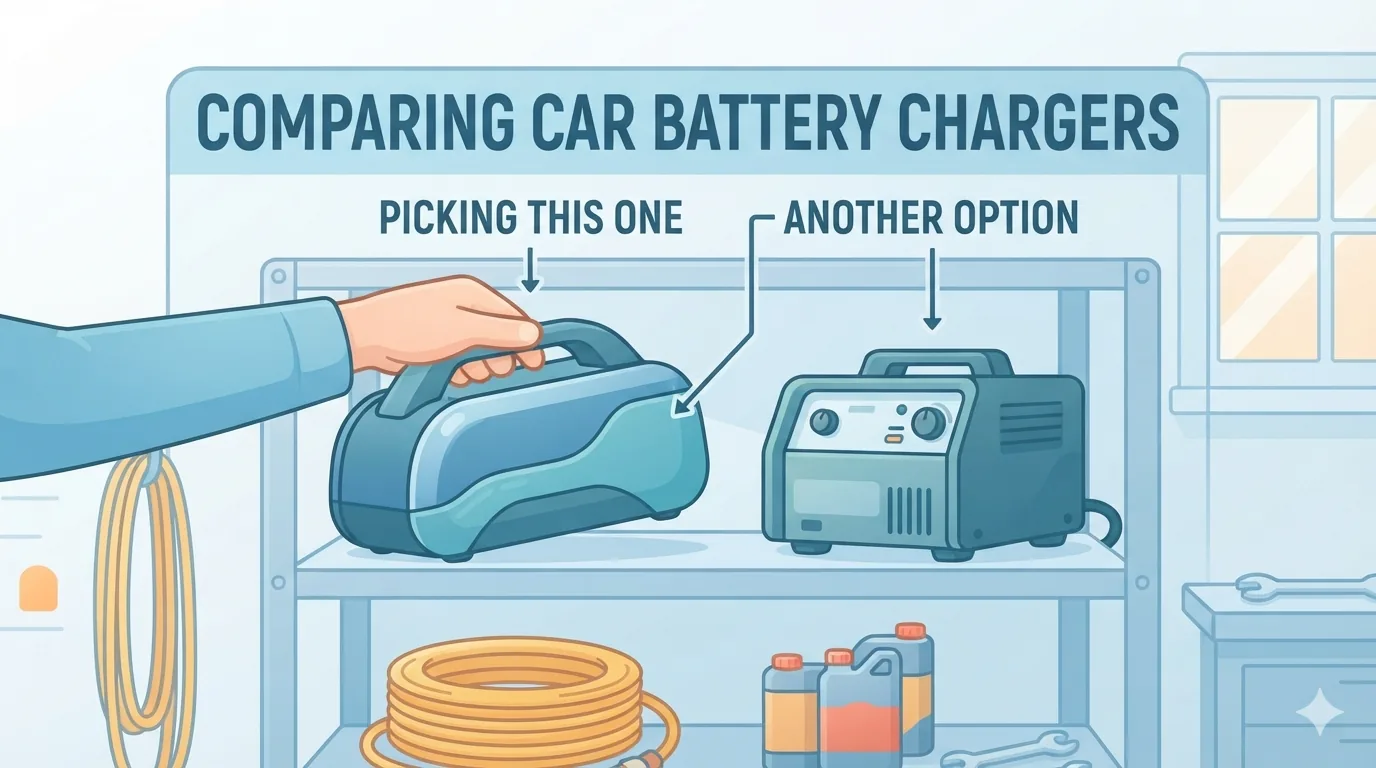
Lithium-ion packs have higher energy density, which makes them noticeably lighter for a given output. They also tend to hold a usable charge over long storage periods better than lead-acid models, thanks to a lower self-discharge rate. Lead-acid units are bulkier and heavier but are often more tolerant of basic handling and don’t carry the same heat-sensitivity concerns.
One trade-off worth noting: lithium-ion batteries degrade faster when left in extreme heat, so a lead-acid unit stored in a hot trunk may hold up more predictably over time, even though it’s heavier day to day.
Key Buying Criteria Before You Choose a Jump Starter
Before comparing specific units, narrow your decision using these criteria:
- Engine compatibility: confirm the unit is rated for your engine size and fuel type
- Portability: consider weight and size if you’ll be lifting it out of a trunk regularly
- Safety circuitry: look for reverse polarity protection and spark-proof clamp technology
- Extra features: air compressors, USB output, and flashlights add convenience but aren’t essential
- Cable quality: thicker gauge cables generally support higher current delivery with less resistance
- Warranty and support: a longer warranty period is often a signal of manufacturer confidence in the internal cells
Comparison Table: Jump Starter Types by Use Case
| Feature | Lithium-Ion Jump Starter | Lead-Acid Jump Starter |
|---|---|---|
| Weight | Lighter, easier to store and carry | Heavier, bulkier for daily handling |
| Charge Retention | Holds usable charge longer in storage | Self-discharges faster over time |
| Heat Sensitivity | More sensitive to prolonged heat exposure | More tolerant of heat during storage |
| Best Use Case | Frequent travelers, glovebox storage | Trunk storage, infrequent but heavy-duty use |
| Relative Upfront Cost | Generally higher upfront cost | Generally lower upfront cost |
Best Use Cases: Matching a Jump Starter to Your Vehicle
Not every driver needs the same unit. A commuter with a compact sedan can generally get by with a smaller, lighter lithium-ion pack, since starting demands are lower. Owners of larger SUVs, trucks, or diesel engines should prioritize units explicitly rated for higher output, since these engines generally demand more current to start.
🛒 Recommended Product
If you frequently drive in cold climates, pay closer attention to how a unit performs in low temperatures, since cold weather increases the current an engine needs to start regardless of jump starter chemistry.
Safety Features That Prevent Damage and Injury
Because a jump starter delivers a strong burst of current directly to your battery terminals, safety circuitry is not optional. Reverse polarity protection prevents damage if the clamps are connected backward, and spark-proof clamp technology reduces the risk of sparking near battery gases during connection.
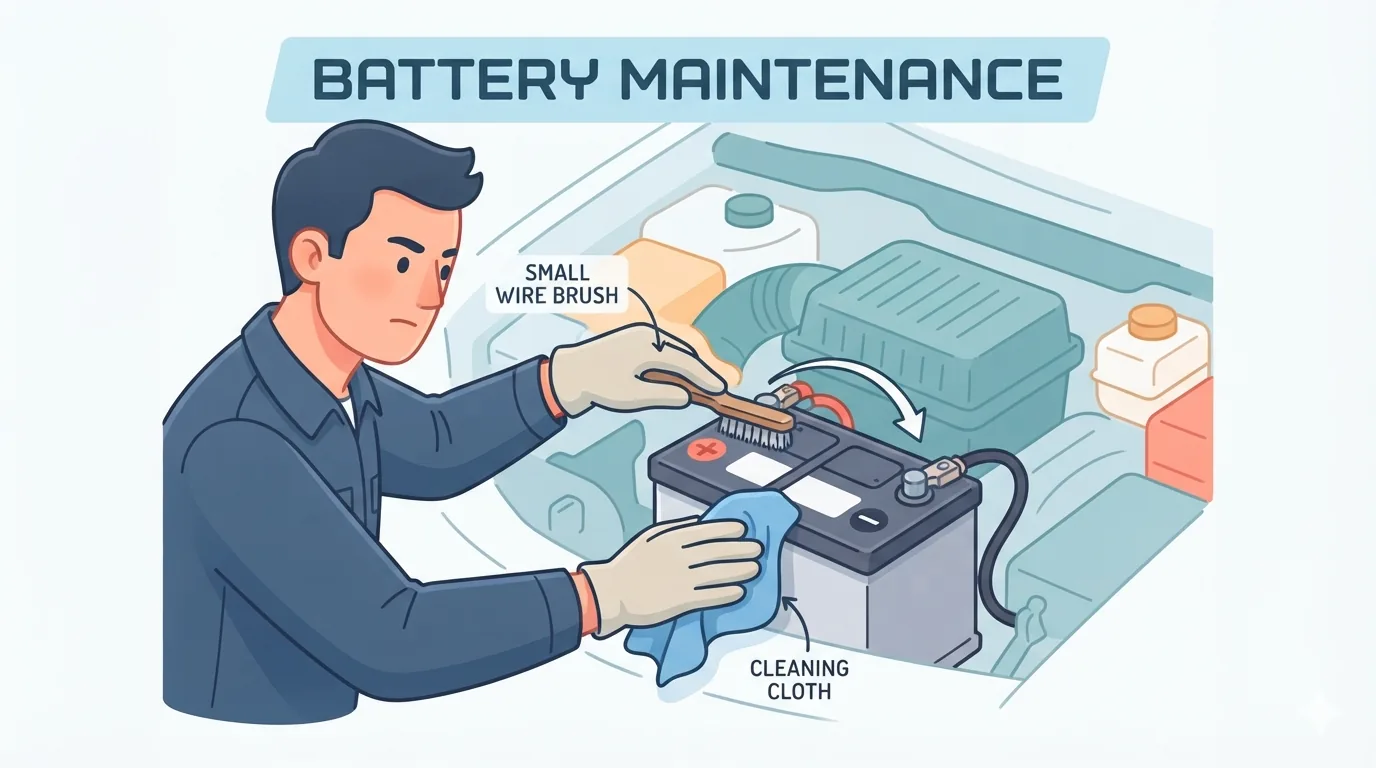
Look for manufacturer-stated protective circuitry and built-in safeguards rather than assuming all units on the market include the same level of protection. These features matter more for everyday safety than secondary conveniences like flashlights or compressors.
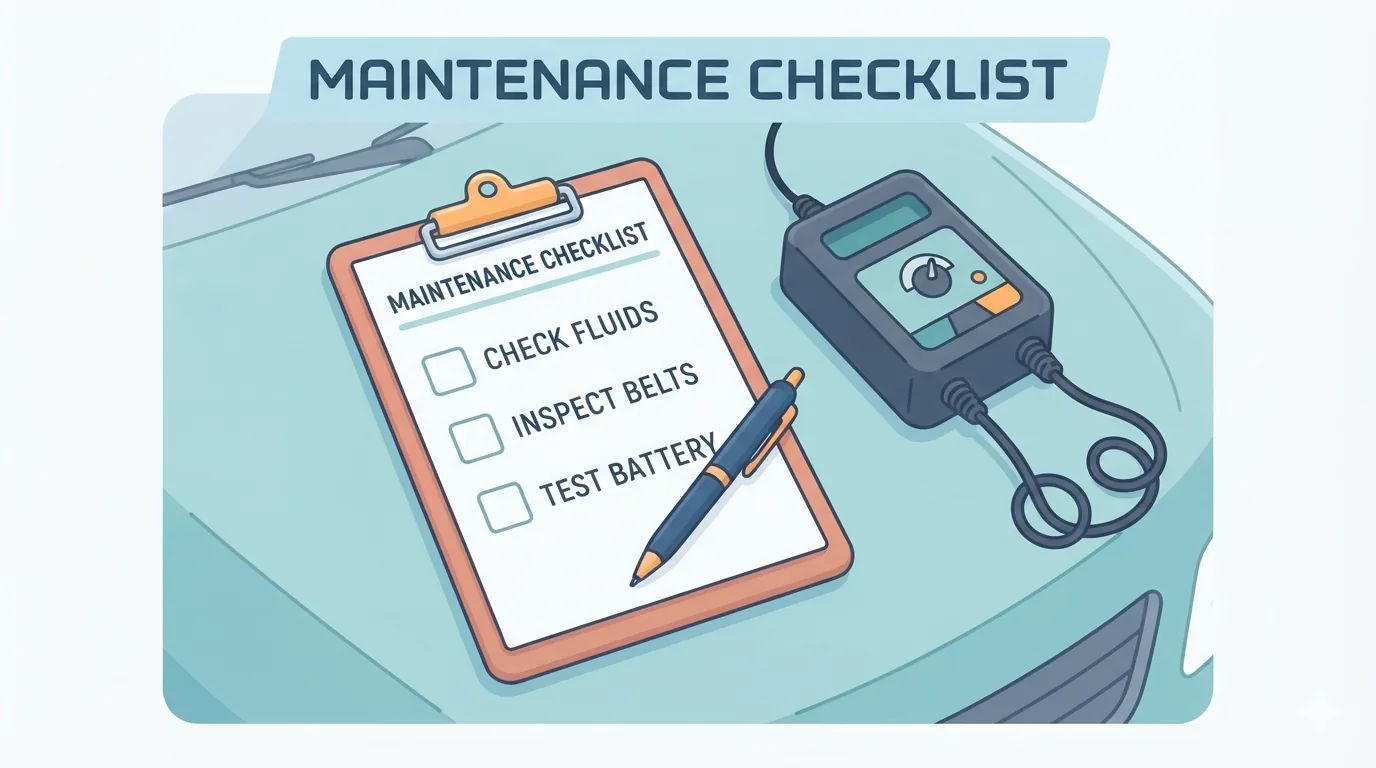
Pre-Purchase Safety and Compatibility Checklist
- Confirm the peak amp rating aligns with your engine size and fuel type
- Verify the battery chemistry fits your storage conditions and climate
- Check for reverse polarity protection and spark-proof clamps
- Decide whether you need a built-in air compressor or USB output
- Review the warranty length as an indicator of build quality
- Inspect cable gauge and clamp construction before purchase
How to Use a Jump Starter Safely, Step by Step
- Turn off your vehicle’s ignition and all electronics before connecting
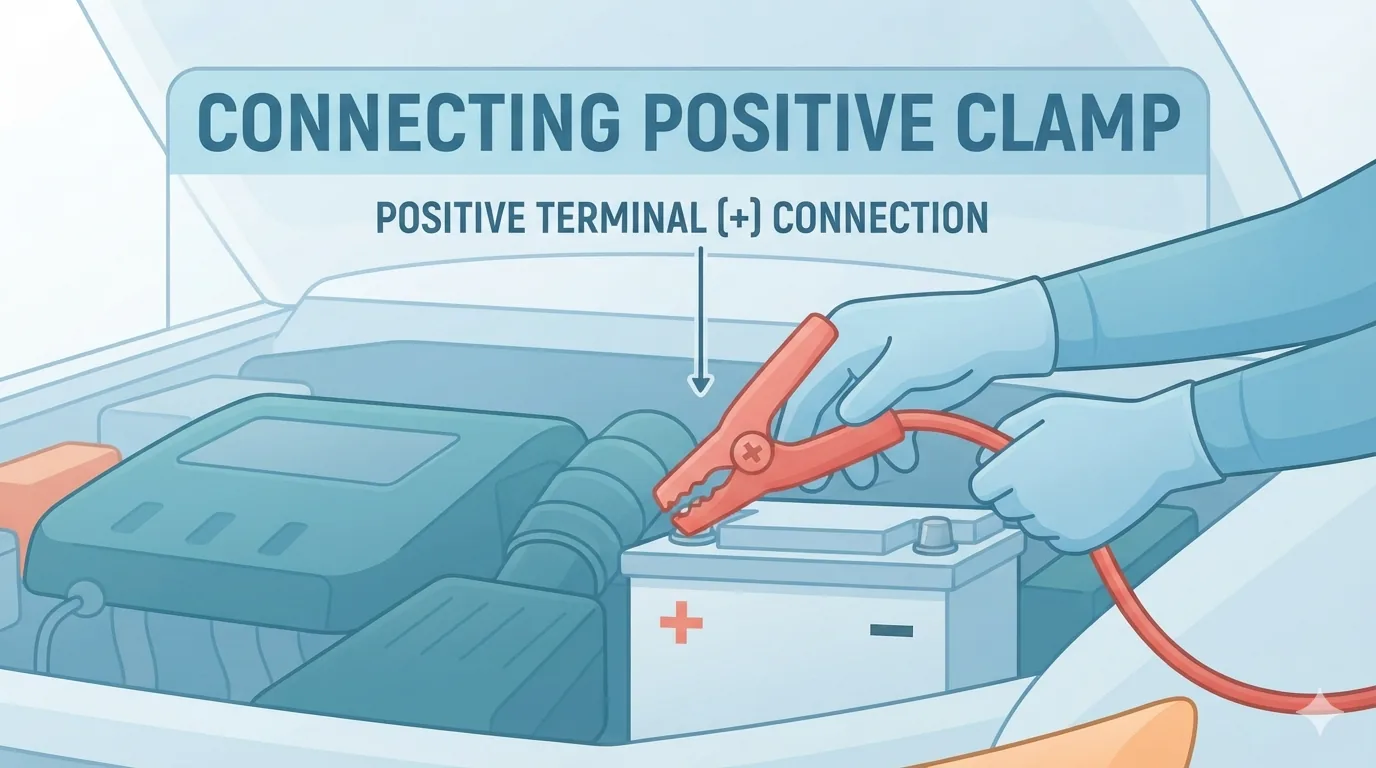
- Connect the positive clamp to the positive battery terminal first
- Connect the negative clamp to an unpainted metal surface away from the battery, not directly to the negative terminal, unless the manufacturer instructs otherwise
- Turn on the jump starter and attempt to start the engine
- Once the engine starts, remove the clamps in reverse order
- Recharge the jump starter as soon as possible after use
Maintenance and Storage Tips to Extend Battery Life
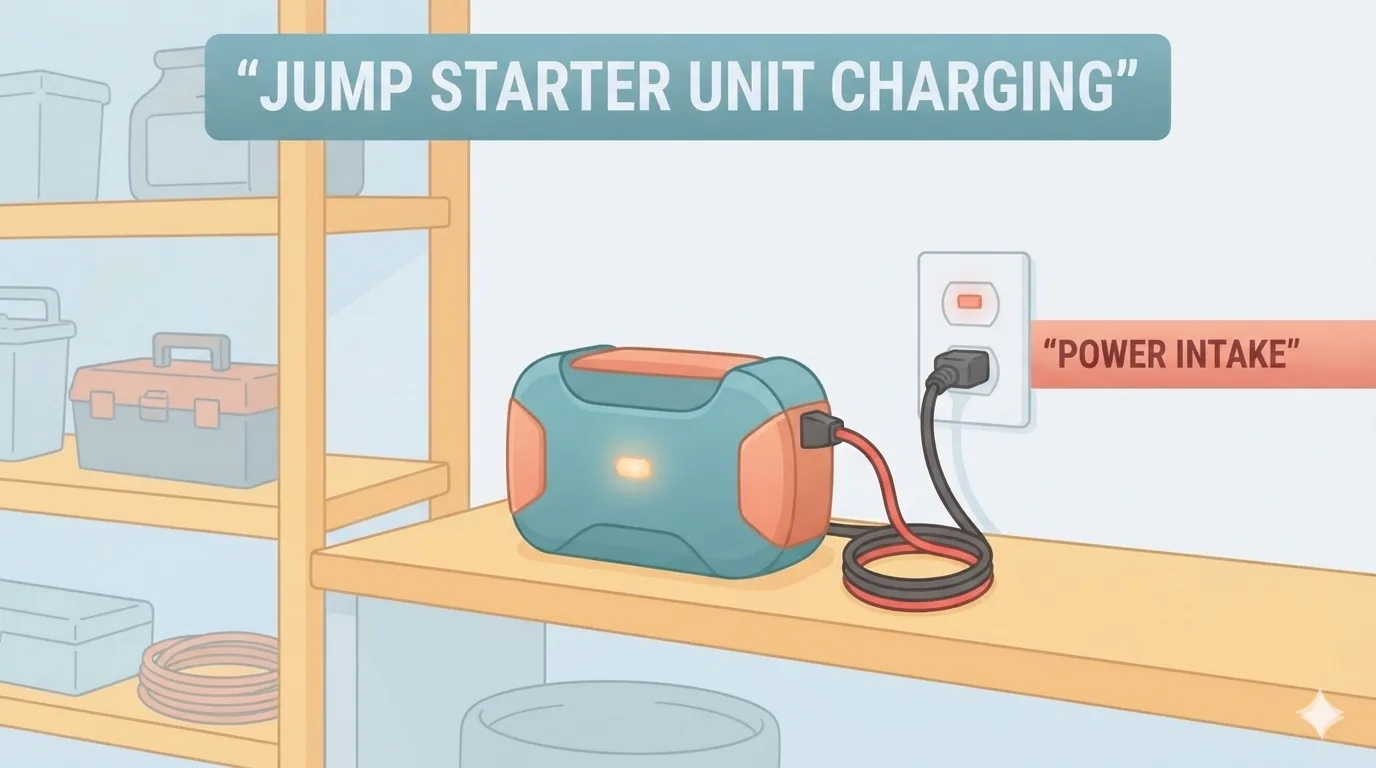
Recharge your jump starter regularly, even if you haven’t used it, since batteries left fully depleted for long periods can lose capacity over time. Avoid leaving lithium-ion units in extreme heat, such as a closed car in direct summer sun, since heat accelerates battery degradation.
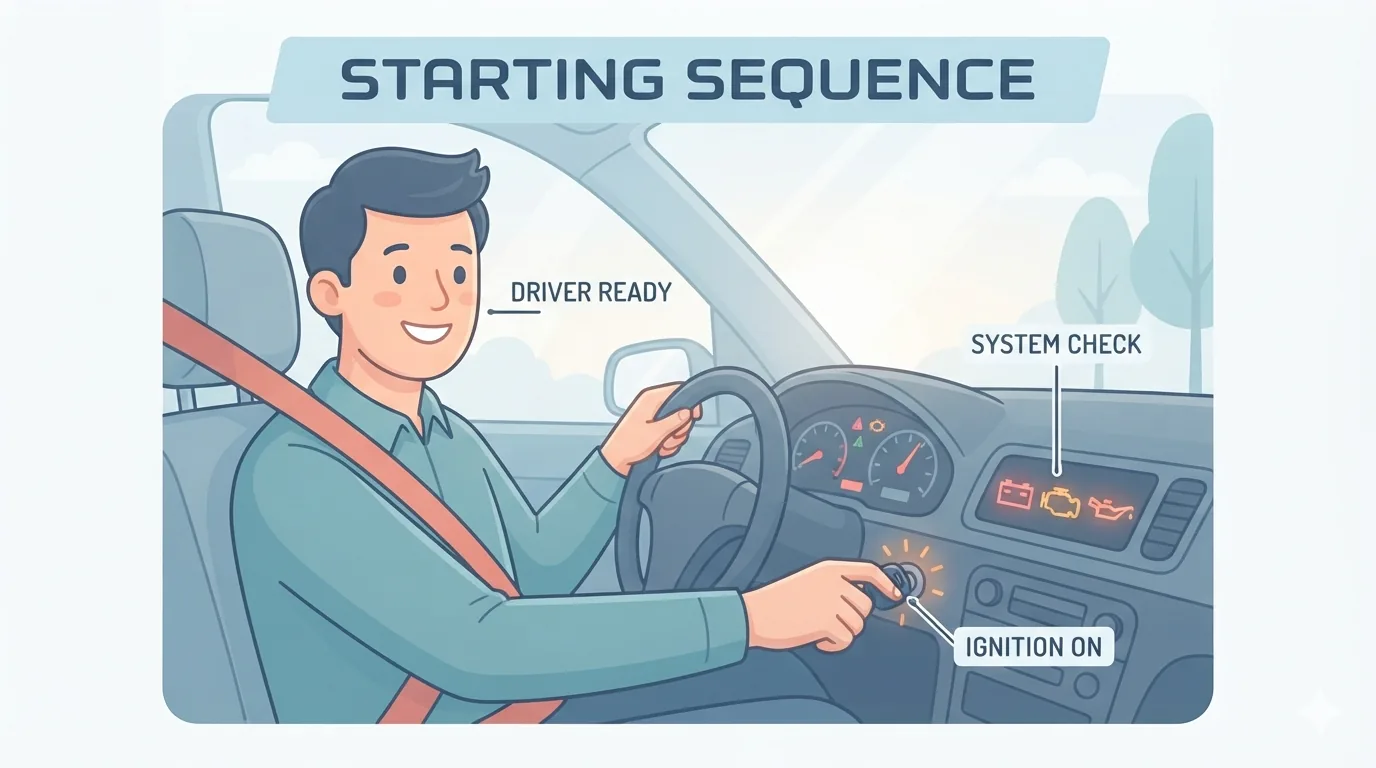
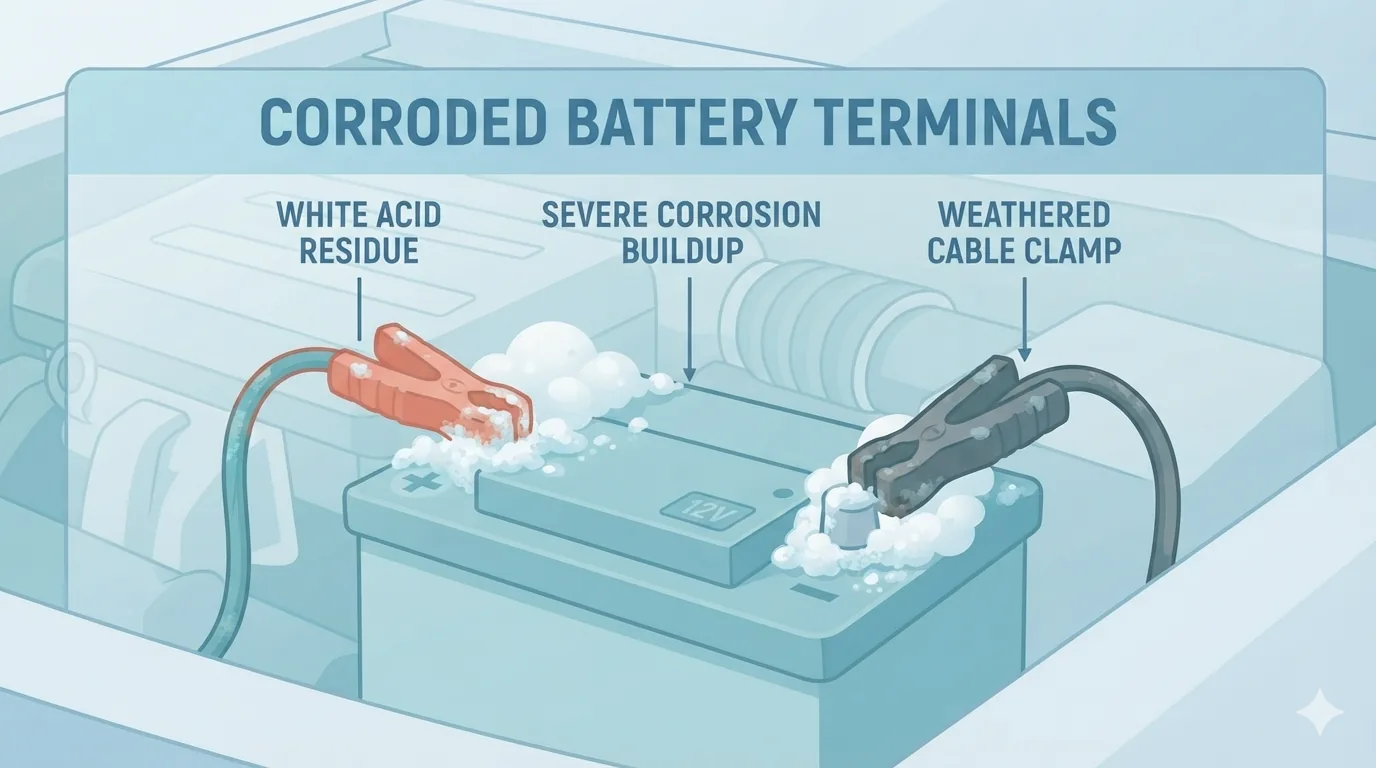
Store the unit somewhere dry and at moderate temperature, and periodically inspect the cables and clamps for wear, since damaged cables reduce current delivery and can become a safety hazard.
Frequently Asked Questions
How long does a jump starter hold its charge?
This varies by brand and battery chemistry. Lithium-ion units generally hold a usable charge over longer storage periods than lead-acid units, but exact duration depends on the specific product, so check the manufacturer’s stated retention claims.
Can a jump starter damage a car battery or electronics?
Used correctly with proper polarity and a unit rated for your vehicle, damage is unlikely. Incorrect polarity connection or using an underrated unit increases risk, which is why reverse polarity protection is an important safety feature to look for.
What peak amperage do I need for a V8 or diesel engine?
Requirements vary by engine and manufacturer. Check your vehicle’s cold cranking amp rating in the owner’s manual and compare it against the jump starter’s stated output for your engine type rather than relying on a single universal number.
How often should I recharge a jump starter in storage?
Manufacturers commonly recommend periodic recharging even when the unit isn’t used, since batteries left fully depleted for extended periods can lose capacity.
Is a lithium jump starter safe to leave in a hot car?
Prolonged exposure to high heat can accelerate degradation in lithium-ion batteries, so it’s generally better to store the unit somewhere cooler when possible.
Want more comparisons and buying guides?