
⚠️ This page connects you to Atovia’s partners and affiliate markets. We may receive a commission from affiliate partners for activities made through these links. Discount offers may change at any time according to policy! Rest assured, there are no additional costs to you! We hope this saves you time in finding the right items!
Search for “best attorneys for wills near me” and you get directories, ranking badges, and ads, with little explanation of what any of it means. This guide gives you a repeatable method instead of a single name: define your needs, build a shortlist from two kinds of sources, verify each lawyer, and go into a first consultation prepared.
As an Amazon Associate I earn from qualifying purchases.
🛒 Recommended Product
One honest note first. There is no universal “best” wills attorney. Rankings differ by publisher, edition year, state or country, and practice area, and none of them guarantees a result for your situation. Wills are also governed by state law, so start by choosing your state and city and writing down what you need the documents to do.
- What “Best Attorney for Wills Near Me” Really Means
- Do You Need a Lawyer to Make a Will?
- Will, Trust, or Power of Attorney: Which Do You Need?
- How Lawyer Rankings and Directories Actually Work
- Firm Rankings vs. Individual Lawyer Rankings
- Why a Big Name Isn’t Always the Right Fit for a Will
- Seven Criteria for Comparing Local Wills Attorneys
- Where to Look: Comparing Places to Find a Wills Attorney
- Build Your Shortlist Step by Step
- What to Ask and Bring at the First Consultation
- Red Flags to Avoid
- Frequently Asked Questions
- Your Next Step
- “Best” depends on your state, how complex your estate is, and your budget.
- Rankings are market-reputation references from the publisher. They are not government certifications and do not guarantee outcomes.
- A firm ranking and an individual lawyer ranking are two different things.
- Verify the lawyer’s license in your state, how much of their practice is wills and estates, how fees work, and who will actually draft your documents.
What “Best Attorney for Wills Near Me” Really Means
The word “near” matters more than the word “best.” Rules for making a valid will vary by state, so you generally want a lawyer licensed where you live and familiar with local practice. Confirm the details for your own state rather than relying on general articles, including this one.
Most readers fall into one of three groups, and each should shop a little differently:
- Simple situation: a straightforward will with a few beneficiaries. Look for clear flat-fee pricing and a focused estate practice.
- Family complexity: minor children, a blended family, or a dependent with special needs. Look for experience with guardianship choices and tailored planning.
- Larger or multi-asset estate: a business, property in more than one state, or cross-border assets. Look for depth, coordination with tax and financial advisors, and a team that can handle the extra moving parts.
Decide which group you are in before you start comparing names.

Do You Need a Lawyer to Make a Will?
Not everyone does, but a lawyer adds clear value in several situations. Use the checklist below. If you answer “yes” to any of the first five questions, a consultation with a local attorney is worth serious consideration.
- Do you have minor children for whom you need to name a guardian?
- Is your family blended, or do you want to treat children or heirs differently?
- Do you own a business or real estate, especially in more than one state?
- Does any heir have special needs, or do you expect a dispute among heirs?
- Do you want to leave assets in a way that has conditions or timing?
- Is your situation simple, with few assets and clear beneficiaries?
If your answer is only “yes” to the last question, a simple will may be enough in some cases. Even then, requirements for signing and witnessing vary by state, so check your state’s rules or ask a licensed attorney before relying on a template.
Will, Trust, or Power of Attorney: Which Do You Need?
People searching for a “wills attorney” often need more than a will. These are the plain-language basics:

- Will: states who receives your property and who you want as executor and, if relevant, guardian for minor children.
- Living trust: a legal arrangement in which assets are held and managed under terms you set. Some people use one alongside a will.
- Power of attorney: names someone to handle financial or legal matters if you cannot.
- Healthcare directive: records your medical wishes and who can speak for you if you cannot.
These documents often work together, and probate, the court-supervised process of settling an estate, is a separate stage that comes later. The mix you need affects what to search for: “wills attorney” and “estate planning attorney” are often used interchangeably, but an estate planning lawyer is more likely to cover the full set. Details vary by state, so confirm locally.
How Lawyer Rankings and Directories Actually Work
Ranking guides are one source of leads, but it helps to know what they measure. Chambers says it builds rankings from submissions, interviews with referees, client feedback, and market reputation. Its criteria include legal ability, client service, team depth, commercial understanding, diligence, and cost-effectiveness. The Legal 500 describes a similar process, comparing firms and lawyers by jurisdiction and practice area using submissions, recent work, interviews, and peer and client feedback.
Three points to keep in mind:

- Rankings are organized by place and practice area. Best Law Firms, for example, groups firms into three tiers by region or country and practice area. Its rankings are not a single global list.
- Editions change. Chambers Global publishes by edition year, so check the publication date on anything you rely on.
- They are references, not certifications. A ranking reflects the publisher’s research. It is not a court or government quality seal and does not promise a result.
These guides are firm-level resources, and they may not cover individual wills work in your area. Check whether your practice area and region are included before leaning on a ranking.
Firm Rankings vs. Individual Lawyer Rankings
Chambers states that a firm can be ranked without every lawyer there being individually ranked, and the reverse can also happen. For you, the lesson is simple: a badge on a firm’s website does not tell you about the person who will actually draft your will.
Example scenario: a firm advertises a ranking, but your documents would be prepared by an associate you have never met. Ask who will do the work, how much of that person’s practice is wills and estates, and how long they have been licensed. Then check that individual’s license and record directly.

Why a Big Name Isn’t Always the Right Fit for a Will
A firm’s size or revenue does not show that it suits an individual estate plan. What matters is the handling lawyer’s relevant experience, local licensure, and clear fee terms.
- A boutique or solo estate planner may fit better when your needs are common, you want direct access to the attorney, and you prefer predictable pricing. Confirm how much of the practice is devoted to wills and estates.
- A larger firm may make sense when you have complex wealth, business interests, or assets across borders, and you benefit from specialists working together.
The trade-offs are usually cost, responsiveness, and depth of resources. Ask each candidate how they would handle your situation and compare the answers.
Seven Criteria for Comparing Local Wills Attorneys
These are practical checks, not official standards. Use them to compare candidates side by side.

- Active license in your state. Confirm the lawyer is licensed where you live.
- Focus on wills and estates. Ask what share of the practice is estate planning.
- Relevant experience. Look for matters similar to yours, such as guardianship choices or blended families.
- Fee model and scope. Ask whether pricing is flat or hourly and exactly what is included.
- Who does the work. Clarify the roles of the attorney and any support staff, and how often you will hear from them.
- Process. Ask about document review, signing and witnessing support, safe storage, and future updates.
- Reviews and disciplinary record. Read client feedback with caution and check the state’s public record.
For the last point, most state bars and court licensing agencies let you search a lawyer by name to confirm license status, and many show public disciplinary records. A few states handle this differently, so look for your state’s official bar or court licensing site.
🛒 Recommended Product
Where to Look: Comparing Places to Find a Wills Attorney
Use at least two different kinds of sources so no single list decides for you.

| Source type | Best for | What it shows | Limits to know |
|---|---|---|---|
| Ranking guides (Chambers, The Legal 500, Best Law Firms) | Checking reputation of firms in a region and practice area | Firm and lawyer evaluations built from published methods | Firm-level and often business-oriented. Confirm they cover wills in your area, and check the edition year. |
| Consumer lawyer directories (for example Wills.com, FindLaw, LawInfo) | Browsing local lawyers by state or city | Listings and profiles, with local pages and educational sections | These are directory-style tools. Treat listings as leads and verify each lawyer yourself. |
| State bar and court licensing sites | Verifying license status | Whether a lawyer is licensed and, often, public discipline | Features differ by state. They verify standing, not quality or fit. |
| Personal referrals | Hearing about communication style and service | First-hand experience from people you trust | Their needs may differ from yours. Still verify the license and fees. |
One caution: Vault’s 2026-2027 international practice-area ranking is based on a survey of US law firm employees. It is a different kind of ranking and should not be read as a measure of client-side quality.
Build Your Shortlist Step by Step
- Define your needs. Write down your state, city, and the documents you think you need.
- Gather candidates. Collect five to eight names from at least two source types.
- Verify each one. Confirm the license and look for public disciplinary history.
- Read the profiles. Favor lawyers who say wills and estate planning are a core part of their work.
- Narrow to three. Book consultations with your top picks.
Use a simple scoring grid to compare them. Score each from 1 to 5 on every row and total the results.
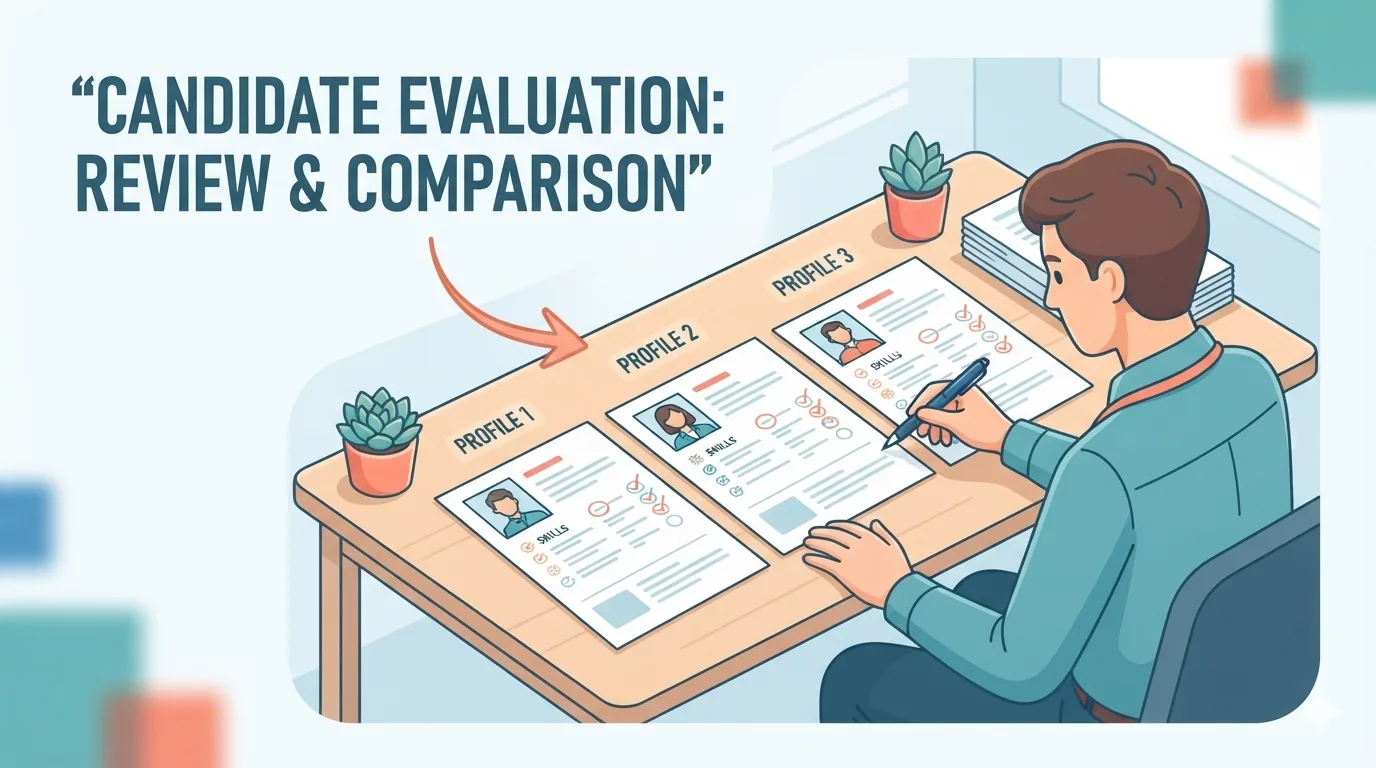
| Criterion | Candidate 1 | Candidate 2 | Candidate 3 |
|---|---|---|---|
| Licensed in my state | |||
| Estate focus | |||
| Similar experience | |||
| Fee clarity | |||
| Communication | |||
| Process and updates | |||
| Record and reviews |
What to Ask and Bring at the First Consultation
Questions to ask:
- Have you handled situations like mine, and how?
- What exactly does your fee cover, and what costs extra?
- What is the expected timeline and who will do the drafting?
- How do updates work, and what do they cost?
- Where will my signed documents be stored?
- What happens if I move to another state?
What to bring:

- A list of your assets and accounts
- Your choices for beneficiaries and, if relevant, guardians
- Any existing wills or estate documents
- Names of people you are considering as executor
Some attorneys offer free initial consultations and others charge, so ask about this when you book.
Red Flags to Avoid
- Guarantees about outcomes
- Pressure to buy documents or products you do not need
- Vague or shifting fee explanations
- No license number, or reluctance to let you verify it
- Unwillingness to say who will draft your documents
- Relying only on a ranking badge instead of answering your questions
Frequently Asked Questions
How much does a wills attorney cost?
It varies. The main drivers are how complex your estate is, whether pricing is flat or hourly, what the fee includes, your location, and whether trusts or other documents are added. Ask each candidate for a written description of scope and cost.

How long does it take to get a will drafted?
It depends on complexity and the attorney’s schedule. Ask for an expected timeline when you book.
Can I update my will later, and when should I?
Yes, wills can generally be changed. People often review them after major life events such as marriage, divorce, a birth, or a significant change in assets. Ask your attorney how updates are handled and priced.
Is an online will valid?
That depends on your state’s rules. Check them or ask a licensed attorney before relying on any online document.
What is the difference between a will and a trust?
A will states who gets your property and names an executor. A living trust holds assets under terms you set. Some people use both. A local attorney can explain which fits your goals.
Does a higher-ranked lawyer mean a better result?
No. Rankings reflect a publisher’s research into reputation and do not guarantee outcomes. Weigh them alongside the handling lawyer’s experience, license, and fee terms.
Your Next Step
Finding a good wills attorney comes down to a few habits: match the lawyer to your state and situation, treat rankings as one input, verify the license, and compare candidates on the same criteria.
- Write down your state, city, and document needs.
- Build a shortlist from two source types and verify each license.
- Book consultations with your top three and score them on the grid.
Want to see how a jurisdiction- and practice-area-based search works? The Chambers Global guide is one reference among several. We do not endorse any single attorney or firm.
This article offers general information, not legal advice. Laws vary by state, so consult a licensed attorney about your situation.
References
Want more comparisons and buying guides?