
⚠️ This page connects you to Atovia’s partners and affiliate markets. We may receive a commission from affiliate partners for activities made through these links. Discount offers may change at any time according to policy! Rest assured, there are no additional costs to you! We hope this saves you time in finding the right items!
There’s a specific kind of dread that shows up on Sunday evening, right around the time you start thinking about Monday. Maybe you’re watching the clock more than you used to. Maybe you’ve caught yourself rereading the same job posting three times this week. If any of that sounds familiar, you’re not imagining things — but a vague feeling isn’t the same as a clear answer. This guide breaks the decision down into concrete signs, a side-by-side comparison of what staying versus leaving actually looks like, and a practical checklist so you can move from “something feels off” to “here’s what I’m doing next.”
- Why This Decision Feels So Hard
- Sign 1: You’ve Stopped Learning or Growing
- Sign 2: Your Values and the Company’s Direction Have Diverged
- Sign 3: The Job Is Affecting Your Health
- Sign 4: You’re Consistently Underpaid or Undervalued
- Sign 5: There’s No Path Forward Internally
- Sign 6: Dread Has Become the Default Emotion
- Sign 7: You Daydream About Leaving More Than You Engage
- Comparison Table: Stay vs. Leave Criteria
- Decision Checklist Before You Resign
- How to Make the Transition Smoothly
- Frequently Asked Questions
- Stagnation, values conflict, and health impact are among the strongest signals that it’s time to consider leaving.
- A stay-or-leave decision should weigh your financial readiness and internal options before you start looking externally.
- Many people recognize the feeling well before they act on it, often held back by sunk-cost thinking and fear of instability.
Why This Decision Feels So Hard
Leaving a job is rarely just a logistical decision — it’s an emotional one. You’ve invested time, built relationships, and maybe even tied part of your identity to your role or the company. That makes it hard to separate “this job isn’t working” from “I’m giving up.” Add in the fear of the unknown versus the comfort of a known routine, even an uncomfortable one, and it’s easy to see why so many people stay longer than they intend to. Recognizing this friction is the first step to making a clear-eyed decision instead of an emotional stall.
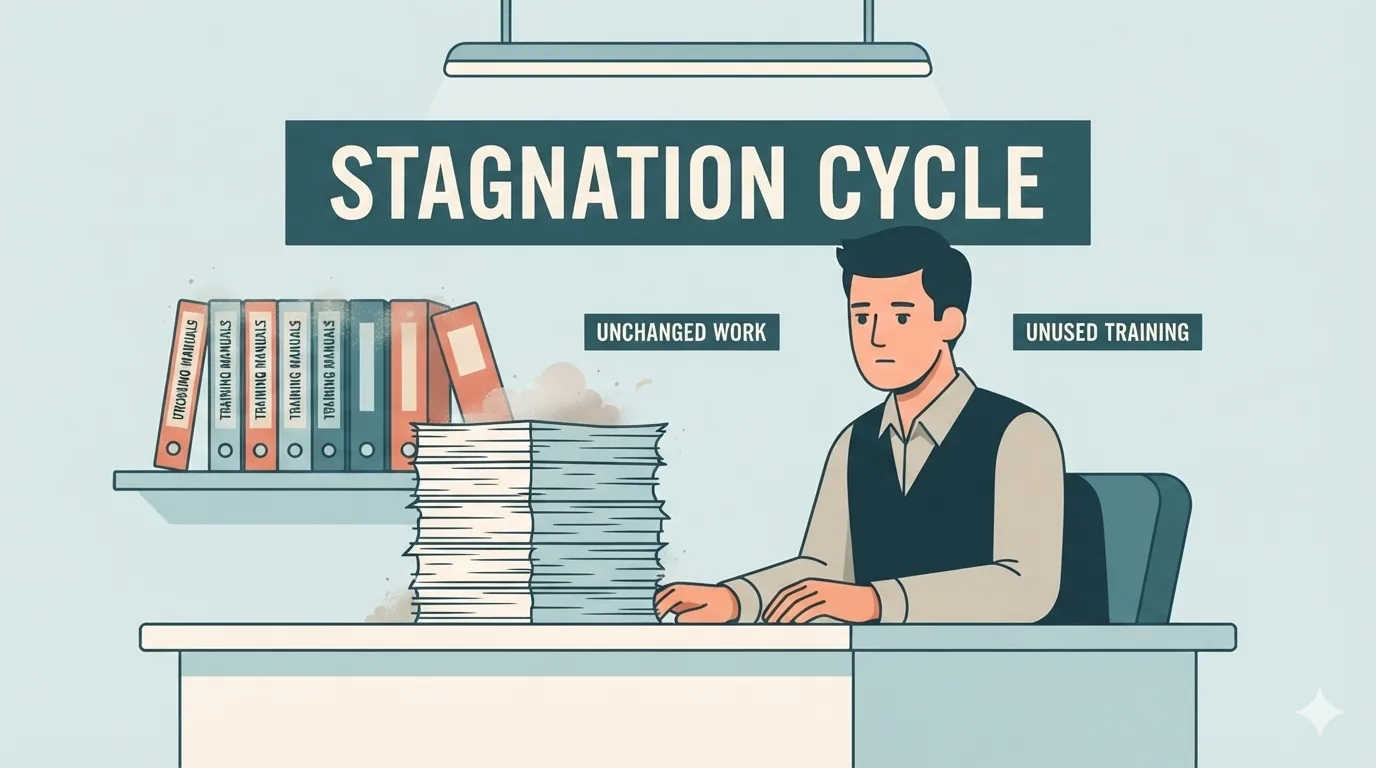
Sign 1: You’ve Stopped Learning or Growing
Growth doesn’t have to mean a promotion — it can mean new skills, new projects, or new challenges. If you can’t point to anything you’ve learned in the past year, if your responsibilities have stayed identical for two years or more, or if you’re never offered stretch projects even when you ask, that’s a real signal. A job that stops teaching you anything new is a job that’s quietly capping your future options.
Sign 2: Your Values and the Company’s Direction Have Diverged
Sometimes it’s not the work itself but the direction of the company. Maybe leadership has made decisions that conflict with your personal ethics, the mission has shifted from what drew you there in the first place, or policies keep reversing in ways that erode trust. When you find yourself disagreeing with the “why” behind your work more often than not, that misalignment tends to grow rather than fade.

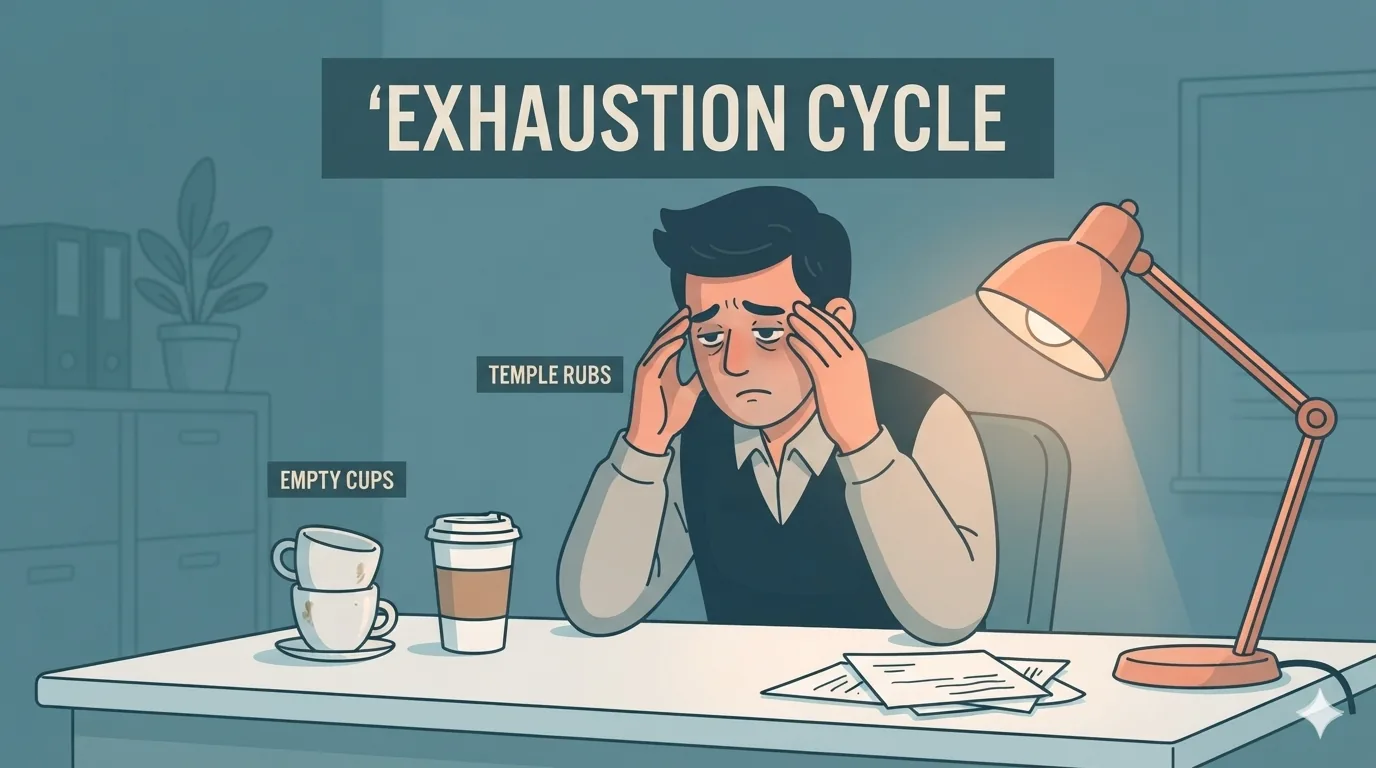
Sign 3: The Job Is Affecting Your Health
Occasional stress is part of any job. A different pattern is when work-related stress starts affecting your sleep, causes ongoing physical tension, or leaves you feeling depleted in ways that don’t improve on weekends or vacations. This is one of the clearest signals to treat as a hard stop rather than something to push through. If these effects are persistent, it’s worth talking to a doctor or mental health professional, not just weighing a career decision.
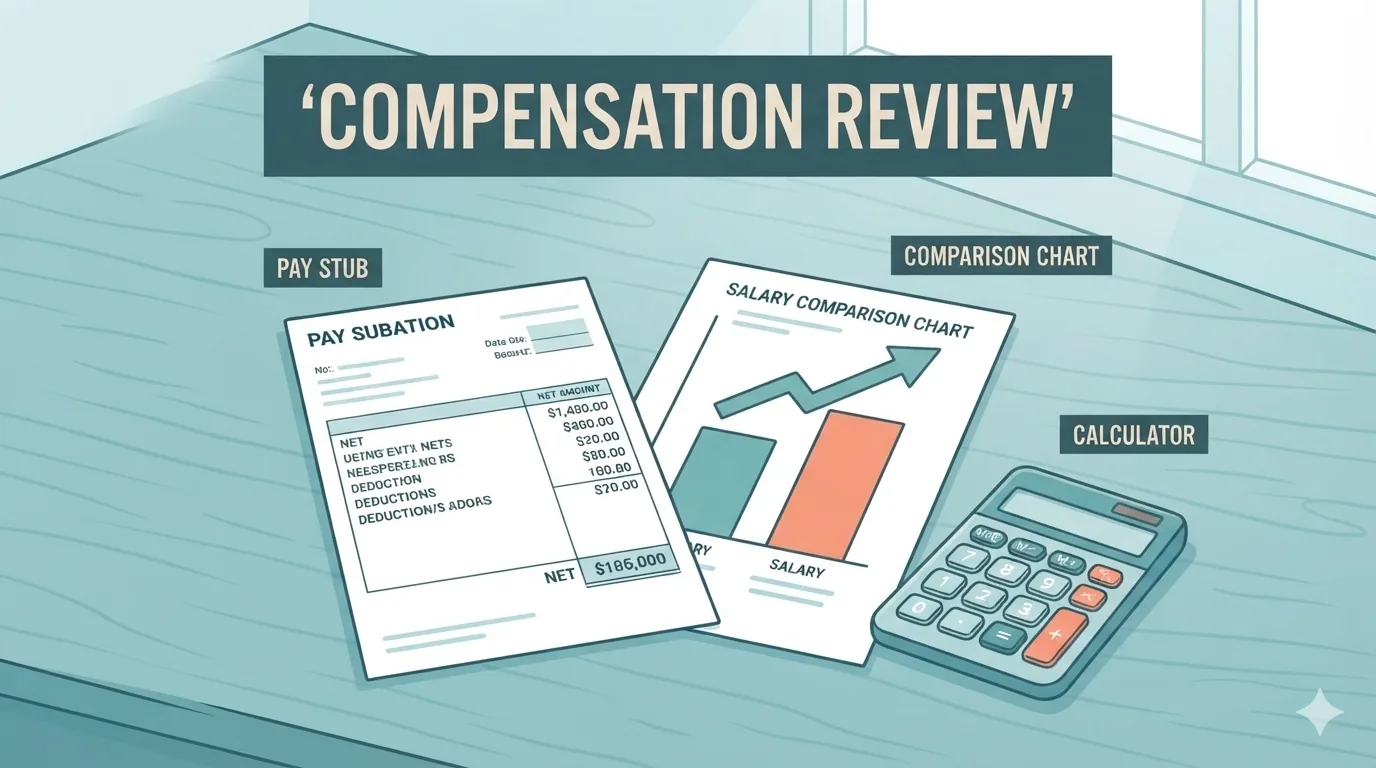
Sign 4: You’re Consistently Underpaid or Undervalued
Pay is worth examining honestly. Look at how your compensation compares to similar roles in your market, whether you’ve been passed over for promotions despite strong performance reviews, or whether your ideas and work have been credited to someone else more than once. A single missed raise isn’t necessarily a red flag — a repeated pattern is.
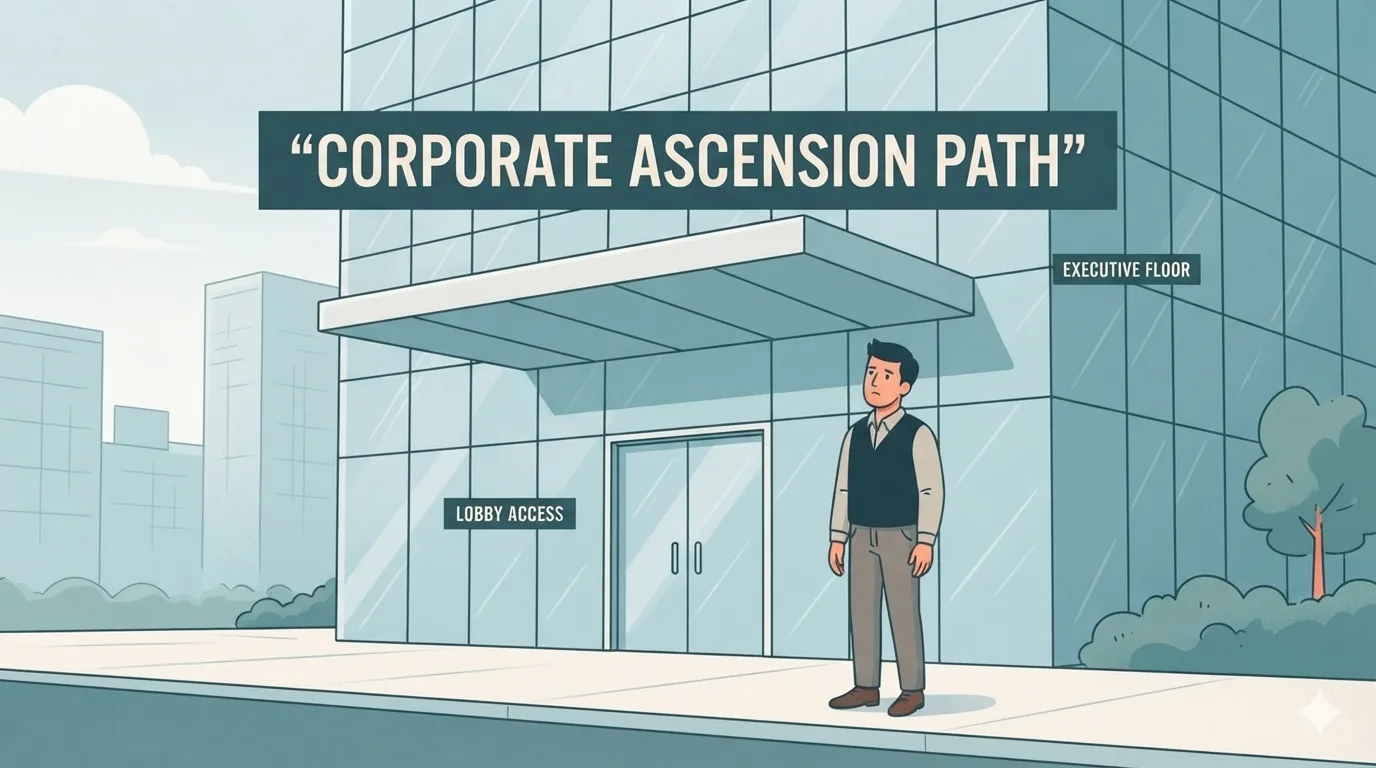
Sign 5: There’s No Path Forward Internally
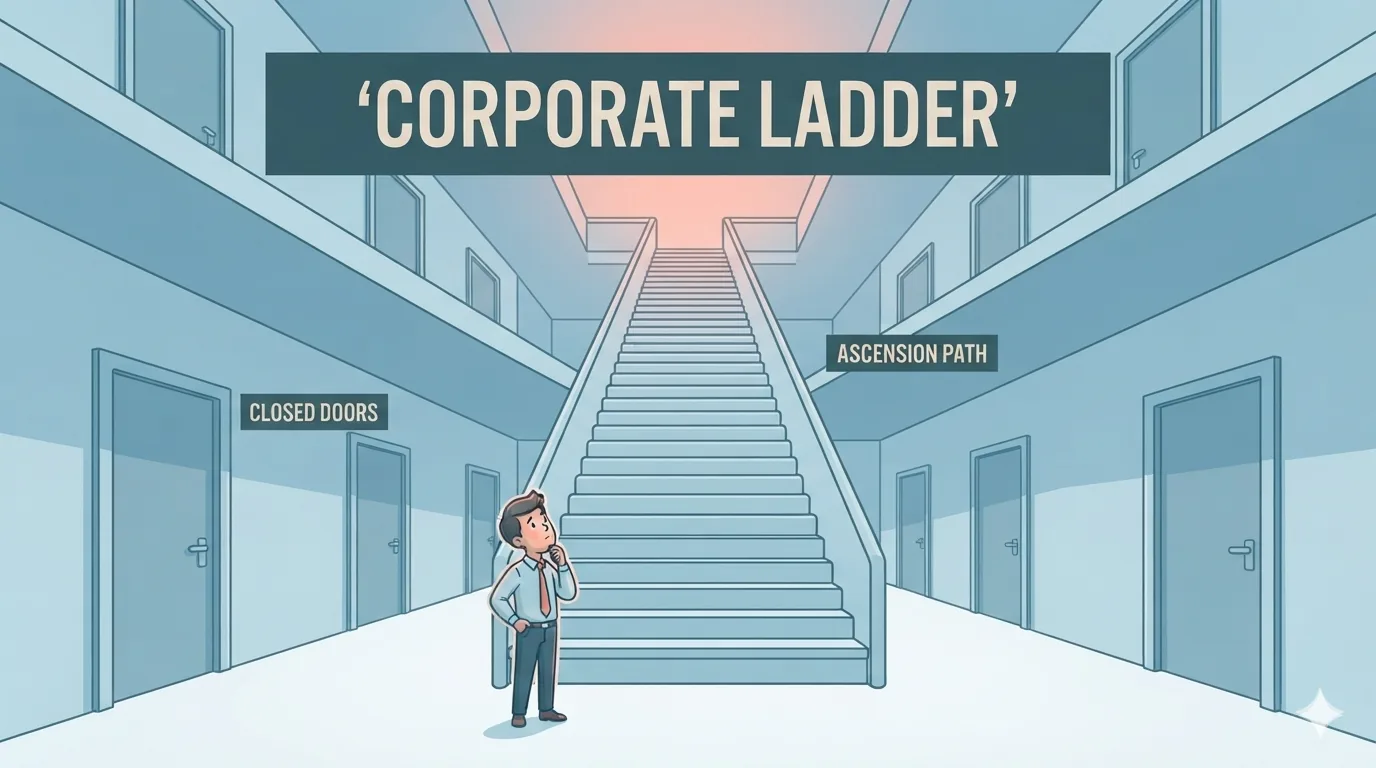
Ask yourself whether there’s actually a next step available to you where you are. Are there open roles above you? Is the org structure so flat that there’s nowhere to grow into? Has your manager shown any willingness to advocate for you? If the honest answer is that your current company has no room for your next chapter, that’s important information — regardless of how much you like the day-to-day work.
Sign 6: Dread Has Become the Default Emotion
Every job has hard days. The distinction to watch for is whether dread, cynicism, or a sense of detachment has become your baseline rather than the exception. These are common early markers people describe when they’re running on empty at work. This isn’t a diagnosis — it’s a pattern worth naming honestly, and one worth discussing with a professional if it doesn’t ease up.
🛒 Recommended Product
Sign 7: You Daydream About Leaving More Than You Engage
Notice your own behavior. Are you browsing job boards during work hours more than you’re focused on your actual tasks? Are you mentally checked out in meetings? Does your energy only show up after you log off? These behavioral tells are often more honest than how you’d describe your job satisfaction if someone asked you directly.
| Criteria | Signs Point to Stay | Signs Point to Leave |
|---|---|---|
| Growth | New skills, projects, or responsibilities are actively developing | No meaningful growth in a year or more |
| Pay | Compensation is in line with the market and reviewed fairly | Pay lags the market with no clear path to close the gap |
| Values fit | Company direction still aligns with your personal values | Leadership decisions conflict with what matters to you |
| Health impact | Work stress is manageable and doesn’t follow you home | Sleep, mood, or physical health are consistently affected |
| Internal mobility | A believable next step exists where you are | No visible path forward internally |
Comparison Table: Stay vs. Leave Criteria
Use the table above as a gut check rather than a scoring system. If most rows land in the “leave” column, that’s a strong signal the discomfort you’re feeling isn’t temporary. If most land in “stay,” the issue may be more specific and solvable — a conversation with your manager, a change in scope, or a boundary you haven’t set yet.
Decision Checklist Before You Resign
- Confirm you have enough savings set aside to cover a gap in income
- Update your resume and professional profiles before you need them
- Line up references who can speak to your recent work
- Research target companies or roles so you’re not applying blind
- Have at least one honest conversation internally first, in case the real issue is solvable where you are
How to Make the Transition Smoothly
Once you’ve decided, execution matters. Time your resignation thoughtfully rather than reactively. Giving two weeks’ notice is the customary practice in most U.S. workplaces, even though it isn’t a legal requirement, and it helps preserve the relationship. When you have the departure conversation, keep it factual and forward-looking rather than airing every grievance. Bridges you don’t burn now can matter more than you expect later in your career.
Frequently Asked Questions
How long should I wait before deciding to quit?
There’s no universal timeline. What matters more is whether the signs above are occasional or consistent. A pattern that’s held steady for months, despite your efforts to address it, is a stronger signal than a single bad quarter.
Should I quit before or after securing a new job?
Financial stability generally favors having something lined up first, or at minimum a clear savings buffer, unless your health or safety is directly at risk.
What if only one or two signs apply to me?
Not every sign needs to apply. A single severe issue, like a serious health impact, can outweigh several milder ones. Weigh severity, not just count.
How do I know if it’s the job or just a bad season?
A bad season tends to have a clear cause and an end point — a tough project, a temporary staffing gap. If the discomfort persists after that specific cause resolves, it’s more likely the role itself.
Want more comparisons and buying guides?