
⚠️ This page connects you to Atovia’s partners and affiliate markets. We may receive a commission from affiliate partners for activities made through these links. Discount offers may change at any time according to policy! Rest assured, there are no additional costs to you! We hope this saves you time in finding the right items!
- What Is Total Quality Management (TQM)?
- The Core Principles That Link TQM to Customer Needs
- How TQM Identifies and Measures Customer Needs
- TQM vs Traditional Quality Control: Comparison of Customer-Focus Criteria
- TQM vs Other Quality Frameworks (Six Sigma, ISO 9001) on Customer Orientation
- Key Customer-Focused Tools Used in TQM
- Checklist: Is Your Organization’s TQM Approach Truly Customer-Focused?
- Common Mistakes That Weaken Customer Focus in TQM
- Real-World Example of Customer-Focused TQM in Action
- Frequently Asked Questions
- Conclusion and Next Steps
A customer submits a complaint about a defective product. The inspection team confirms the defect, replaces the item, and closes the ticket. Three months later, the same defect resurfaces in a different batch, and the same customer complains again. This is the gap that Total Quality Management (TQM) was built to close: not just catching problems, but redesigning the process so the customer never has to raise the same issue twice. Understanding how TQM keeps customer needs at the center of every decision, and how it compares to other quality frameworks, is essential for anyone evaluating or building a quality program.
- TQM treats customer needs as the primary standard for defining quality, not an afterthought to internal metrics.
- Customer focus is supported by continuous improvement, employee involvement, and process-centered thinking.
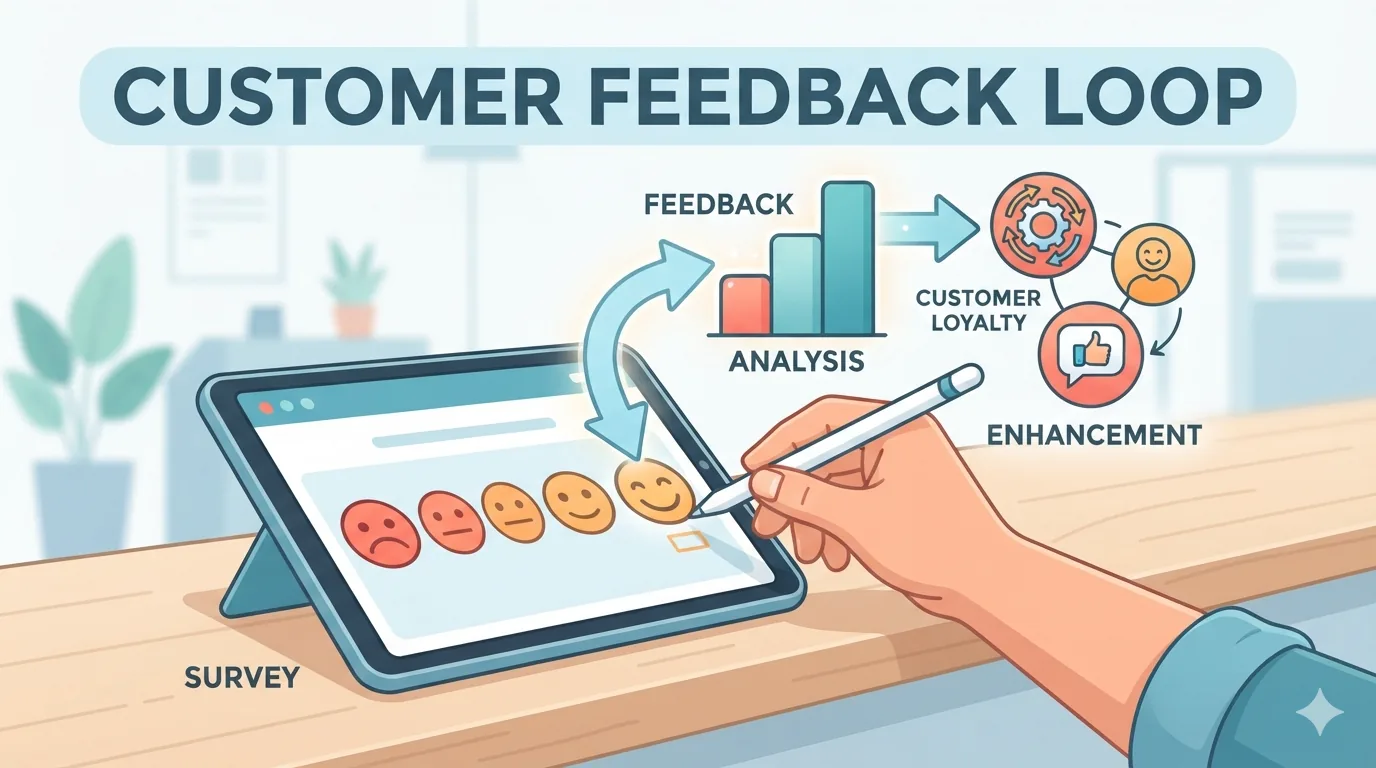
- TQM differs from traditional Quality Control by preventing defects before they reach the customer, rather than catching them afterward.
- A practical checklist can help organizations verify whether their TQM approach is genuinely customer-focused or only nominally so.
What Is Total Quality Management (TQM)?
Total Quality Management is a management philosophy in which every function, process, and employee in an organization is oriented toward meeting customer requirements and continuously improving how those requirements are met. Unlike quality approaches that isolate quality to a single department, TQM treats quality as a company-wide responsibility.
TQM developed out of post-World War II quality movements, shaped significantly by thinkers such as W. Edwards Deming, Joseph Juran, and Kaoru Ishikawa, who each emphasized different ways that organizations could systematically reduce variation and better serve the people who use their products and services. Over time, these ideas evolved from purely statistical process control into a broader philosophy that placed the customer’s experience at the center of every quality decision.
Customer needs sit at the center of the TQM model because quality itself is defined by the customer, not by internal specifications alone. A product can meet every internal engineering tolerance and still fail if it does not solve the customer’s actual problem. TQM exists to close that gap.
The Core Principles That Link TQM to Customer Needs
Several principles work together to keep customer needs central to TQM, rather than treating “customer focus” as a slogan.
Customer focus as the first principle: TQM frameworks consistently list customer focus as the starting point, meaning every process decision is evaluated by asking whether it improves the outcome for the end user.

Continuous improvement driven by customer feedback: Ongoing, incremental improvement, often referred to as Kaizen, uses customer feedback as one of its primary inputs, so that processes evolve in response to real experience rather than internal assumptions.
Employee involvement and its effect on customer experience: Because frontline employees are often the ones interacting with customers directly, their involvement in identifying and solving quality issues has a direct effect on the customer experience.
Process-centered thinking and customer value: TQM emphasizes managing and improving the processes that create a product or service, rather than only inspecting the finished output, because a well-designed process delivers consistent customer value by default.
How TQM Identifies and Measures Customer Needs
TQM relies on specific methods to translate customer expectations into something an organization can act on.
Voice of the Customer (VOC) methods systematically capture what customers want, need, and expect, using direct input rather than internal guesswork.
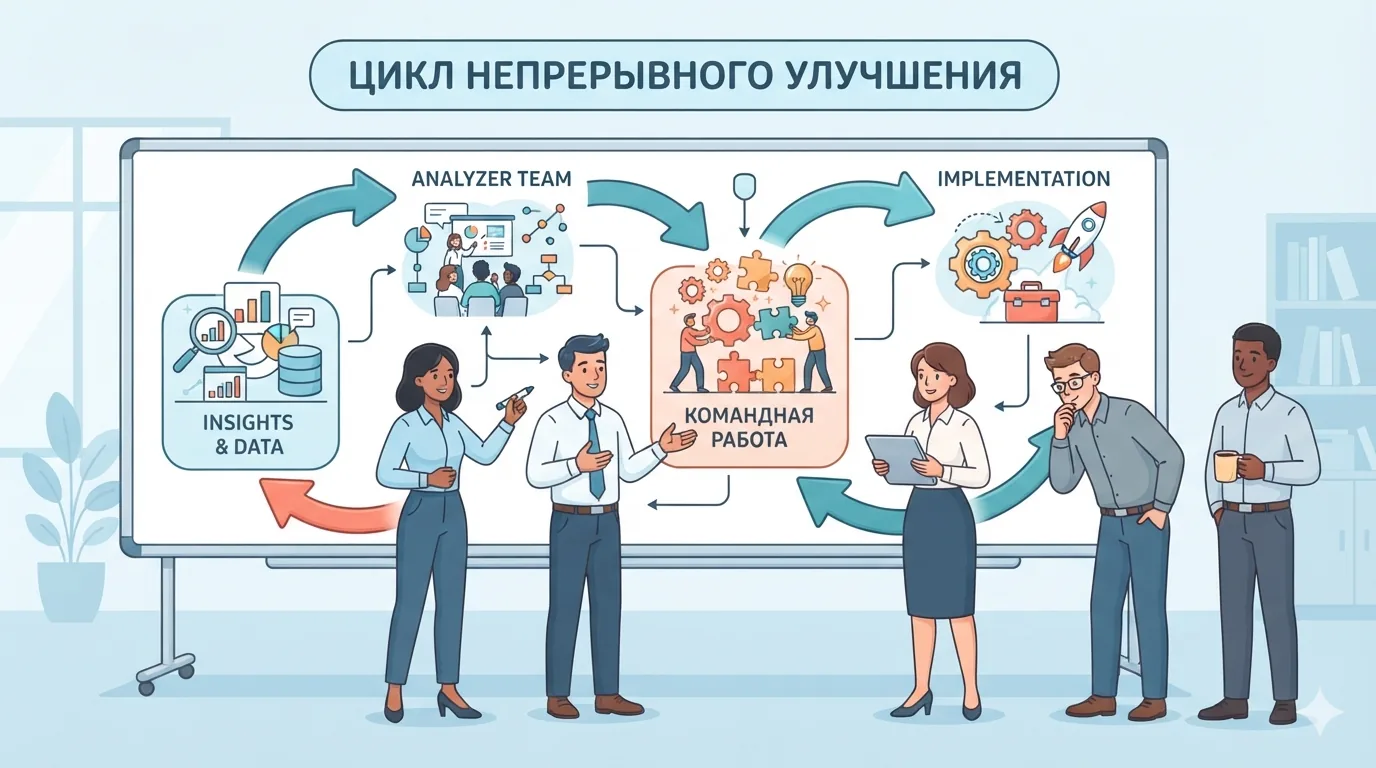
Customer satisfaction surveys and feedback loops provide ongoing, structured data about how well current processes are meeting expectations, and feed that data back into improvement cycles.
Quality Function Deployment (QFD) is a method for translating customer requirements into specific technical and process specifications, helping ensure that what gets built actually reflects what the customer asked for.
Turning customer expectations into measurable quality standards means converting qualitative feedback, such as “the product feels unreliable,” into concrete, trackable specifications that teams can design and test against.
TQM vs Traditional Quality Control: Comparison of Customer-Focus Criteria
The table below compares how traditional Quality Control (QC) and TQM approach customer needs across five distinct criteria.
| Criteria | Traditional QC | TQM |
|---|---|---|
| Focus area | Detecting defects at the end of the production line | Preventing defects throughout the entire process |
| Feedback timing | After production, often after the customer has received the product | Continuous, incorporated throughout design and production |
| Responsibility | Assigned mainly to a dedicated inspection or QC department | Shared across all employees and departments |
| Improvement approach | Corrective, addressing issues after they occur | Preventive and continuous, addressing root causes |
| Customer role | Passive recipient of a finished, inspected product | Active input source shaping ongoing process design |
TQM vs Other Quality Frameworks (Six Sigma, ISO 9001) on Customer Orientation
TQM is often discussed alongside Six Sigma and ISO 9001, since organizations frequently combine elements of all three rather than choosing only one.
| Criteria | TQM | Six Sigma | ISO 9001 |
|---|---|---|---|
| Primary goal | Company-wide customer-centered quality culture | Reducing process variation and defects using data | Standardized, certifiable quality management system |
| Customer input mechanism | Voice of the Customer, surveys, feedback loops | Customer requirements defined as project targets (CTQs) | Documented customer satisfaction monitoring requirement |
| Scope | Organization-wide philosophy | Project-based, often applied to specific processes | Certifiable management system covering defined processes |
| Measurement style | Broad, cultural, and continuous | Statistical, defect-rate driven | Audit-based conformance to documented standards |
These frameworks are not mutually exclusive. Many organizations use ISO 9001 for structure, Six Sigma for statistical rigor on specific projects, and TQM principles to keep the overall culture oriented toward the customer.
Key Customer-Focused Tools Used in TQM
Beyond broad principles, TQM relies on specific tools to keep customer needs actionable.
🛒 Recommended Product
Customer feedback systems: structured channels, such as surveys, support tickets, and review analysis, that continuously capture customer input.
Root cause analysis for customer complaints: a method for tracing a customer complaint back to its underlying process failure, rather than only fixing the immediate symptom.
Service quality benchmarking: comparing an organization’s service outcomes against defined standards or peer performance to identify gaps affecting the customer.
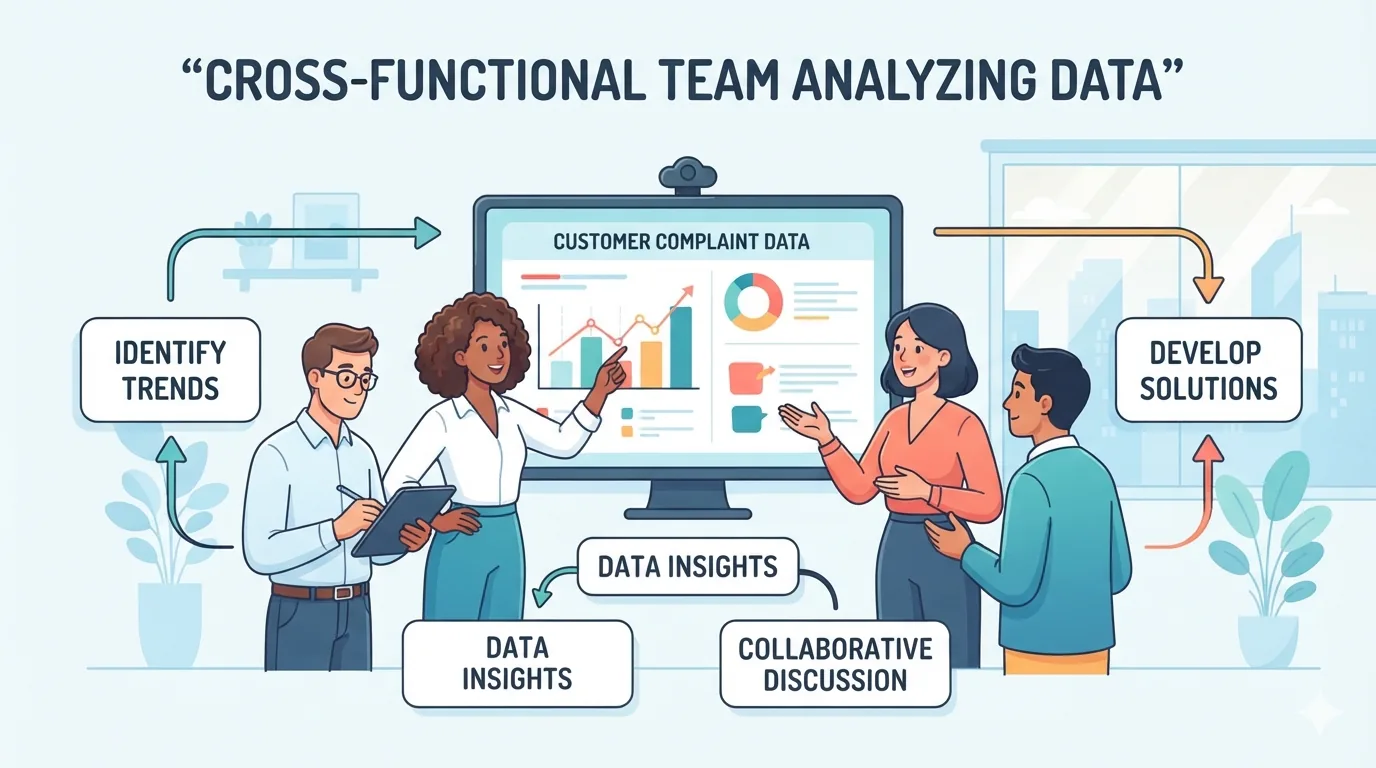
Cross-functional customer response teams: teams that pull members from multiple departments to address customer issues that span more than one function, avoiding the delays caused by siloed responsibility.
Checklist: Is Your Organization’s TQM Approach Truly Customer-Focused?
Use the following checklist to evaluate whether a TQM program is genuinely customer-focused or only focused on internal metrics.
- Leadership regularly reviews customer feedback data as part of strategic decision-making, not only during annual reviews.
- Employee training programs explicitly connect specific job tasks to customer outcomes, not just internal compliance steps.
- A defined maximum feedback-to-action turnaround time exists and is tracked, rather than left unmeasured.
- Customer satisfaction targets are specific and measurable, not phrased as vague goals like “improve satisfaction.”
- Root cause analysis is applied to recurring complaints, rather than repeatedly issuing the same short-term fix.
- Cross-functional teams are activated for customer issues that cross departmental boundaries.
Common Mistakes That Weaken Customer Focus in TQM
Treating customer feedback as optional: collecting feedback but not building a process to act on it removes the core value of Voice of the Customer methods.
Disconnected departments and inconsistent customer experience: when departments manage quality independently without shared standards, customers experience inconsistent service depending on which team they interact with.
Focusing on internal metrics over customer outcomes: optimizing for internal efficiency numbers, such as production speed, without checking whether those numbers correlate with customer satisfaction, can quietly erode the customer-focused intent of TQM.
Real-World Example of Customer-Focused TQM in Action
Consider a mid-sized manufacturer that begins receiving a cluster of complaints about a recurring product defect. Under a traditional QC-only approach, each unit would be inspected, defective units replaced, and the complaint closed. Under a customer-focused TQM approach, the complaints are instead routed to a cross-functional team that includes production, design, and customer service staff.
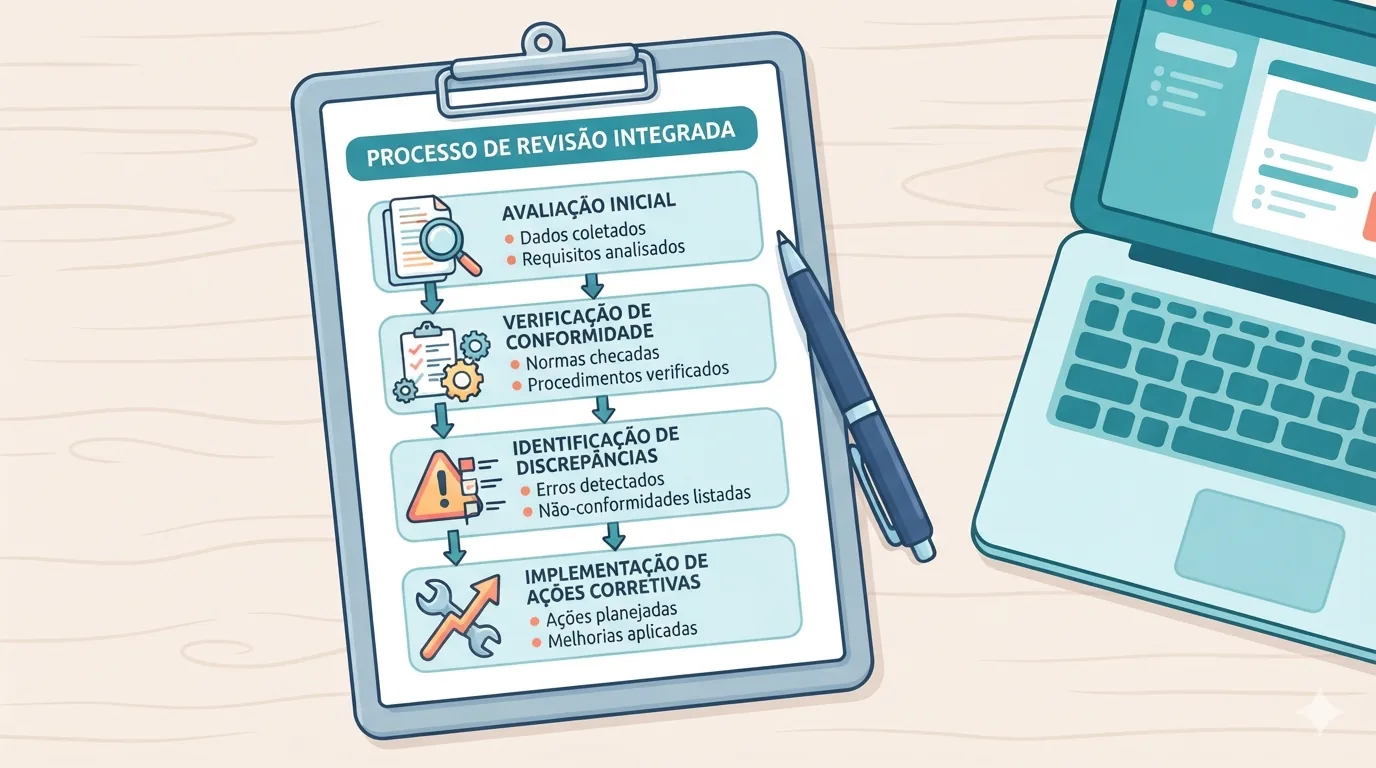
The team performs root cause analysis and traces the defect to a specific step in the assembly process rather than a one-off error. The process is redesigned, employees involved in that step are retrained, and the change is verified using follow-up customer feedback rather than only internal inspection results. The result is a process improvement that prevents the defect from recurring, rather than a cycle of repeated replacements.
Frequently Asked Questions
What is the main goal of TQM regarding customers?
The main goal is to make customer needs the standard by which quality is defined and measured, so that every process improvement is ultimately judged by its effect on the customer.
How does TQM differ from customer service alone?
Customer service typically addresses individual interactions after an issue arises, while TQM focuses on redesigning underlying processes so that the same issue is less likely to occur again.
What tools help measure customer satisfaction in TQM?
Common tools include Voice of the Customer methods, satisfaction surveys, feedback loops, and Quality Function Deployment, which translates feedback into measurable specifications.
How can a small business start applying customer-focused TQM?
A small business can start by creating a simple, consistent feedback channel, tracking recurring complaints, and involving frontline employees in identifying and fixing root causes rather than only handling symptoms.
Is TQM still relevant today with newer frameworks like Six Sigma?
TQM remains relevant as a cultural foundation, and many organizations combine it with frameworks like Six Sigma or ISO 9001, using TQM for company-wide customer orientation and the others for statistical rigor or certification structure.
Conclusion and Next Steps
Customer focus is not one feature of TQM among many; it is the foundation that the other principles, tools, and improvement cycles are built to support. An organization that measures customer needs, acts on feedback through defined processes, and involves employees across functions is applying TQM in the way it was intended, rather than treating it as an internal compliance exercise.
As a next step, use the checklist in this guide to evaluate one current process against these customer-focused criteria, and identify a single gap to address first.
- General quality management principles as commonly described in TQM literature and standard business education sources.
- ISO 9001 quality management system overview as commonly described in standard quality management references.
Want more comparisons and buying guides?