⚠️ This page connects you to Atovia’s partners and affiliate markets. We may receive a commission from affiliate partners for activities made through these links. Discount offers may change at any time according to policy! Rest assured, there are no additional costs to you! We hope this saves you time in finding the right items!
Rainy season driving often feels routine—until a deep puddle, sudden downpour, or flooded parking lot turns into a costly problem. If your car is part of your daily life, a few proactive checks and the right flood response can save days of downtime and thousands in repair bills.

Why Rainy Season Car Care Matters
Rainy season car maintenance is less about comfort and more about traction, visibility, and preventing water intrusion. Most monsoon-related failures happen in predictable areas:
- Reduced grip: worn tires and uneven tread depth increase hydroplaning risk.
- Longer stopping distances: wet rotors, aged pads, and moisture-contaminated brake fluid reduce braking consistency.
- Electrical vulnerabilities: battery terminals, alternator connections, and ground points corrode faster in high humidity.
- Cabin moisture and mold: clogged drains and worn door seals allow water to collect under carpets and insulation.
- Flood exposure: once water reaches sensitive components, the focus shifts from maintenance to damage control.
A practical mindset helps: prevent water entry and maintain stable control in wet conditions. If flooding occurs, the priority is to avoid turning a wet car into an electrical or engine disaster. (Source: Ministry of Land, Infrastructure and Transport, 2024)
Pre-Monsoon Vehicle Inspection Checklist
Use this as a quick rainy season car maintenance checklist. It prioritizes components that fail quietly—then fail loudly during heavy rain.
1) Tires and alignment
- Check tread depth and uneven wear; replace tires if traction feels compromised on wet pavement.
- Verify tire pressure more frequently, as temperature changes and rain-ready loads affect handling.
- Confirm wheel alignment if the car pulls or steering feels vague; wet roads amplify instability.
2) Brakes and brake fluid
- Inspect pads and rotors for remaining life; wet braking exposes marginal components.
- Brake fluid absorbs moisture over time; old fluid can reduce braking feel under repeated stops.
🛒 Recommended Product
3) Wipers, washer fluid, and defogging
- Replace streaking or chattering wiper blades; visibility is a core safety system.
- Top up washer fluid and ensure spray nozzles are clear.
- Test front and rear defoggers; weak defogging becomes dangerous during sudden humidity spikes.
4) Battery and key electrical points
- Clean battery terminals and ensure tight connections.
- Watch for slow cranking or repeated warning lights after rain—early signs of moisture-related electrical issues.
5) Door seals, cabin filter, and drainage paths
- Inspect door and trunk weatherstrips; damaged seals allow water into the cabin.
- Replace a musty cabin air filter; it accelerates fogging and mold growth.
- Clear drains such as sunroof drains, the cowl area near the windshield, and other water channels if equipped.
- Tires and wipers are the fastest safety upgrades for heavy rain driving.
- Brake condition and fluid determine wet stopping consistency.
- Drain paths and seals prevent hidden cabin flooding and mold.
- If flooding occurs, do not restart the engine until safety checks are complete.
For model-specific service intervals (wipers, brake fluid, filters), follow your manufacturer’s maintenance guidelines. (Source: Hyundai Motor Company, 2023)
Driving Safely on Flooded Roads
If you’ve ever wondered how deep is “too deep,” you’re not alone. In heavy rain, the safest decision is often the simplest one: avoid water that hides the road surface.
- If you can’t see lane markings, curbs, or road edges, treat the area as impassable.
- Moving water is more dangerous than standing water; it can shift tires and reduce steering control.
- A single wave can reach the air intake depending on vehicle design, risking severe engine damage.

Rain driving habits that reduce risk
- Slow down early: hydroplaning risk increases with speed, worn tread, and standing water.
- Increase following distance: wet roads require more stopping room than expected.
- Avoid sudden steering inputs: smooth corrections keep the tire contact patch stable.
- After crossing shallow water, gently apply brakes at low speed to help dry the rotors when safe.
- Use fresh air with A/C for defogging: it dries cabin air more effectively than recirculation alone.
When planning routes, choose higher ground and main roads with better drainage, and avoid underpasses during peak rainfall. Road safety guidance from transport authorities consistently emphasizes reduced speed and avoiding flooded routes. (Source: Ministry of Land, Infrastructure and Transport, 2024)
What to Do If Your Car Is Flooded
Flooded car response hinges on the first decision: do not attempt to restart the engine if there is any chance water entered the intake or electrical system. Restarting can turn manageable water exposure into major damage.
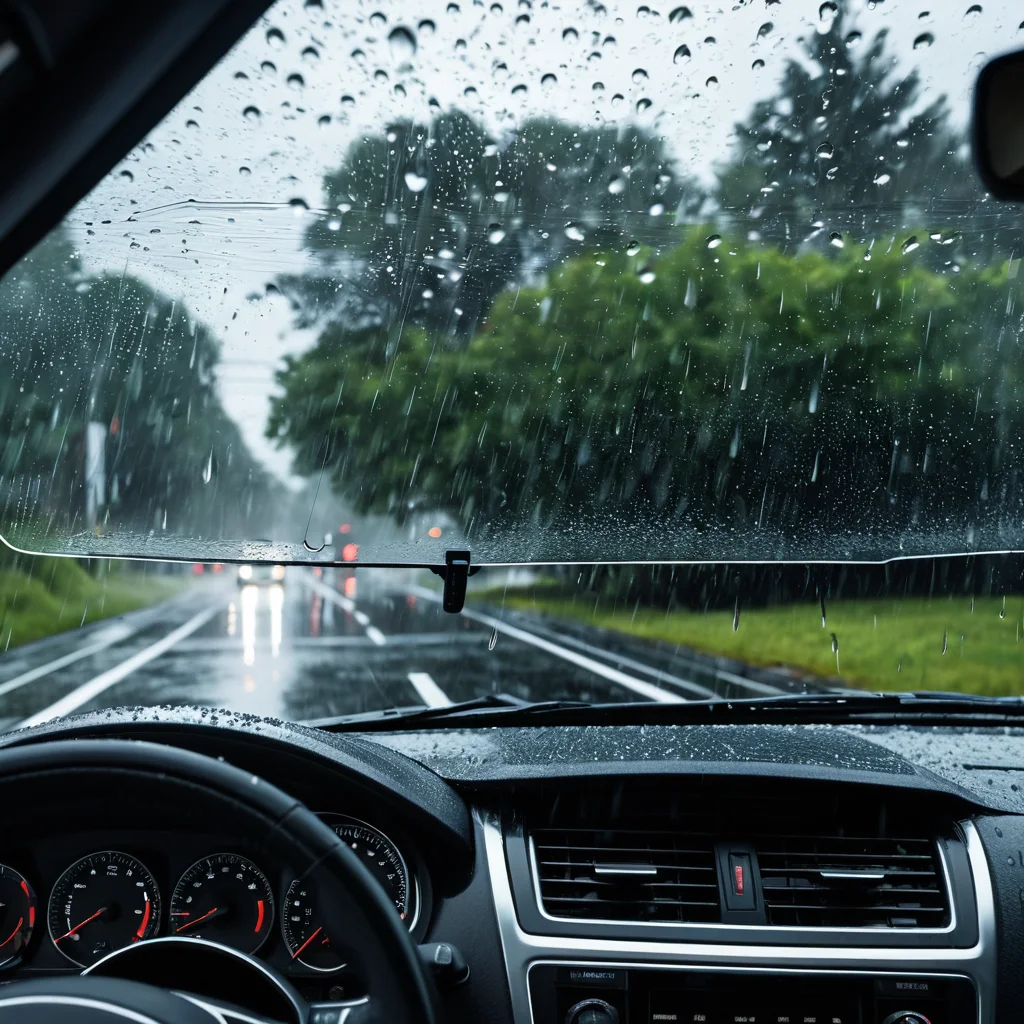
Step-by-step flooded car response
- Prioritize safety: move to a safe area away from flowing water and traffic.
- Do not restart: if the engine stalled in water or water reached the lower cabin, assume intrusion.
- Document immediately: photograph or record water level, location, time, and warning lights.
- Disconnect power if safe: disconnect the negative battery terminal to reduce electrical short risk.
- Arrange towing: towing to a trusted shop prevents further damage.
- Limit drying attempts: avoid powering electronics or cycling the ignition.
- Prevent mold quickly: remove standing water and begin proper drying and ventilation.
What to inspect first at the shop
- Engine and intake system: signs of water ingestion or internal contamination.
- Transmission and differential fluids: water contamination destroys lubrication.
- Electrical modules and connectors: trapped moisture causes delayed failures.
- Carpet and sound insulation: incomplete drying leads to long-term odor and mold.
Even if the vehicle runs afterward, flood exposure can cause delayed electrical problems. Thorough documentation and structured inspection are essential. Always follow manufacturer guidance for post-flood inspections, especially for hybrid and EV high-voltage systems. (Source: Toyota, 2023)
Flood Damage: Repair vs Total Loss
The hardest decision during monsoon season is choosing between repair, deep restoration, or declaring a total loss. The answer depends on water height, exposure time, contamination level, and whether critical electronics were submerged.
| Category | Repair (Partial Restoration) | Total Loss / Full Replacement |
|---|---|---|
| Typical water level | Below floor level, limited intrusion | Cabin flooded or engine bay submerged |
| Main risk | Hidden moisture, intermittent electrical faults | Severe engine/electrical damage and corrosion |
| Repair scope | Drying, fluid checks, targeted part replacement | Major mechanical, electrical, and interior overhaul |
| Decision factor | Costs are controlled and reliability is recoverable | Costs approach vehicle value or safety is uncertain |
| Time cost | Several days to a few weeks | Weeks or longer due to parts and diagnostics |
For flooded vehicles, the true cost is not just parts and labor, but future reliability, resale value, and safety confidence. If water reached major control units, seat wiring, or high-voltage components, the threshold for a total loss becomes much lower. Insurance coverage and claim requirements vary, so keep all evidence and estimates organized. (Source: Ministry of Land, Infrastructure and Transport, 2024)
Conclusion: A Simple Rainy-Season Routine
If there’s one takeaway for the season, it’s this: manage traction and visibility before the rain, and never restart after flooding. Start with tires, wipers, and brakes—these three factors determine most rainy-day outcomes.
- Weekly: check tire pressure, wiper performance, and washer fluid.
- Monthly: assess brake feel, cabin odors or fogging, and visually inspect drain paths.
- After heavy rain: check floor mats for dampness and watch for unusual electrical behavior.
If flooding occurs, don’t gamble on a restart. Towing and a professional inspection often cost far less than a single mistake made in panic.
Need more information?