⚠️ This page connects you to Atovia’s partners and affiliate markets. We may receive a commission from affiliate partners for activities made through these links. Discount offers may change at any time according to policy! Rest assured, there are no additional costs to you! We hope this saves you time in finding the right items!
Overview of Chinese History and Dynasties
The history of China has developed over thousands of years, with various dynasties rising and falling in turn. These dynasties played a crucial role in shaping China’s political, social, and cultural foundation. The concept of a dynasty in China represents more than just a political system under a ruler; each dynasty has its own unique characteristics and achievements.
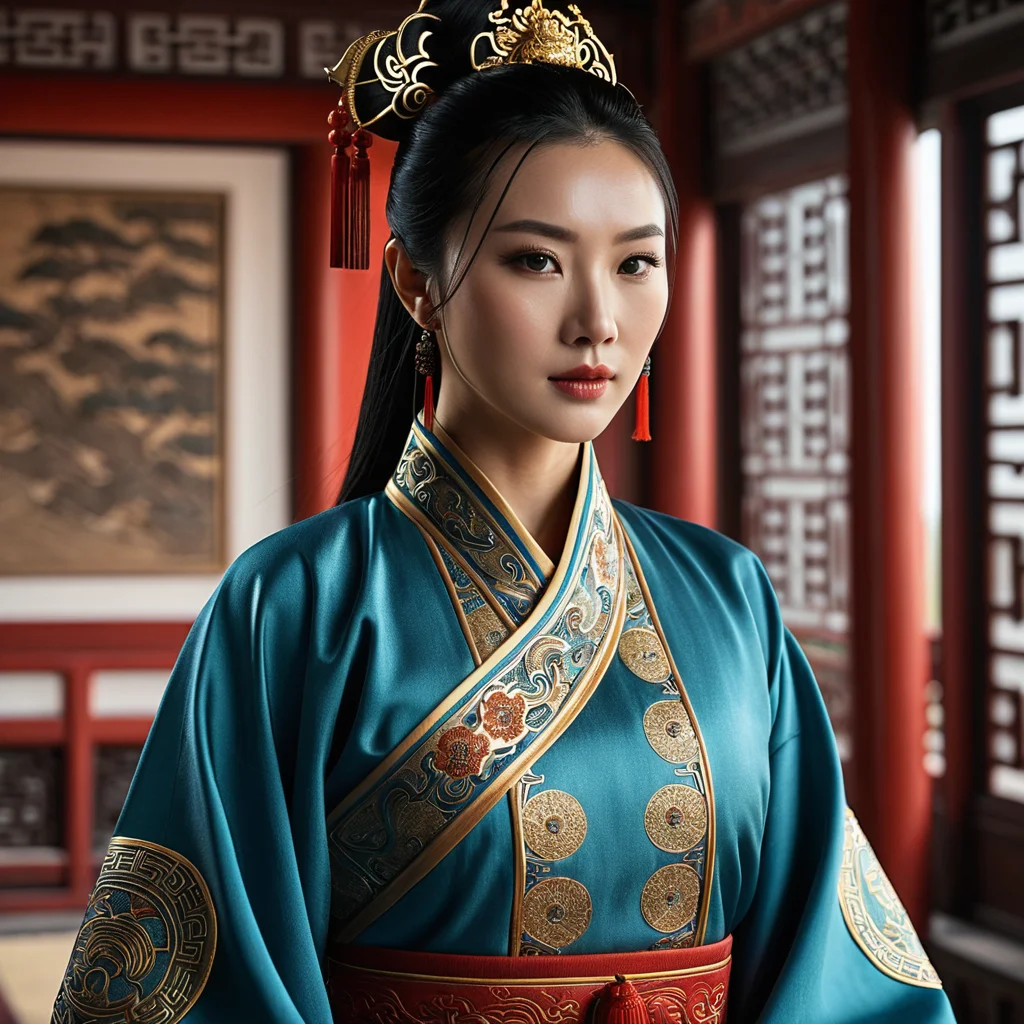
The term “dynasty” refers to a political system governed by a king, and in Chinese history, dynasties reflect the nation’s governing structure, political systems, and societal changes. These dynasties enabled China to play a significant role in world history.
Major Dynasties
The most important dynasties in Chinese history led the country through political power, cultural development, and military achievements. The major dynasties include:
Qin Dynasty (221-206 BCE): The first emperor of the Qin Dynasty, Qin Shi Huang, unified China and established the rule of law and centralization. His reign became a model for later dynasties, and he is famously known for constructing the Great Wall of China.

Han Dynasty (206 BCE – 220 CE): The Han Dynasty, one of the longest-lasting dynasties in Chinese history, had a profound influence on territorial expansion and cultural development. Emperor Wu of Han opened the Silk Road and strengthened China’s international standing.
Tang Dynasty (618-907 CE): The Tang Dynasty was one of the most prosperous periods in Chinese history, marked by active international trade and cultural exchange. Tang-era literature and art continue to influence Chinese culture today.
🛒 Recommended Product
Song Dynasty (960-1279 CE): The Song Dynasty saw remarkable advancements in commerce and technology. Innovations such as printing, gunpowder, and the compass contributed to China’s economic prosperity and global influence.
Qing Dynasty (1644-1912 CE): The Qing Dynasty unified China and achieved political stability. However, conflicts with Western powers influenced China’s modernization, and the dynasty collapsed in 1912.
Characteristics and Contributions of Each Dynasty
Each dynasty had its own unique political and cultural characteristics, through which China experienced various transformations.

Qin Dynasty: Though short-lived, the centralizing rule of Qin Shi Huang greatly impacted China’s political system. The construction of roads, the Grand Canal, and the expansion of the Great Wall contributed to China’s development.
Han Dynasty: The Han Dynasty led China through its golden age of culture, with Confucianism becoming the state ideology. This era saw the flourishing of literature, art, and science. The Silk Road opened a vital trade route connecting the East and West.
Tang Dynasty: The Tang Dynasty’s culture reached its peak, with significant achievements in poetry, painting, and music. International exchanges flourished, and China became a central hub of global culture and economy.
Song Dynasty: The Song Dynasty focused on economic development, especially in commerce and trade. Inventions like printing, gunpowder, and the compass had a lasting impact on global history. The economic boom during the Song Dynasty enriched China.
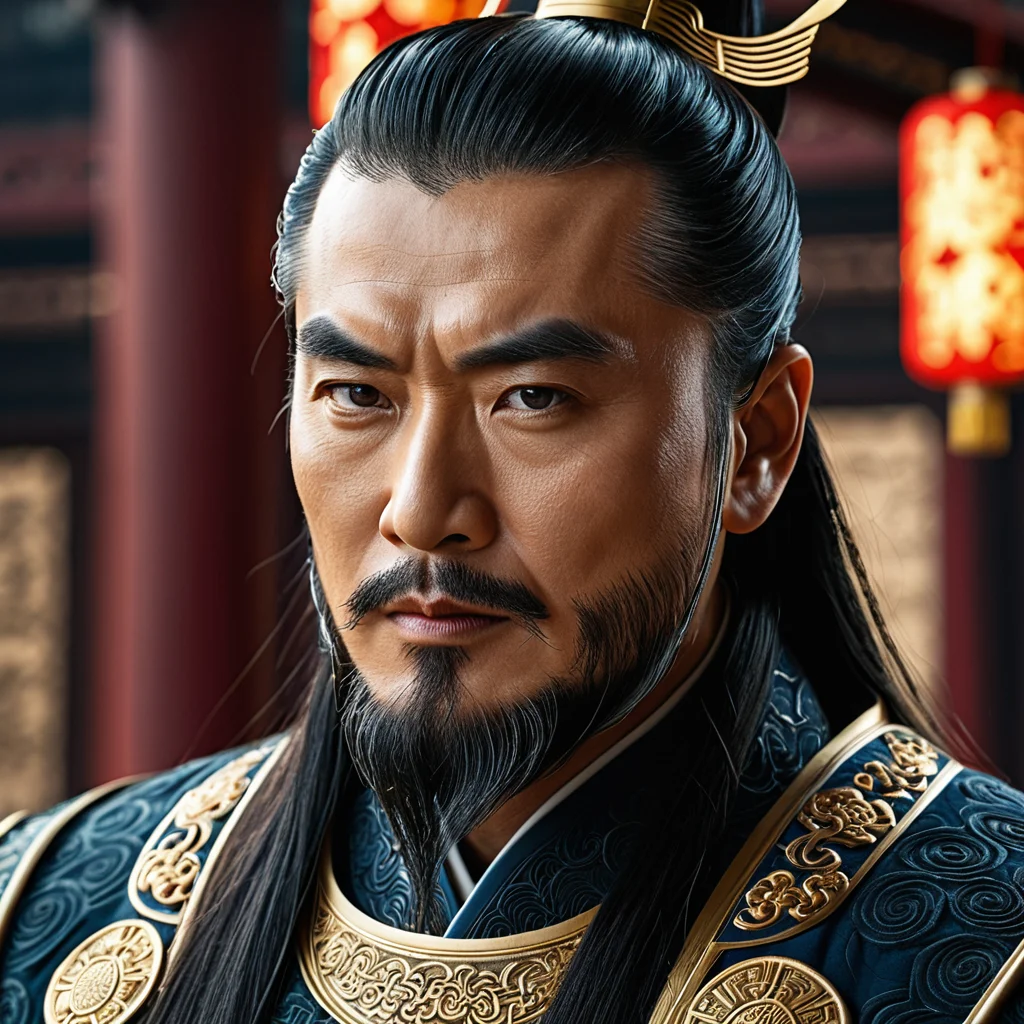
Qing Dynasty: The later years of the Qing Dynasty saw the clash with imperialism during the wave of modernization, leading to China’s transformation and conflicts with the West.
- Each dynasty played a key role in shaping China’s political and cultural foundation.
- The Qin and Han Dynasties were pivotal in China’s unification and cultural development.
- The Tang and Song Dynasties drove cultural prosperity and economic growth.
- The Qing Dynasty marked China’s path to modernization amidst international changes.
Dynastic Changes and Transition Periods
Chinese dynasties underwent continuous changes due to external invasions, internal turmoil, and revolutionary shifts. For example, the fall of the Han Dynasty was triggered by internal strife and external invasions. Subsequently, new dynasties unified China and carried the country forward.
Internal Conflicts: Internal conflicts, such as disputes over succession or civil wars, were key factors leading to dynastic changes. For example, the collapse of the Later Han Dynasty was due to political chaos and internal rebellions.
External Invasions: China faced multiple invasions throughout history. The Mongol invasion led to the fall of the Song Dynasty, while the Manchu invasion established the Qing Dynasty.
The Legacy of Dynasties in Chinese History
Each dynasty has left a lasting impact on Chinese society. The centralizing system of the Qin Dynasty and the Great Wall helped establish China’s national identity. The Han Dynasty’s embrace of Confucianism laid the foundation for Chinese culture. The Tang and Song Dynasties drove China’s cultural and economic growth. The collapse of the Qing Dynasty marked the beginning of China’s modernization, leading to the political and social transformations seen in modern China.
Conclusion
Each Chinese dynasty contributed uniquely to the country’s history and culture. The development and changes in these dynasties are key to understanding modern China. To gain a deeper understanding of China’s history, it is important to study the characteristics of each dynasty.
Need more information?