⚠️ This page connects you to Atovia’s partners and affiliate markets. We may receive a commission from affiliate partners for activities made through these links. Discount offers may change at any time according to policy! Rest assured, there are no additional costs to you! We hope this saves you time in finding the right items!
Electric vehicles are transforming how Americans buy and drive cars — but knowing exactly what to inspect before signing the dotted line can save you thousands of dollars and years of frustration. Whether you are shopping for your first EV or upgrading to a newer model, these 7 essential checks will help you buy with confidence.
- Always request a battery State of Health (SoH) diagnostic before purchasing any EV.
- EPA range ratings often overestimate real-world driving distance by 10–20%.
- Home Level 2 charger installation can add $500–$2,000 or more to your upfront costs.
- Federal tax credits up to $7,500 are available but subject to income and vehicle price caps.
- EVs typically save $4,000–$9,000 over five years compared to equivalent gas vehicles.
- Battery warranties are federally mandated at a minimum of 8 years or 100,000 miles.
- Software update frequency and long-term tech support directly affect your vehicle’s lasting value.
1. Battery Health and Degradation
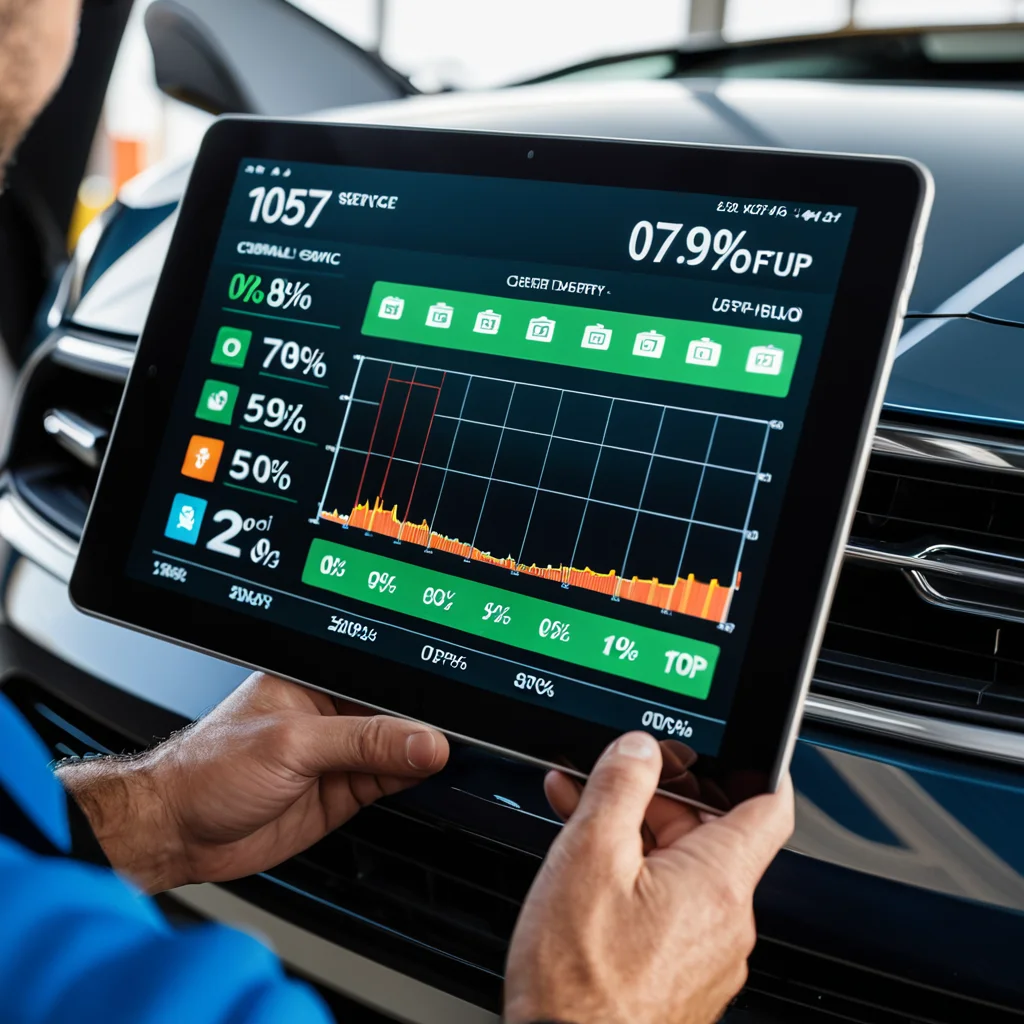
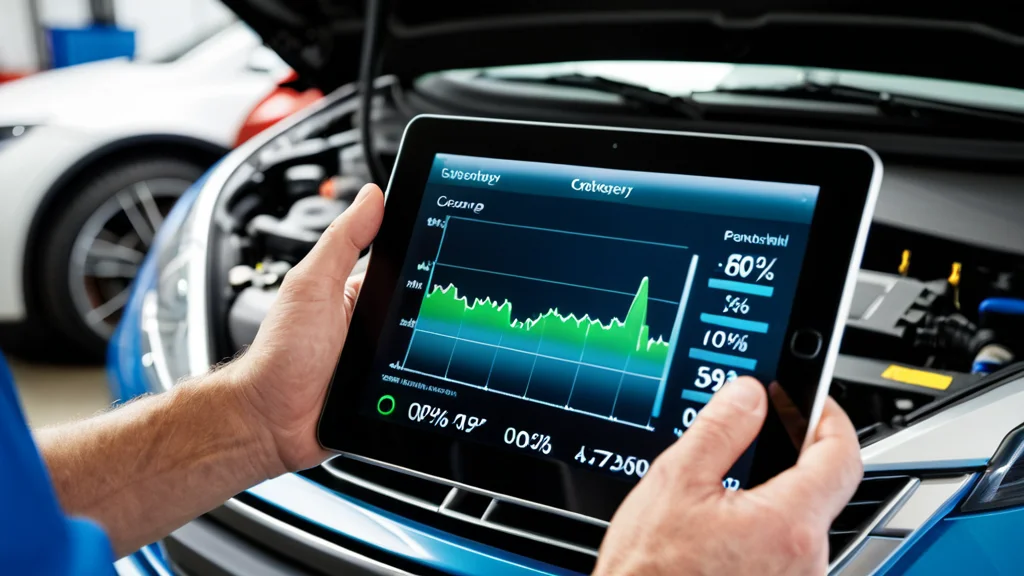
The battery pack is the heart of any electric vehicle — and its most expensive component, often representing 30–50% of the car’s total value. Before purchasing any EV, especially a used one, always request a battery health report or State of Health (SoH) diagnostic from the dealer or a certified technician.
Most modern EVs allow dealerships and certified mechanics to pull a detailed report showing current battery capacity compared to the original factory rating. A healthy battery should retain at least 80% of its original capacity after 100,000 miles. Anything below 70% is a serious red flag and may indicate a costly replacement in your near future.
For used EVs, ask specifically: What percentage of original battery capacity remains? Has the battery ever been replaced or serviced under warranty? Are there any active battery-related fault codes currently stored in the vehicle’s system?
Tesla vehicles display degradation data directly through their onboard software. A Nissan LEAF may require a dealer scan or the LeafSpy diagnostic app to check capacity bar health. No matter the brand, always get this data in writing before you commit.
| Battery Health Level | State of Health (SoH) | Buyer Recommendation |
|---|---|---|
| Excellent | 90–100% | Buy with confidence |
| Good | 80–89% | Acceptable — negotiate price accordingly |
| Fair | 70–79% | Proceed with caution — factor in future costs |
| Poor | Below 70% | Avoid or require significant price reduction |
2. Real-World Range vs. EPA Rating
The EPA range estimate printed on the window sticker is measured under controlled laboratory conditions — not the real-world mix of highway merging, air conditioning use, cold winters, and stop-and-go traffic you will actually face. In practice, many EVs deliver 10–20% less range than their EPA number, and in extreme cold, the gap can be even larger.
Cold weather is one of the most significant range reducers. Lithium-ion batteries lose efficiency when temperatures drop below 40°F, and some EVs lose up to 40% of their rated range in extreme winter conditions. Highway driving at 75–80 mph, heavy climate control use, and full passenger and cargo loads all compound this effect.
Before buying, research owner-reported range data from communities like PlugShare, consult Edmunds real-world range tests, or browse the EPA’s own fueleconomy.gov database. Always look for data collected in conditions similar to your own driving climate and typical commute patterns.
| Vehicle | EPA Rated Range | Real-World Estimated Range |
|---|---|---|
| Tesla Model 3 Long Range | 358 miles | 290–320 miles |
| Chevrolet Equinox EV | 319 miles | 260–290 miles |
| Ford Mustang Mach-E | 312 miles | 255–285 miles |
| Hyundai IONIQ 6 | 361 miles | 300–330 miles |
3. Charging Compatibility and Home Setup Costs
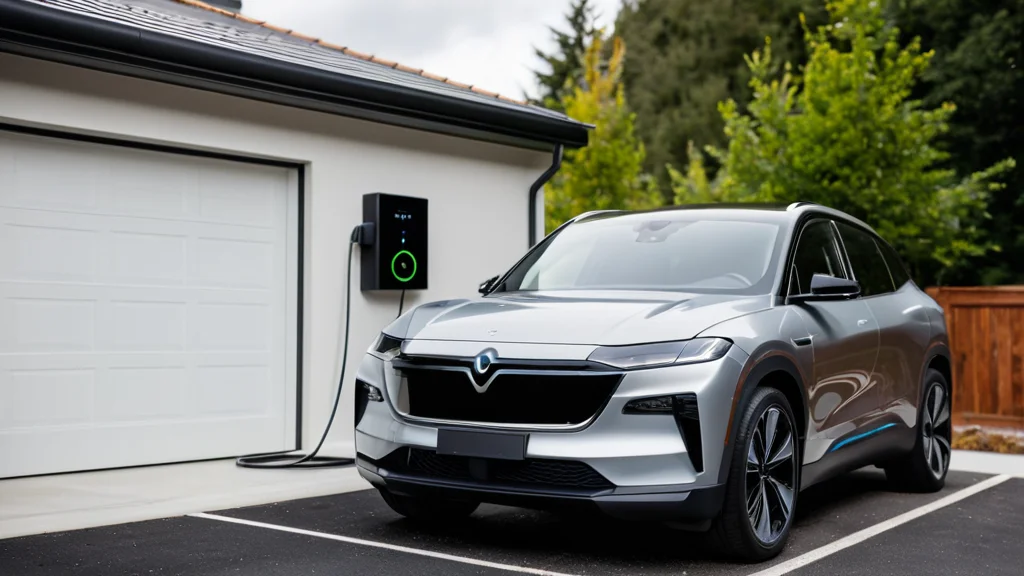
One of the most commonly overlooked costs in EV ownership is setting up home charging. While any EV can technically charge from a standard 120V household outlet — known as Level 1 charging — the rate is extremely slow, adding only 3–5 miles of range per hour. For most drivers, a Level 2 (240V) home charger is a practical necessity.
Before purchasing, evaluate your home’s electrical panel capacity. If it lacks room for a 240V, 50-amp dedicated circuit, a panel upgrade can cost $1,500–$4,000. A quality Level 2 EVSE (Electric Vehicle Supply Equipment) unit typically runs $300–$800, and professional electrician installation adds another $200–$1,000 depending on your home’s layout and local labor rates.
Charging network compatibility is equally important for public charging. Confirm whether your vehicle uses CCS, CHAdeMO, or NACS — Tesla’s connector that has now become the US industry standard. Most new EVs from major manufacturers are transitioning to NACS. Also check whether your local utility company offers rebates on Level 2 charger installation, as many US utilities provide $200–$500 back to qualifying customers.
| Charging Level | Power Source | Miles Added Per Hour |
|---|---|---|
| Level 1 | 120V standard outlet | 3–5 miles |
| Level 2 | 240V dedicated circuit | 20–35 miles |
| DC Fast Charge | Public charging station | 100–200+ miles (per 30 min) |
🛒 Recommended Product
4. Warranty Coverage and Battery Guarantee
Federal law requires all EV manufacturers to provide a minimum 8-year or 100,000-mile warranty on the battery pack for vehicles sold in the United States. However, the specific coverage terms vary significantly from brand to brand, and understanding what is and is not covered can mean the difference between a stress-free ownership experience and an expensive surprise.
The most critical question is whether the warranty guarantees a minimum capacity retention threshold — typically 70% — and will replace the battery if it drops below that level. Some brands specify this clearly; others do not. Also confirm whether the battery warranty is transferable to a second owner, which has a direct impact on your vehicle’s resale value.
Beyond the battery, check the bumper-to-bumper warranty duration for non-battery components, and research whether the manufacturer maintains a strong and accessible US dealer service network in your region. A great warranty means little if service centers are hard to reach.
| Brand | Battery Warranty | Capacity Retention Guarantee |
|---|---|---|
| Tesla | 8 yr / 100K–150K mi (varies by model) | 70% retention guaranteed |
| Hyundai / Kia | 10 yr / 100K mi | 70% retention guaranteed |
| Ford | 8 yr / 100K mi | Not explicitly stated |
| GM (Chevy / GMC) | 8 yr / 100K mi | Not explicitly stated |

5. Software Updates and Technology Longevity
Modern EVs are essentially computers on wheels, and the software ecosystem matters far more than most buyers anticipate. Over-the-air (OTA) software updates can add new features, improve driving range efficiency, enhance safety systems, and fix bugs — without ever requiring a service appointment. But not all manufacturers deliver these updates with equal consistency or long-term commitment.
When evaluating any EV purchase, check how frequently the manufacturer pushes OTA updates and how long they have committed to ongoing software support for that model. Determine whether the infotainment system is built on a proprietary platform or a widely supported OS like Android Automotive. Ask whether navigation, charging network integration, and trip planning are native features or dependent on phone mirroring.
Also be aware of subscription-gated features — some manufacturers lock capabilities like heated seats, enhanced autopilot, or performance boosts behind recurring monthly or annual fees. Factor these potential costs into your total ownership budget. A vehicle that feels feature-rich today can feel outdated within three years if the software support pipeline is weak.
6. Federal Tax Credits and State Incentives
The Inflation Reduction Act significantly restructured EV tax incentives, but eligibility rules are complex and not every buyer or vehicle qualifies. Understanding the credit landscape before you shop — not after — could save you up to $7,500 on a new EV or $4,000 on a qualifying used one.
For new EVs, the federal Clean Vehicle Credit offers up to $7,500, but vehicles must fall under MSRP caps of $55,000 for sedans and hatchbacks, or $80,000 for SUVs, trucks, and vans. Buyer income limits apply: $150,000 for single filers, $225,000 for heads of household, and $300,000 for married couples filing jointly. A portion of the credit also depends on where battery components and critical minerals are sourced — requirements that change periodically.
For used EVs, a separate credit offers up to $4,000 (30% of sale price) on vehicles priced at $25,000 or less, with lower income thresholds. Beyond federal credits, most US states stack additional incentives on top. California, Colorado, and New York offer particularly strong state-level rebates. Always verify current eligibility at fueleconomy.gov or the IRS official guidance portal, as qualifying vehicle lists are updated frequently.
| Incentive Type | Maximum Amount | Key Eligibility Requirement |
|---|---|---|
| Federal New EV Credit | Up to $7,500 | MSRP and income caps apply |
| Federal Used EV Credit | Up to $4,000 | Vehicle must be $25,000 or less |
| State Rebates (varies) | $500–$5,000+ | Varies by state; stackable with federal |
| Utility Company Rebates | $200–$500 | For Level 2 charger installation |
7. Total Cost of Ownership vs. Gas Vehicles
The sticker price of an EV is frequently higher than a comparable gas-powered vehicle. But when you account for fuel savings, reduced maintenance costs, and available tax incentives over a five-year ownership window, the financial picture almost always shifts in favor of electricity for American drivers who commute regularly and can charge at home.
On fuel alone, the average American pays roughly $0.13–$0.17 per kWh for home electricity, translating to approximately $0.03–$0.05 per mile for an EV versus $0.10–$0.14 per mile for gasoline at current prices. Maintenance savings are equally significant — EVs have no oil changes, no transmission fluid, and experience far less brake wear thanks to regenerative braking. Annual maintenance costs for EVs average $400–$600 compared to $800–$1,200 for gas vehicles.
Insurance costs are comparable or slightly higher for EVs depending on brand and model. Depreciation varies widely — some EVs hold value well while others depreciate faster due to the rapid pace of technological advancement in the segment. Taken together, most EV owners save between $4,000 and $9,000 over five years relative to a comparable gas vehicle.
| Cost Category (5-Year Estimate) | Average EV | Average Gas Vehicle |
|---|---|---|
| Fuel / Energy Cost | $4,500–$6,000 | $10,000–$14,000 |
| Maintenance Cost | $2,000–$3,000 | $4,000–$6,000 |
| Federal Tax Credit (if eligible) | -$3,750–$7,500 | $0 |
| Estimated Net Savings vs. Gas | $4,000–$9,000 over 5 years | |
For most American drivers who commute regularly and have access to home charging, an EV will cost significantly less to own over time — even if the upfront purchase price is higher. Run the numbers for your specific situation using the tool below before making your final decision.